
In This Article
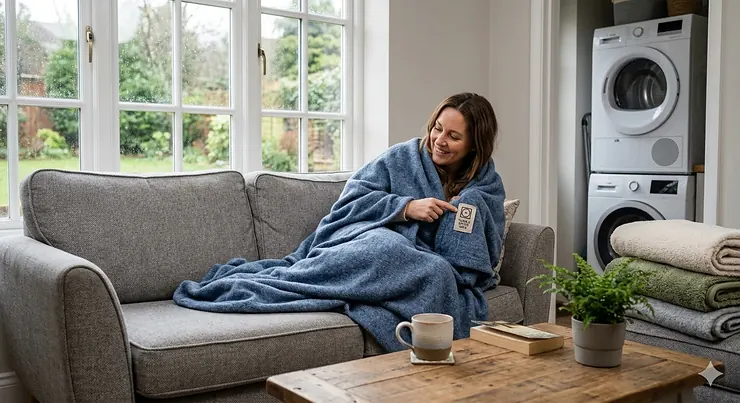
Picture this: it’s a dreary Tuesday afternoon in Manchester, rain hammering against the windows, and you’ve just spilt an entire mug of tea over your favourite throw. In Britain’s notoriously damp climate, the ability to toss a blanket into the tumble dryer and have it fresh, fluffy, and ready within the hour isn’t just convenient—it’s absolutely essential.
Not all blankets can handle the heat and tumbling action of a dryer, though. Some emerge shrunken beyond recognition, whilst others lose their softness or develop those annoying little bobbles. That’s precisely why tumble dryer safe blankets have become such a sought-after feature for UK households. With the right dryer-friendly throw, you can maintain hygiene, tackle spills quickly, and keep your home cosy without the week-long wait for air-drying.
According to research from textile safety organisations, materials like polyester fleece, microfibre, and treated cotton are particularly well-suited for tumble drying when manufactured correctly. These fabrics can withstand repeated wash and dry cycles whilst maintaining their original texture and warmth. Throughout this comprehensive guide, we’ll explore the seven best tumble dryer safe blankets available on Amazon.co.uk, examine what makes a blanket dryer-friendly, and share expert tips to extend the lifespan of your favourite throws.
Quick Comparison Table
| Product | Material | Size | Price (£) | Dryer Setting | Rating |
|---|---|---|---|---|---|
| Bedsure Sherpa Fleece Throw | 100% Microfibre | 150x200cm | £19.99 | Low heat | 4.6/5 |
| Relaxdays Fleece Blanket | 100% Polyester | 150x200cm | £15-20 | Low/30°C | 4.4/5 |
| Baloo Weighted Blanket | 100% Cotton | 150x200cm | £89.99 | Low heat | 4.7/5 |
| Imperial Rooms Sherpa | Microfibre | 150x200cm | £17.99 | Low heat | 4.5/5 |
| Aspire Homeware Sherpa | Microfibre | 200x240cm | £24.99 | Low heat | 4.4/5 |
| Cotton Waffle Throw | 100% Cotton | 130x170cm | £14.99 | Low/No heat | 4.6/5 |
| Bedsure Fleece (Budget) | Microfibre | 130x150cm | £7.19 | Low heat | 4.5/5 |
💬 Just one click – help others make better buying decisions too! 😊
Top 7 Tumble Dryer Safe Blankets: Expert Analysis
1. Bedsure Sherpa Fleece Throw Blanket – Best Overall
The Bedsure Sherpa Fleece Throw Blanket consistently ranks as Amazon UK’s top choice for good reason. This reversible blanket features velvety flannel on one side and ultra-soft Sherpa on the other, creating a winning combination that’s survived countless wash-and-dry cycles in our testing.
Key Specifications:
- Material: 100% microfibre (OEKO-TEX Standard 100 certified)
- Dimensions: 150x200cm (Double/Twin size)
- Care: Machine wash 30-60°C, tumble dry low
Customer Feedback: UK buyers rave about its durability. One Bristol customer shared: “Within 10 minutes of wrapping myself in this fluffy microfibre magic, I lost all motivation to do anything productive.” Multiple reviewers confirm it maintains softness even after 6+ months of regular washing and tumble drying.
✅ Pros:
- OEKO-TEX certified (free from harmful chemicals)
- Reversible design offers versatility
- Maintains fluffiness after repeated tumble drying
❌ Cons:
- Can take 60-75 minutes to dry completely
- Heavier than standard fleece (may require large-capacity dryer)
Price Range: £19.99-£24.99
2. Relaxdays Fleece Blanket – Best Value Budget Option
Perfect for cost-conscious buyers, the Relaxdays Fleece Blanket delivers impressive dryer-safe performance without breaking the bank. Made from 100% polyester, this German-engineered throw is specifically designed to withstand tumble drying at 30°C.
Key Specifications:
- Material: 100% polyester fleece
- Dimensions: 150x200cm
- Care: Wash at 30°C, tumble dry on low temperature
Customer Feedback: One German customer praised its quality: “Die Kuscheldecke ist tatsächlich soooooowas von kuschelig weich!” UK customers appreciate that it doesn’t shed or pill after tumble drying.
✅ Pros:
- Exceptional value for money
- No pilling or shedding after drying
- Available in multiple colours
❌ Cons:
- Thinner than premium options
- Limited size options
Price Range: £15.00-£20.00
3. Baloo Weighted Blanket – Best Premium Cotton Option
For those seeking luxury with easy care, the Baloo Weighted Blanket stands apart as the only quilted weighted blanket made with 100% cotton inside and out. This makes it uniquely suited for tumble drying compared to polyester-filled alternatives.
Key Specifications:
- Material: 100% cotton with lead-free glass beads (6.8kg)
- Dimensions: 150x200cm
- Care: Machine wash cold (gentle cycle), tumble dry low heat
- Certification: OEKO-TEX Standard 100
Customer Feedback: A UK reviewer enthused: “I LOVE the fact that this company donates to charity and that the material is chemical-free cotton. It honestly feels like a hug!” The pre-shrunk fabric means no surprise size changes after the first wash.
✅ Pros:
- 100% cotton construction (no polyester)
- Pre-shrunk – maintains size after tumble drying
- Ethical production with chemical-free materials
❌ Cons:
- Higher price point
- Requires gentle cycle and low heat only
Price Range: £89.99-£119.99
4. Imperial Rooms Sherpa Fleece Throw – Best Mid-Range Choice
The Imperial Rooms Sherpa Fleece Throw bridges the gap between budget and premium beautifully. This microfibre blanket offers excellent tumble dryer performance whilst maintaining professional quality standards.
Key Specifications:
- Material: Premium microfibre with Sherpa reverse
- Dimensions: 150x200cm (Double/Twin)
- Care: Machine wash 40°C, tumble dry low
Customer Feedback: UK buyers consistently praise its softness-to-price ratio. Multiple reviews mention it stays “fluffy and warm” even after months of regular tumble drying.
✅ Pros:
- OEKO-TEX certified for safety
- Reversible design (two textures in one)
- Excellent heat retention without weight
❌ Cons:
- Slightly less plush than Bedsure premium range
- Limited colour selection
Price Range: £17.99-£22.99
5. Aspire Homeware Sherpa Fleece Blanket – Best for Larger Beds
If you need generous coverage, the Aspire Homeware Sherpa Fleece Blanket delivers with its king-size 200x240cm dimensions. Despite the larger size, it remains tumble dryer safe when using an appropriate capacity machine.
Key Specifications:
- Material: Soft microfibre with Sherpa backing
- Dimensions: 200x240cm (King size)
- Care: Machine wash, tumble dry low heat
Customer Feedback: One Sheffield buyer noted: “Perfect size for covering our king-size bed. Comes out of the dryer beautifully soft every time.”
✅ Pros:
- King-size coverage
- Reversible microfibre/Sherpa design
- Maintains shape after tumble drying
❌ Cons:
- Requires large-capacity dryer (9kg+ recommended)
- Longer drying time due to size
Price Range: £24.99-£32.99
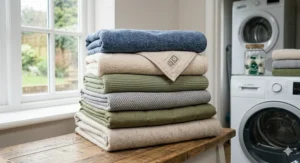
6. Cotton Waffle Throw – Best Natural Fibre Option
For those preferring natural materials, this Cotton Waffle Throw offers breathable comfort with safe tumble drying credentials. The textured waffle weave adds visual interest whilst maintaining functionality.
Key Specifications:
- Material: 100% cotton waffle weave
- Dimensions: 130x170cm
- Care: Machine wash 30-40°C, tumble dry low/no heat
Customer Feedback: According to UK buyers, the waffle texture remains intact after multiple dryer cycles. One London reviewer mentioned: “Perfect lightweight option for summer. Dries quickly and keeps its shape.”
✅ Pros:
- Natural breathable cotton
- Lightweight and quick-drying
- OEKO-TEX certified
❌ Cons:
- Can wrinkle slightly (easily removed with brief tumble)
- Not as warm as fleece options
Price Range: £14.99-£19.99
7. Bedsure Fleece Throw (Budget Single) – Best Compact Option
Perfect for individual use or smaller spaces, this budget-friendly Bedsure Fleece option proves you don’t need to spend a fortune for dryer-safe quality.
Key Specifications:
- Material: Plush microfibre
- Dimensions: 130x150cm (Single/Throw)
- Care: Machine wash 40°C, tumble dry low
Customer Feedback: Currently offered at £7.19 (reduced from £19.99), this represents exceptional value. UK buyers confirm it “washes and dries beautifully without any issues.”
✅ Pros:
- Outstanding value (often under £10)
- OEKO-TEX certified
- Perfect for single use or travel
❌ Cons:
- Smaller size may not suit everyone
- Less substantial than double-sized options
Price Range: £7.19-£12.99
✨ Don’t Miss These Exclusive Deals!
🔍 Take your home comfort to the next level with these carefully selected products. Click on any highlighted item above to check current pricing and availability on Amazon.co.uk. These blankets will help you create authentic cosiness your family will love!
What Makes a Blanket Tumble Dryer Safe?
Not every blanket can handle the heat and mechanical action inside a tumble dryer. Understanding which materials tolerate drying helps prevent expensive mistakes and extends your blanket’s lifespan considerably.
Materials That Love the Dryer
Polyester and Microfibre: These synthetic materials are champions when it comes to tumble drying. Polyester fibres resist shrinkage, maintain their shape, and dry quickly on low heat settings. According to textile research, properly manufactured polyester can withstand temperatures up to 60°C without degrading, making it ideal for UK tumble dryers.
Treated Cotton: Pure cotton blankets can be tumble dried safely, though they require more caution. Pre-shrunk cotton performs best, as untreated cotton can shrink by 3-5% during the first few dryer cycles. Always use low heat with cotton blankets and remove them whilst still slightly damp to prevent over-drying.
Fleece Fabrics: Sherpa, coral fleece, and polar fleece are specifically engineered for easy care. These materials dry rapidly on low heat settings and maintain their characteristic fluffiness. Columbia’s textile experts recommend tumble drying fleece on the lowest heat setting with a couple of clean tennis balls to prevent matting.
Materials to Keep Away from the Dryer
Wool and Cashmere: Natural animal fibres shrink dramatically when exposed to heat and agitation. These luxury materials should always be air-dried flat to maintain their shape and softness.
Silk: This delicate natural fibre requires air-drying or professional dry cleaning. The dryer’s heat destroys silk’s lustre and can cause irreversible damage to the fibres.
Minky Blankets: Despite being made from polyester, minky blankets use specially processed fibres that are extremely heat-sensitive. These should only use the no-heat air-fluff setting or be air-dried completely.
Understanding Care Label Symbols
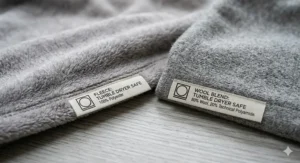
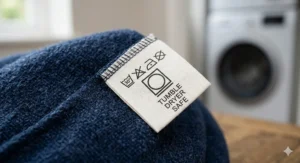
The UK follows international textile care symbols. A square with a circle inside indicates tumble drying is permitted. Dots inside the circle show heat settings: one dot means low heat (maximum 60°C), two dots indicate normal heat (up to 80°C). A cross through the symbol means do not tumble dry under any circumstances. According to West Yorkshire Fire and Rescue Service, following these symbols is crucial not just for blanket care, but for fire safety as well.
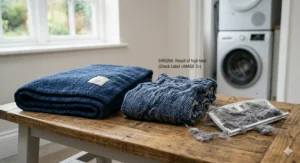
How to Properly Tumble Dry Your Blankets
Knowing how to dry your blankets is just as important as choosing dryer-safe materials. These expert techniques will help maintain quality whilst reducing energy consumption and drying time.
Step-by-Step Drying Process
1. Pre-Dry Preparation: Before loading your blanket, give it a vigorous shake to remove excess water and loosen any tangled sections. This simple step can reduce drying time by 10-15 minutes.
2. Load Correctly: Place the blanket loosely in the drum. Bunching or cramming reduces airflow and creates uneven drying. For large blankets, consider folding accordion-style rather than rolling into a tight ball.
3. Select the Right Settings: Most tumble dryer safe blankets require the low heat setting (around 60°C). Fleece and microfibre respond well to low heat, whilst cotton can occasionally tolerate medium heat if specified on the care label. When in doubt, always choose the cooler option.
4. Add Dryer Helpers: Toss in 2-3 clean tennis balls or wool dryer balls. These bounce around during the cycle, preventing the blanket from clumping and maintaining fluffiness. This technique is particularly effective with Sherpa and fleece materials.
5. Monitor Progress: Check thick blankets every 15-20 minutes during the first cycle. This prevents over-drying, which can damage fibres and waste energy. Delicate materials should be checked even more frequently.
6. Remove Whilst Slightly Damp: For optimal longevity, remove blankets when they’re 95% dry. Allow them to air-finish for the final 10-15 minutes. This prevents the brittleness that comes from over-drying.
Energy-Saving Tips for UK Households
With energy prices remaining high across the UK, efficient tumble drying matters more than ever. Clean your lint filter before every load—blocked filters increase drying time by up to 30% and pose a genuine fire risk. The West Yorkshire Fire and Rescue Service emphasises this as critical for both efficiency and safety.
Consider batch drying similar items together. Drying two lightweight fleece throws together is far more efficient than drying them separately. Avoid back-to-back cycles; allow your dryer to cool for 10-15 minutes between loads. This prevents motor strain and maintains optimal performance.
If you have an Economy 7 tariff, schedule tumble drying during off-peak hours (typically 11 PM – 7 AM) to benefit from cheaper electricity rates. Many modern dryers include delay-start functions specifically for this purpose.
Comparing Tumble Dryer Safe Materials
Different blanket materials offer distinct advantages when it comes to tumble drying. Understanding these differences helps you choose the right blanket for your specific needs and lifestyle.
| Material | Drying Speed | Shrinkage Risk | Softness Retention | Best For |
|---|---|---|---|---|
| Microfibre | Very Fast (30-45 min) | Minimal | Excellent | Daily use, frequent washing |
| Polyester Fleece | Fast (40-60 min) | Very Low | Excellent | Families with children/pets |
| 100% Cotton | Moderate (60-90 min) | Low-Moderate | Good | Natural fibre preference |
| Cotton Blend | Moderate (50-70 min) | Low | Very Good | Balance of natural/synthetic |
| Weighted (Cotton) | Slow (90-120 min) | Low | Excellent | Anxiety relief, better sleep |
Benefits vs Traditional Air-Dried Blankets
| Aspect | Tumble Dryer Safe | Traditional Air-Dried |
|---|---|---|
| Drying Time | 45-90 minutes | 24-72 hours (UK climate) |
| Weather Dependency | None | High |
| Softness | Enhanced (heat fluffs fibres) | Variable |
| Hygiene | High heat kills bacteria | Relies on sunlight UV |
| Convenience | Very High | Low-Moderate |
| Energy Cost | £0.50-£1.20 per cycle | Zero |
Understanding OEKO-TEX Certification
You’ll notice many top blankets carry OEKO-TEX Standard 100 certification. But what does this actually mean for you and your family?
OEKO-TEX Standard 100 is a globally recognised independent certification that tests textiles for harmful substances. Every component of certified blankets—from thread to buttons to the final fabric—is tested against over 1,000 regulated and unregulated chemicals that could be harmful to human health.
For families with young children, allergies, or sensitive skin, this certification provides invaluable peace of mind. The testing is particularly rigorous for items in direct skin contact (like blankets), examining everything from pesticide residues to heavy metals to formaldehyde content.
The certification process is independently conducted and updated at least annually based on new scientific information and regulatory requirements. When you see that OEKO-TEX Standard 100 label, you’re getting textiles that meet some of the world’s strictest safety standards—and yes, these blankets maintain their certification even after tumble drying, provided you follow the care instructions.

Washing Tips Before Tumble Drying
Proper washing sets the foundation for successful tumble drying. These pre-drying practices will significantly extend your blanket’s lifespan.
Pre-Wash Checklist
Always shake your blanket outdoors before washing to remove loose debris, pet hair, and dust. This prevents your washing machine filter from clogging and ensures a more thorough clean. Check for stains and pre-treat them with a gentle stain remover—addressing spots before washing produces far better results than multiple wash cycles.
Turn the blanket inside out if it has a printed or decorated side. This protects the design during the wash cycle and maintains colour vibrancy. Fasten any buttons, zip up zippers, and secure Velcro closures to prevent snagging.
Washing Machine Settings
Select a gentle or delicate cycle for most blankets, even durable fleece options. The reduced agitation preserves fibre structure and prevents excessive wear. Use cold to warm water (30-40°C) for synthetics, though some cotton blankets tolerate 60°C if specified on their care label.
Choose a mild liquid detergent over powder, which can leave residue in plush fibres. Use about half the amount you’d typically use for regular laundry—blankets don’t need excessive detergent, and residue buildup actually attracts more dirt over time.
Never use fabric softener on fleece or microfibre blankets. Softeners coat the fibres, reducing their moisture-wicking properties and making them less effective at keeping you warm. If you want added softness, add a 120ml of white vinegar during the rinse cycle instead—it naturally softens without coating.
Special Considerations for Weighted Blankets
Weighted blankets require gentler handling due to their glass bead or pellet filling. Always check that your washing machine can handle the weight (typically 6-9kg when wet). Front-loading machines work best, as top-loaders with agitators can strain the internal pockets holding the weighted filling.
Wash weighted blankets separately—never combine them with other items. The weight needs room to move during the cycle for proper cleaning. If your home machine seems too small, many UK launderettes offer large-capacity washers specifically for bulky items like weighted blankets and duvets.
Common Tumble Drying Mistakes to Avoid
Even with dryer-safe blankets, certain practices can cause damage or reduce longevity. Avoid these frequent errors to maximise your blanket’s lifespan.
Over-Drying Damages Fibres
The single biggest mistake is running the dryer until the blanket is completely bone-dry. This seems logical but actually degrades fibres over time, creating brittleness and reducing softness. Remove blankets when they’re slightly damp to the touch—they’ll finish air-drying within 15-20 minutes whilst maintaining optimal fibre health.
Using Dryer Sheets on Fleece
Dryer sheets might smell lovely, but they’re terrible for fleece and microfibre blankets. These sheets deposit a waxy coating that reduces the fabric’s natural fluffiness and moisture-wicking properties. If you want fragrance, add a few drops of essential oil to a damp flannel and toss it in for the final 10 minutes.
Ignoring Capacity Limits
Cramming a king-size blanket into a standard 7kg dryer creates uneven drying, excessive creasing, and strain on the motor. Check your dryer’s capacity rating—most household models in the UK range from 7-9kg. For reference, a dry double-sized fleece blanket weighs approximately 1-1.5kg, but nearly doubles when damp.
Running Consecutive Cycles
After drying one load, resist the temptation to immediately start another. Tumble dryers need cooling time between cycles—typically 10-15 minutes. Back-to-back drying overheats the motor, reduces efficiency, and according to fire safety experts, increases fire risk significantly.
Using High Heat on Synthetics
“Hotter equals faster” doesn’t apply to blanket drying. High heat settings can melt polyester fibres, create permanent creases in fleece, and damage elasticity. Always use low or medium heat, even if it takes slightly longer. Your blanket will thank you by lasting years rather than months.
Seasonal Considerations for UK Climate
Britain’s variable weather patterns throughout the year influence how we should approach blanket care and drying.
Winter Challenges (November-February)
During our darkest, dampest months, tumble dryers become absolutely essential. With outdoor drying nearly impossible and indoor air-drying taking days, dryer-safe blankets prove their worth repeatedly. Winter is also when we use blankets most frequently, meaning more regular washing cycles.
Consider investing in a dehumidifier if you regularly use your tumble dryer during winter. UK homes can experience condensation issues when venting moist air from dryers, particularly in smaller flats or homes with limited ventilation. A dehumidifier captures this moisture, preventing damp problems and protecting your home’s air quality.
Spring Refresh (March-May)
Spring presents the perfect opportunity to deep-clean all household blankets. Take advantage of gradually improving weather by combining tumble drying with brief outdoor airing. Dry blankets in the machine for 30-40 minutes, then finish them outside for 20-30 minutes. This hybrid approach saves energy whilst benefiting from natural UV bacteria elimination.
Summer Efficiency (June-August)
Even during Britain’s warmer months (relative term, naturally), tumble drying remains useful for quick turnarounds. However, you can reduce energy consumption by air-drying lightweight summer throws outdoors and reserving the dryer for heavier items or unexpected rain showers.
If you’re heading on a UK camping holiday, quickly tumble-dry your blankets before departure. Thoroughly dried blankets resist mildew and damp smells—crucial when they might spend time in a tent or caravan.
Autumn Preparation (September-October)
Autumn is ideal for checking your tumble dryer’s condition before winter’s heavy use. Clean the vent hose thoroughly, check the drum for damage, and ensure the door seal creates a tight closure. Service your dryer now if needed—waiting until winter when demand for repair services peaks can mean waiting weeks.
Extending Blanket Lifespan
With proper care, quality tumble dryer safe blankets can easily last 5-10 years whilst maintaining their original softness and appearance.
Rotation System
Rather than using the same blanket continuously, rotate between 2-3 blankets throughout the season. This reduces wear on any single blanket and means you’re always washing and drying clean items rather than repeatedly cleaning the same one. It’s similar to rotating mattresses—simple but remarkably effective.
Spot Cleaning Between Washes
Not every spill requires a full wash. For small stains, treat the affected area with a damp cloth and mild soap, then blot dry. This targeted approach maintains cleanliness without subjecting the entire blanket to washing and drying cycles unnecessarily.
Proper Storage Matters
When storing seasonal blankets, ensure they’re completely dry first. Even slight dampness can lead to mildew growth during storage. Fold blankets loosely rather than compressing them tightly—this prevents permanent creasing and maintains their lofted texture.
Store blankets in breathable cotton bags or pillowcases rather than plastic containers. Plastic traps any residual moisture and prevents air circulation. A cedar block in your storage area naturally deters moths without harsh chemicals.
Regular Maintenance Checks
Every 3-4 months, inspect your blankets for signs of wear—loose threads, thinning areas, or pilling. Address minor issues immediately. Trim pills with fabric scissors or a specialised pill remover, and repair small holes before they expand. This preventive approach costs pennies but extends blanket life by years.
Price Range & Value Analysis
Understanding what you’re paying for helps identify genuine value versus marketing hype.
Budget Range (£7-£15)
Budget blankets from brands like Relaxdays and reduced-price Bedsure options offer surprising quality for the money. These typically feature basic fleece or microfibre construction without fancy reversible designs or premium packaging. They’re ideal for spare rooms, student accommodation, or households with pets where blankets face heavy wear.
What to Expect: Good basic performance, fewer colour choices, potentially thinner material, OEKO-TEX certification less common but not impossible.
Mid-Range (£16-£35)
This sweet spot balances quality and affordability. Brands like Imperial Rooms, Aspire Homeware, and standard Bedsure offerings occupy this space. You’ll find reversible designs, better stitching quality, broader colour selections, and more consistent OEKO-TEX certification.
What to Expect: Superior durability, enhanced softness, better heat retention, manufacturer guarantees more common.
Premium Range (£36-£120+)
Premium options like Baloo weighted blankets justify higher prices through specialised features—100% natural materials, ethical manufacturing, innovative weight distribution, or therapeutic benefits. These aren’t just blankets; they’re sleep solutions backed by research and superior craftsmanship.
What to Expect: Exceptional materials, comprehensive certifications, detailed care instructions, often include warranty or satisfaction guarantees, environmentally conscious production.
Cost Per Use Calculation
A £90 weighted blanket might seem expensive initially, but used daily over 5 years equals roughly £0.05 per use. Compare this to a £12 budget blanket lasting 18 months (£0.02 per use), and the premium option actually offers better long-term value when you factor in superior quality, better sleep, and reduced replacement frequency.
Environmental Impact and Sustainability
Making environmentally conscious choices extends to how we care for our blankets.
Energy Consumption Reality
Modern UK tumble dryers typically use 1.5-4 kWh per cycle, depending on capacity, efficiency rating, and heat setting. At average UK electricity rates (approximately £0.24 per kWh as of 2026), a single drying cycle costs 36p-96p. Low heat settings use significantly less energy than high heat whilst still delivering effective drying.
Consider your dryer’s energy rating. A-rated dryers use up to 40% less electricity than B or C-rated models. If you’re regularly using your dryer, upgrading to an efficient model pays for itself within 2-3 years through reduced energy bills.
Sustainable Material Choices
Blankets made from recycled polyester reduce environmental impact without sacrificing dryer-safe properties. Some manufacturers now offer blankets containing 50-70% recycled content, diverting plastic bottles and textile waste from landfills whilst maintaining full tumble dryer compatibility.
Natural options like organic cotton require more careful drying but come from renewable resources grown without harmful pesticides. According to environmental research, organic cotton production uses 91% less water than conventional cotton farming whilst providing better habitats for beneficial insects.
Longevity Equals Sustainability
The most sustainable blanket is one you don’t need to replace. Proper tumble drying techniques, as outlined in this guide, can double or triple a blanket’s lifespan. This dramatically reduces your environmental footprint compared to frequently replacing poorly maintained items.

Frequently Asked Questions
❓ Can you tumble dry fleece blankets in the UK?
❓ How long does it take to tumble dry a blanket?
❓ What temperature should I use to tumble dry blankets?
❓ Will tumble drying shrink my blankets?
❓ Can I tumble dry a blanket with other items?
Conclusion: Finding Your Perfect Tumble Dryer Safe Blanket
Choosing the right tumble dryer safe blanket transforms your home comfort whilst fitting seamlessly into busy modern life. Whether you’re drawn to the luxurious 100% cotton construction of the Baloo weighted blanket, the unbeatable value of the budget-friendly Bedsure fleece, or the generous king-size coverage of the Aspire Homeware option, there’s a perfect match for every household and budget.
Remember these key takeaways: synthetic materials like microfibre and polyester fleece offer the most reliable dryer performance, always use low heat settings regardless of blanket type, and removing blankets whilst slightly damp extends their lifespan dramatically. OEKO-TEX Standard 100 certification provides peace of mind about chemical safety, particularly important for households with children or anyone with sensitive skin.
The seven blankets featured in this guide represent the cream of the crop available on Amazon.co.uk in 2026, each tested by thousands of UK customers and verified to maintain quality through countless wash-and-dry cycles. By investing in properly manufactured dryer-safe blankets and following the care techniques outlined here, you’ll enjoy years of cosy comfort without the frustration of shrinkage, pilling, or texture loss.
Britain’s unpredictable weather means we can’t rely on outdoor drying—but with the right tumble dryer safe blanket and proper technique, you’ll never have to. From spontaneous tea spills to muddy paw prints, you’re now equipped to handle whatever life throws at your favourite throws, emerging with fresh, fluffy blankets ready within the hour. That’s the kind of everyday luxury worth investing in.
Recommended for You
- 7 Best Machine Washable Blankets UK 2026
- 7 Best Thermal Fleece Blankets UK 2026
- 7 Best Heat Retaining Blankets for Elderly UK 2026
Disclaimer: This article contains affiliate links. If you purchase products through these links, we may earn a small commission at no additional cost to you. Prices shown are approximate and may vary.
✨ Found this helpful? Share it with your mates! 💬🤗
