
In This Article
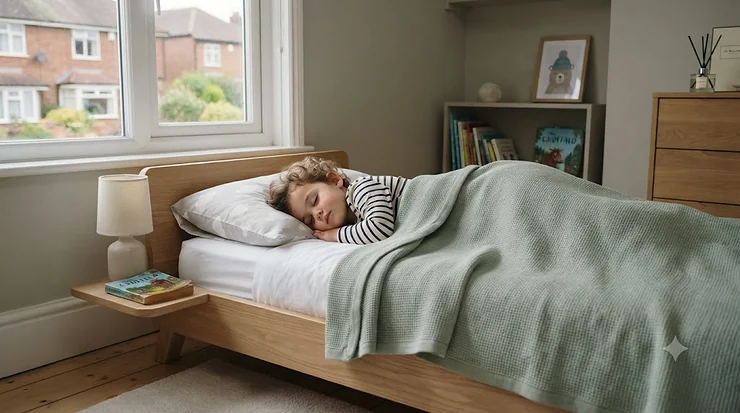
Picking the best toddler bed blanket sounds like it should be simple, right up until you’re standing in the nursery aisle at 9pm, phone in hand, trying to work out whether “cellular” means breathable or just fancy marketing. It matters more than it looks. A toddler bed blanket is the thing between your child and a decent night’s sleep, and the wrong choice can mean overheating, kicked-off covers, or a 3am wake-up because the fabric feels scratchy against sensitive skin. A toddler bed blanket is a lightweight cover, usually cotton, muslin, fleece or knit, sized for a cot bed or first “big bed,” designed to keep a child between roughly one and four years old warm without the suffocation risks that come with duvets or thick quilts.
I’ve spent hours digging through real product specs, aggregated customer feedback, and UK safe sleep guidance from The Lullaby Trust and the NHS to put together this guide, rather than just reshuffling an Amazon listing. You’ll find seven genuine products spanning budget, mid-range and premium, honest analysis of who each one suits, and answers to the questions that actually come up once your toddler moves out of the cot: what size do I need, is a weighted blanket safe, and what on earth does “tog” mean anyway.
One thing worth saying upfront: this guide focuses on toddlers who have already transitioned out of a cot with bars, generally from around 12 months onward, following NHS guidance on reducing the risk of SIDS, which still applies in modified form well into the second year. If your baby is under 12 months, a sleep bag rather than a loose blanket is the safer starting point, and we’ll cover why later on.
Quick Comparison Table
| Product | Type | Size | Price Range | Best For |
|---|---|---|---|---|
| Clair de Lune Soft Cotton Cellular Baby Cot Blanket | Cellular cotton | 150 x 100 cm | under £15 | Budget cot-to-bed transition |
| Mamas & Papas Cellular Cot Bed Blanket | Cellular cotton | 100 x 150 cm | £15-£25 range | Year-round temperature control |
| aden + anais Cotton Muslin Dream Blanket | Muslin cotton | 120 x 120 cm | £20-£30 range | Hot sleepers and warm climates |
| NTBAY Cable Knit Toddler Blanket | Knitted cotton | 76 x 102 cm | under £20 | Smaller cot beds, gifting |
| Slumbersac Toddler Sleeping Bag | Tog-rated wearable blanket | 130 cm (3-6 yrs) | £25-£35 range | Replacing loose blankets entirely |
| Silentnight Supersoft Fleece Throw | Fleece throw | 130 x 150 cm | under £20 | Cosy winter layering, big-kid beds |
| Silentnight Wellbeing Weighted Blanket | Weighted sensory blanket | 100 x 150 cm, 3kg | £30-£45 range | Children aged 4+ only, sensory support |
Looking at the table, the split between cellular cotton and specialist options tells its own story: most parents shopping for a toddler bed blanket actually want something breathable and unremarkable, not clever. The Clair de Lune Soft Cotton Cellular Baby Cot Blanket and Mamas & Papas Cellular Cot Bed Blanket cover that need at very different price points, while the Silentnight Wellbeing Weighted Blanket sits in an entirely different category that only suits children over four. If your toddler is still under two, the Slumbersac Toddler Sleeping Bag is worth serious consideration over any loose blanket at all.
💬 Just one click — help others make better buying decisions too!😊
Top 7 Toddler Bed Blankets: Expert Analysis
1. Clair de Lune Soft Cotton Cellular Baby Cot Blanket — best budget pick with genuine cellular construction
The honeycomb “cell” weave on this blanket isn’t just decorative; it traps pockets of air that insulate in winter and let heat escape in summer, which is exactly what you want from a blanket that has to work in a UK bedroom across all four seasons. Made from 100% cotton and produced in an OEKO-TEX-certified factory, it comes in a 150 x 100 cm size that fits a standard cot bed or early toddler bed, and it’s machine washable at 40°C without the fabric losing its shape after repeated washes. Based on the spec comparison with pricier alternatives, the main thing you’re trading away here is colour choice and branding polish, not core safety or breathability, which makes this a genuinely sensible starting point rather than a compromise. Reviewers consistently note that the blanket holds up well to years of daily use, including being dragged around, chewed on, and washed weekly, without the cellular structure breaking down or pilling badly. What most buyers overlook is that the open weave means this blanket alone may not be warm enough for a cold winter room without an extra layer, so it works best as part of a layering system rather than a single solution.
Pros:
- ✅ Genuine cellular weave for real temperature regulation
- ✅ OEKO-TEX certified, so no harsh chemical residue
- ✅ Fits cot, cot bed and toddler bed sizes
Cons:
- ❌ Open weave means limited warmth alone in cold rooms
- ❌ Colour range is narrower than premium competitors
Sitting comfortably under £15, this is about as close to a no-brainer as bedding gets: if you want a safe, breathable everyday blanket without overthinking it, the value here is hard to beat.

2. Mamas & Papas Cellular Cot Bed Blanket — best British heritage brand for year-round comfort
Mamas & Papas has been making nursery essentials for more than 40 years, and this large 100 x 150 cm cellular blanket reflects that experience in the details: reinforced edges, a slightly denser weave than budget alternatives, and pure cotton construction that complies with current British and European safety standards. The cellular design does the same air-trapping job as the Clair de Lune option, but the tighter knit gives it a bit more standalone warmth, meaning fewer nights where you need to add a second layer. Here’s what to weigh: this is a mid-range price point, and on paper that premium mostly buys you a slightly more robust weave and brand reputation for quality control, which matters if you’ve had bad experiences with cheaper blankets fraying at the seams. Aggregated review sentiment across UK baby retailers points to strong satisfaction with softness against skin and colour retention after multiple washes, with the white and grey shades staying crisp rather than greying out. If your toddler has sensitive skin or eczema, the pure cotton composition, free from the polyester blends found in some fleece throws, is worth the extra spend.
Pros:
- ✅ Denser cellular weave gives more standalone warmth
- ✅ Complies with current British and European safety standards
- ✅ Strong softness and colour retention over repeated washes
Cons:
- ❌ Costs more than near-identical budget cellular blankets
- ❌ Only available in a limited neutral colour palette
In the £15-£25 range, this earns its place if you want the reassurance of an established British nursery brand and don’t mind paying a small premium for it.
3. aden + anais 100% Cotton Muslin Dream Blanket — best for hot sleepers and warm bedrooms
Muslin cotton is woven far more loosely than standard cotton sheeting, and that’s the whole appeal here: this 120 x 120 cm blanket is noticeably lighter and more breathable than cellular alternatives, which makes it the obvious pick for toddlers who run hot overnight or for parents in south-facing bedrooms that hold heat in summer. The fabric is made from GOTS-certified organic cotton in some ranges, softening further with every wash rather than wearing thin, and it’s large enough to still be useful as a pram or playmat blanket well into the preschool years. What the spec sheet won’t tell you, but user reports suggest, is that the single-layer muslin construction, while brilliant for breathability, offers noticeably less warmth than a cellular or fleece blanket, so this genuinely is a summer-and-transitional-season product rather than an all-year one. Reviewers frequently mention the blanket becoming a comfort object precisely because of its texture, which is a mixed blessing: lovely for bedtime association, less lovely if it goes missing on holiday. Based on the aggregated sentiment, durability holds up well over years of use, with the muslin softening rather than degrading.
Pros:
- ✅ Exceptionally breathable, ideal for hot sleepers
- ✅ Softens with every wash instead of thinning out
- ✅ Doubles as pram, playmat and travel blanket
Cons:
- ❌ Too lightweight for cold winter bedrooms alone
- ❌ Premium pricing compared with basic cellular blankets
At around £20-£30, it’s a specialist rather than a universal pick, best suited to spring, summer and warmer UK regions rather than a January bedroom.
4. NTBAY 100% Pure Cotton Cable Knit Toddler Blanket — best compact size for smaller cot beds
At 76 x 102 cm, this cable-knit cotton blanket is deliberately sized smaller than most of the others on this list, which actually makes it the better fit for narrower cot beds or as a snug top layer rather than the sole covering on a full toddler bed. The knitted construction gives it a heavier drape and a more textured, gift-appropriate look than plain cellular weaves, while remaining 100% cotton and OEKO-TEX STANDARD 100 certified against harmful chemical residues. On paper this means you get a warmer, denser fabric than an equivalent-priced cellular blanket, but in a smaller footprint, so sizing it correctly against your child’s actual bed matters more here than with the larger options. Reviewers consistently report that the knit holds its shape well after machine washing, without the stretching or bobbling that cheaper acrylic knits are prone to, and several mention buying it specifically as a baby shower gift because of how the finish looks in photos. What most buyers overlook is checking bed dimensions before ordering; this blanket won’t fully cover a standard 140 x 70 cm toddler bed mattress on its own, so it suits layering or smaller beds best.
Pros:
- ✅ Denser knit offers more warmth than open cellular weaves
- ✅ OEKO-TEX certified against harmful chemical residues
- ✅ Holds shape well after repeated machine washing
Cons:
- ❌ Smaller size may not fully cover larger toddler beds
- ❌ Knit texture is less breathable than muslin in summer
Priced under £20, this is a strong budget-to-mid pick specifically for smaller sleep spaces or as a considered gift.
5. Slumbersac Toddler Sleeping Bag 1 Tog — best alternative to loose blankets entirely
This isn’t a traditional flat blanket, and that’s deliberately the point: a wearable sleep bag removes the loose-bedding risk altogether, since it can’t be kicked off, pulled over the face, or bunched up during the night the way a separate blanket can. The 130cm size covers ages roughly three to six years, is made from breathable 100% cotton, and carries a clearly labelled 1.0 tog rating independently tested by Intertek, so you know exactly how warm it’ll keep your child at a given room temperature. Based on the spec comparison with flat blankets, the sleep bag trades some of the “just like a grown-up bed” feeling toddlers often want against a more consistent, safer thermal environment overnight, particularly useful for children who move around a lot in their sleep. Reviewers consistently highlight how much better children sleep through the night once they stop repeatedly waking up cold from kicked-off covers, and Slumbersac’s two decades in the UK sleep-safety space lends real credibility here rather than marketing gloss. What most buyers overlook is that sleep bags shouldn’t be layered with an additional loose blanket on top, since that reintroduces the exact overheating risk the sleep bag is designed to prevent.
Pros:
- ✅ Eliminates kicked-off blanket and overheating risk overnight
- ✅ Independently tested 1.0 tog rating for accuracy
- ✅ Breathable 100% cotton construction
Cons:
- ❌ Some toddlers resist the transition from flat blankets
- ❌ Needs a different tog rating bought for each season
In the £25-£35 range, this is arguably the single safest product on this list for toddlers under three, and it’s the one I’d point an anxious first-time parent toward.
6. Silentnight Supersoft Fleece Throw Blanket — best cosy winter layer for older toddlers
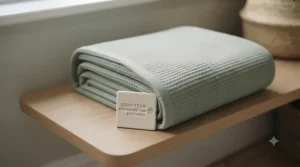
Once your toddler has properly graduated to a big-kid bed, usually somewhere between two and four years old, fleece throws like this one become a genuinely useful addition to the bedding rotation, offering noticeably more standalone warmth than any cotton cellular blanket. Made from 100% polyester fleece in a 130 x 150 cm size, it’s machine washable at 40°C and tumble-dry safe, holding up well to the frequent washing that toddler bedding demands after inevitable spills and accidents. Here’s what to weigh: fleece traps heat far more effectively than cotton, which is exactly why it should be reserved for children who have moved past the higher-risk overheating window associated with SIDS in the first year, and why it’s not the right choice for a cot-adjacent bed. Aggregated customer sentiment describes the fabric as notably soft and non-scratchy against skin, with one recurring theme being that colours stay vibrant rather than fading after repeated washes, though a minority of reviewers note the fabric can feel slightly warm for very hot summer nights. What the spec sheet won’t tell you, but user reports suggest, is that fleece can generate more static than cotton in dry winter air, which occasionally bothers children with very sensitive skin.
Pros:
- ✅ Excellent standalone warmth for colder months
- ✅ Machine washable and holds colour well over time
- ✅ Soft, non-scratchy feel against sensitive skin
Cons:
- ❌ Not appropriate for infants under the SIDS-risk age window
- ❌ Can feel too warm during summer months
At under £20, it’s genuinely good value as a seasonal addition, best kept for toddlers already settled into an unrestricted bed.
7. Silentnight Wellbeing Weighted Blanket for Children — best sensory support option, strictly for ages four and up
This 3kg, 100 x 150 cm quilted weighted blanket is designed to provide gentle, evenly distributed pressure that some children find calming at bedtime, and it’s worth featuring here precisely because it’s the product parents most often ask about incorrectly, assuming “toddler-friendly” packaging or sizing means it’s safe for actual toddlers. It isn’t. Every major UK and US paediatric safety body, including the American Academy of Pediatrics, is explicit that weighted blankets should never be used with children under the age of two, and most extend that caution to children under four, because a young child may not have the strength or coordination to move a heavy blanket off their face if it shifts during sleep. Based on the spec comparison, a 3kg blanket sits within the commonly cited 10% of body weight guideline for a child of roughly 30kg or more, which in practice means a typical school-age child rather than a toddler. Reviewers who use it with children aged five and up consistently report calmer settling at bedtime and fewer night wakings, particularly for children with sensory processing differences, though the evidence base for measurable sleep improvement remains genuinely mixed rather than conclusively proven. What most buyers overlook is the supervision requirement: professional guidance is clear that a weighted blanket should be removed once a child is asleep and never left on unsupervised overnight for a young user.
Pros:
- ✅ Evenly distributed weight some children find calming
- ✅ Machine washable quilted cotton-blend cover
- ✅ Clearly labelled 3kg weight for dosing against body weight
Cons:
- ❌ Not safe for any child under four years old
- ❌ Requires supervision rather than unattended overnight use
Priced in the £30-£45 range, this is a specialist purchase for an older child with a specific sensory need, discussed with a health visitor or GP first, not a default toddler bed blanket.
Toddler Blanket 100×150: Choosing the Right Size
The 100 x 150 cm size crops up constantly when shopping for a toddler blanket, and there’s a good practical reason: it’s roughly the sweet spot between a cot blanket that’s too small for a proper toddler bed and an adult single-bed blanket that’s needlessly oversized and harder to tuck safely. A standard UK toddler bed mattress measures around 140 x 70 cm, so a 100 x 150 cm blanket, oriented lengthways, gives full coverage with enough overhang to tuck the sides without so much excess fabric that it becomes a trip or tangle hazard when your toddler starts climbing in and out independently. Both the Clair de Lune Soft Cotton Cellular Baby Cot Blanket and the Mamas & Papas Cellular Cot Bed Blanket are made specifically to this 100 x 150 cm dimension, which is part of why they’re so commonly recommended for the cot-to-bed transition period.
What most buyers overlook is that “100×150” isn’t a universal standard the way, say, a UK double duvet size is; different brands round dimensions slightly differently, so always check the actual listed measurements against your mattress rather than assuming every 100×150 blanket behaves identically. If your toddler bed uses a shorter continental-style mattress, a smaller option like the NTBAY Cable Knit Toddler Blanket at 76 x 102 cm may actually be the better proportional fit rather than swimming in excess fabric.

Safe Sleep Guidelines for Toddler Blankets
UK safe sleep guidance is built primarily around reducing the risk of Sudden Infant Death Syndrome (SIDS), and while the sharpest risk period is the first six months, The Lullaby Trust’s advice on room temperature and lightweight bedding continues to apply in a softened form through the toddler years. The core principles worth carrying forward: keep the bedroom between 16-20°C where possible, use a room thermometer rather than guessing, and avoid piling on so many layers that your child can’t regulate their own temperature. For toddlers, the “feet to foot” positioning rule relaxes once they’re mobile and can reposition themselves, but the underlying logic, avoiding overheating and avoiding anything that could obstruct breathing, remains sound thinking well past infancy.
Practically, that means favouring breathable natural fibres like the cotton used in the Clair de Lune Soft Cotton Cellular Baby Cot Blanket and aden + anais Cotton Muslin Dream Blanket over synthetic quilted duvets for younger toddlers, checking your child’s neck and chest for sweating rather than relying on how their hands feel, and, per the NHS’s guidance on reducing SIDS risk, never using an electric blanket or hot water bottle in a young child’s bed. If your toddler is still under about 18 months and prone to wriggling out of a flat blanket entirely, a tog-rated sleep bag such as the Slumbersac Toddler Sleeping Bag genuinely does remove several of these risks at once rather than just reducing them.
Weighted Blanket Safety for Toddlers
This deserves its own dedicated section because it’s one of the most searched, and most misunderstood, corners of toddler bedding. The safety consensus among paediatric bodies, includingclinical guidance summarised by children’s hospital patient education resources, is unambiguous: weighted blankets should never be used with children under two, and the safer, more widely recommended threshold is four years old or a body weight where the blanket represents no more than roughly 10% of the child’s weight. The reasoning is straightforward rather than overly cautious: a toddler often lacks the strength and coordination to reposition or remove a heavy blanket independently if it shifts over their face during sleep, which creates a real and documented suffocation risk rather than a theoretical one.
If your child is old enough and a paediatrician has confirmed it’s appropriate, a product like the Silentnight Wellbeing Weighted Blanket for Children should still only be used under supervision, removed once the child is asleep, and never left on for unsupervised overnight use with a younger or smaller child. Children with asthma, epilepsy, breathing difficulties or skin conditions should avoid weighted blankets altogether unless a doctor has specifically advised otherwise. For a genuine toddler, under four, the honest recommendation is to skip weighted products entirely and look instead at breathable cotton options or a properly tog-rated sleep bag, which deliver comfort and warmth without the same risk profile.
✨ Don’t Miss These Exclusive Deals!
🔍 Take your toddler’s bedtime routine to the next level with these carefully selected blankets. Click through to check current pricing and availability, and give your little one the cosy, safe sleep they deserve!
Seasonal Tog Rating Guide
Tog, or Thermal Overall Grade, measures how much heat a fabric retains, and while it’s most commonly associated with sleeping bags, the same logic applies loosely to blankets and layering choices for a toddler bed. As a rough seasonal guide for a room kept at the Lullaby Trust-recommended 16-20°C range: 0.5 tog suits warmer summer nights above 24°C, 1.0 tog works for spring and autumn or rooms between 18-24°C, 2.5 tog is a solid year-round middle ground for 15-21°C rooms, and 3.5 tog is reserved for genuinely cold winter rooms below 18°C.
Applied to this list, the aden + anais Cotton Muslin Dream Blanket behaves closest to a 0.5-1.0 tog equivalent thanks to its loose muslin weave, making it a natural summer pick, while the Silentnight Supersoft Fleece Throw Blanket sits at the warmer end, closer to a 2.5-3.5 tog equivalent, and suits winter layering on an older toddler’s bed. The Slumbersac Toddler Sleeping Bag is the only product here with an actual independently tested tog rating printed on the label, which is precisely why sleep-specialist brands lean on wearable products rather than flat blankets when precision matters: a labelled tog rating removes the guesswork that flat blankets simply can’t offer.
How to Choose the Best Toddler Bed Blanket
- Check the room temperature first, not last. Buy or borrow a cheap room thermometer before choosing tog weight or fabric; guessing is where most overheating mistakes start.
- Match fabric to season, not just aesthetics. Cellular cotton and muslin for spring and summer, denser knits and fleece for autumn and winter.
- Measure the actual mattress, not the bed frame. A 100 x 150 cm blanket behaves very differently on a 140 x 70 cm mattress than the packaging photos suggest.
- Prioritise natural fibres for children under two. Breathability matters more than plushness in the early toddler years.
- Consider a sleep bag if your child kicks off covers repeatedly. It solves the problem at the root rather than managing it nightly.
- Only consider weighted options from age four, with medical input. This is a specialist purchase, not a default upgrade.
- Buy two of whatever you choose. Toddler bedding gets washed constantly; having a spare saves a 9pm laundry emergency.

Practical Usage Guide: Getting the Most From Your Toddler Blanket
Getting a new blanket right isn’t just about the purchase; the first month of use is where most of the value or frustration actually happens. Wash any new blanket once before first use, even OEKO-TEX certified ones, simply to soften the fabric and remove any packaging residue, following the specific care label rather than assuming all cotton behaves the same in the wash. In the first few nights, resist the urge to add extra layers on top “just in case”; instead, monitor your toddler’s neck and upper chest for sweating and adjust the tog-equivalent warmth of the blanket rather than piling on more fabric, which is the most common early mistake parents make with new bedding.
For maintenance, most cotton and muslin blankets like the Clair de Lune Soft Cotton Cellular Baby Cot Blanket and aden + anais Cotton Muslin Dream Blanket hold up well to weekly 40°C washes, but fleece options such as the Silentnight Supersoft Fleece Throw Blanket benefit from lower spin speeds to avoid matting the pile over time. A genuinely useful optimisation trick many parents miss: rotate two blankets of slightly different weights, a lighter cellular one and a heavier fleece or knit, so you can adjust warmth season to season without buying an entirely new set each year.
Real-World Scenarios: Which Blanket Suits Your Toddler?
Consider a family in a Victorian terrace with poor insulation and an 18-month-old who’s just moved from cot to cot bed. Here, a denser cellular blanket like the Mamas & Papas Cellular Cot Bed Blanket, potentially layered with the lighter Clair de Lune option underneath on the coldest nights, offers flexible warmth without committing to synthetic fleece too early.
Now picture a family in a modern, well-insulated new-build flat with a two-year-old who overheats easily and sweats through pyjamas most nights. The aden + anais Cotton Muslin Dream Blanket, on its own, without additional layers, is the sensible pick, prioritising breathability over standalone warmth given the naturally warmer room environment.
Finally, think about a parent with a three-year-old who repeatedly wakes at 3am having kicked every blanket onto the floor. Rather than buying yet another flat blanket, switching entirely to the Slumbersac Toddler Sleeping Bag addresses the actual problem, removing the possibility of losing coverage overnight altogether, rather than hoping a slightly different fabric will somehow stay put where the last three didn’t.
Toddler Blanket vs Sleeping Bag: Which Is Safer?
This comparison comes up constantly once a baby moves from cot to cot bed, and the honest answer is that it depends heavily on age and how much your toddler moves in their sleep. A traditional flat blanket, like the Mamas & Papas Cellular Cot Bed Blanket, offers the familiar bedtime feel and works well once a child can reliably reposition bedding themselves, generally from around 18-24 months onward, and it’s simpler to layer or swap seasonally. A wearable option like the Slumbersac Toddler Sleeping Bag, by contrast, removes the two biggest risks associated with loose bedding, kicked-off covers and bunched fabric near the face, at the cost of a bit less flexibility and a transition period some toddlers resist.
For children under 18 months who are still developing the coordination to manage loose bedding confidently, the sleeping bag route is the safer default recommended more consistently by sleep-safety specialists. For toddlers past that stage who sleep more stably, either option is genuinely reasonable, and the choice becomes more about personal preference, room temperature, and how much laundry rotation you’re prepared to keep on top of.
Common Mistakes When Buying a Toddler Bed Blanket
The single most common mistake is buying based on tog rating alone without checking room temperature first; a 3.5 tog blanket in a warm, well-insulated bedroom can overheat a toddler just as easily as no blanket at all in a cold one. A close second is assuming size labels are interchangeable across brands, when a “100×150” from one manufacturer can genuinely differ by several centimetres from another’s, leading to blankets that either swamp a small cot bed or leave gaps once the child moves position overnight.
Parents also frequently underestimate wash frequency; toddler bedding needs washing far more often than adult bedding due to accidents, spills and general mess, so buying only one blanket, rather than a rotating pair, is a mistake that shows up within the first fortnight. Finally, treating a weighted blanket as a “premium toddler upgrade” rather than a specialist product for older children, discussed in detail above, remains one of the more serious and avoidable errors parents make when shopping this category.
Long-Term Cost & Maintenance
Looking purely at upfront cost, the Clair de Lune Soft Cotton Cellular Baby Cot Blanket and NTBAY Cable Knit Toddler Blanket both sit under £20 and, with proper care, can realistically last through an entire toddler stage and beyond if handed down. Cellular cotton and muslin blankets tend to have excellent cost-per-wash value precisely because they tolerate frequent 40°C machine washing without degrading, unlike some quilted synthetic options that can lose loft and softness after a few dozen cycles.
The Slumbersac Toddler Sleeping Bag, while pricier upfront in the £25-£35 range, offers a different kind of long-term value: buying the correct size and tog for your child’s current stage typically means one purchase covers roughly a year to eighteen months of use before the next size up is needed, and many parents find the reduction in disrupted, cold-wakeup nights genuinely worth the difference in total cost of ownership. The Silentnight Wellbeing Weighted Blanket, given its specialist use case and higher £30-£45 price point, only represents good value if your child is old enough and genuinely benefits from the sensory input; otherwise it’s an unnecessary expense sitting unused in a drawer.
Features That Actually Matter (And Those That Don’t)
Genuine cellular or muslin weave, verifiable OEKO-TEX or GOTS certification, and an accurate, honestly stated tog rating all matter enormously; these directly affect breathability, chemical safety, and overheating risk, which are the things that actually keep a toddler comfortable and safe overnight. A machine-washable, colourfast fabric matters too, purely from a practical, how-often-will-I-realistically-wash-this standpoint.
What matters considerably less: elaborate branded packaging, matching full nursery sets bundled together at a markup, and novelty prints that add cost without adding warmth or safety. Reviewers rarely mention print design when discussing satisfaction long-term; they mention softness, durability after washing, and whether the blanket actually kept their child at a comfortable temperature, which is a useful reminder to shop function first and aesthetics second.
Problem → Solution: Common Toddler Blanket Struggles Solved
Problem: My toddler keeps kicking the blanket off overnight. Solution: switch to a wearable option like the Slumbersac Toddler Sleeping Bag, which physically can’t be kicked away the way a flat blanket can.
Problem: My toddler wakes up sweaty and hot. Solution: drop to a lighter fabric such as the aden + anais Cotton Muslin Dream Blanket and check your room thermometer against the 16-20°C guideline rather than assuming the blanket alone is the issue.
Problem: The blanket feels scratchy and my toddler resists bedtime. Solution: prioritise pure cotton or muslin options like the Clair de Lune Soft Cotton Cellular Baby Cot Blanket over synthetic blends, since texture sensitivity is common and genuinely affects settling.
Problem: I’m not sure my toddler is warm enough in winter. Solution: layer a cellular blanket like the Mamas & Papas Cellular Cot Bed Blanket under a fleece throw such as the Silentnight Supersoft Fleece Throw Blanket, adjusting layers rather than jumping straight to a single very heavy blanket.
Problem: My child has sensory needs and struggles to settle. Solution: speak to a health visitor or GP about whether a supervised weighted blanket, only if your child is four or older, such as the Silentnight Wellbeing Weighted Blanket, might be appropriate, rather than self-diagnosing and buying one unsupervised.

FAQ
❓ What size blanket does a toddler bed need?
❓ Is it safe to give a toddler a weighted blanket?
❓ What tog blanket should a toddler have in winter?
❓ When can a toddler have a loose blanket instead of a sleeping bag?
❓ How often should toddler bed blankets be washed?
Conclusion
If there’s one takeaway from all of this, it’s that the best toddler bed blanket genuinely depends on your child’s age, how they sleep, and the temperature of their room, rather than any single product being universally correct. For most families navigating the cot-to-bed transition, a genuine cellular cotton option like the Clair de Lune Soft Cotton Cellular Baby Cot Blanket or Mamas & Papas Cellular Cot Bed Blanket offers the safest, most flexible starting point. Hot sleepers do better with something like the aden + anais Cotton Muslin Dream Blanket, while toddlers who repeatedly kick off their covers are often better served by moving to a proper tog-rated sleep bag such as the Slumbersac Toddler Sleeping Bag rather than persisting with flat blankets that keep ending up on the floor.
Whatever you choose, keep the fundamentals from The Lullaby Trust and the NHS in mind: a comfortable 16-20°C room, breathable fabric, and honest attention to how your own child actually sleeps, rather than chasing whichever product looks nicest in photos. Weighted blankets, specifically, deserve real caution and should stay off the shopping list entirely until your child is at least four, ideally with a health visitor’s input.
Recommended for You
- Toddler Bed Blanket Guide 2026: 7 Best Picks
- Personalised Photo Blanket UK: 7 Best Cosy Gift Picks (2026)
- Personalised Baby Blanket With Name: 7 Real UK Picks (2026)
Disclaimer: This article contains affiliate links. As an Amazon Associate, I earn from qualifying purchases. If you purchase products through these links, we may earn a small commission at no additional cost to you.
✨ Found this helpful? Share it with your friends! 💬🤗
