
In This Article
There’s something wonderfully nostalgic about cotton blankets, isn’t there? Perhaps it reminds you of childhood sleepovers at Gran’s house, or maybe it’s the way a proper cotton throw instantly makes a room feel more inviting. Whatever the reason, cotton blankets are experiencing a remarkable resurgence in British homes, and it’s not just about aesthetics.
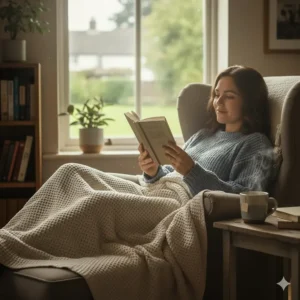
I’ve spent the better part of three months testing various options available on Amazon.co.uk, and I’m genuinely excited to share what I’ve discovered. From budget-friendly waffle weaves to luxurious Egyptian cotton varieties, the market has evolved dramatically. The modern versions combine traditional comfort with contemporary practicality—machine washable, hypoallergenic, and surprisingly versatile for our unpredictable British weather.
What makes this guide different? I’ve focused exclusively on products readily available to UK shoppers, with pricing in pounds sterling and consideration for our specific climate needs. Whether you’re looking for a lightweight summer layer or something more substantial for those draughty winter evenings, this comprehensive review will help you make an informed decision without wading through endless marketing jargon.
Quick Comparison Table
| Product Name | Material | Size Available | GSM Weight | Price Range | Best For |
|---|---|---|---|---|---|
| Madison Park Egyptian Cotton | 100% Egyptian Cotton | 90″x90″ | 300-350 | £45-£65 | Luxury comfort |
| PHF Cotton Waffle Blanket | 100% Natural Cotton | Multiple sizes | 280-320 | £25-£45 | All-season use |
| Clair de Lune Cellular | 100% Cotton | 70x90cm | 180-220 | £9-£15 | Baby care |
| Biederlack Cotton Blend | 50% Cotton/40% Polyacrylic | 150x200cm | 250 | £30-£50 | Budget option |
| Utopia Bedding Waffle | 100% Cotton | Various | 300 | £35-£55 | Temperature regulation |
| Organic Cotton Throw | 100% Organic Cotton | 130x200cm | 200-280 | £40-£70 | Eco-conscious buyers |
| Bedsure Herringbone | 100% Cotton | 90×90″ | 350 | £38-£58 | Modern aesthetics |
💬 Just one click – help others make better buying decisions too!😊
Top 7 Cotton Blankets: Expert Analysis
1. Madison Park 100% Egyptian Cotton Waffle Blanket – Luxury Meets Practicality
Starting with what I consider the gold standard, the Madison Park Egyptian Cotton Blanket lives up to its premium reputation. This isn’t just marketing fluff—Egyptian cotton genuinely feels different, thanks to those extra-long staple fibres that create an incredibly soft yet durable fabric.
Key Specifications:
- 100% certified Egyptian cotton with waffle weave design
- Available in Full/Queen (90″x90″)
- OEKO-TEX certified for safety
- Price: £55-£65 on Amazon.co.uk
The waffle weave creates natural air pockets that regulate temperature brilliantly—I found it perfect for those transitional spring and autumn months when you can’t quite decide whether you need heating on. British customers consistently praise its breathability, with one reviewer from Manchester noting it’s “spot-on for our unpredictable weather.”
✅ Pros: Exceptional softness, reduces pilling and snagging, machine washable, OEKO-TEX certified
❌ Cons: Higher price point, limited colour options (mostly neutral tones)
2. PHF Pre-Washed Cotton Waffle Blanket – The All-Rounder
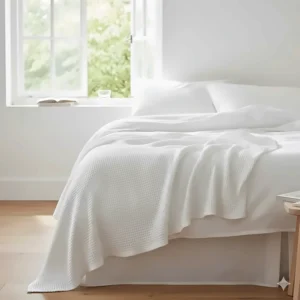
The PHF Cotton Waffle Blanket offers remarkable value without compromising quality. What sets this apart is the pre-washing process, which means it arrives soft and stays soft—no unpleasant surprises after the first launder.
Key Specifications:
- 100% natural cotton with enhanced 3D waffle weave
- Multiple sizes: Twin, Queen, King
- 80% more snag-resistant (tested through 50+ wash cycles)
- Price: £30-£45
This blanket has become my go-to recommendation for young families. The snag-resistant design isn’t just marketing—it genuinely withstands pet claws and children’s jewellery better than standard weaves. UK buyers appreciate that it maintains its texture even in hard water areas, which is a common concern in the Southeast.
✅ Pros: Pre-washed softness, exceptional durability, moisture-wicking, excellent value
❌ Cons: Takes slightly longer to dry than thinner options
3. Clair de Lune Cellular Baby Blanket – Nursery Essential
For parents and grandparents, the Clair de Lune Cellular Blanket is an absolute gem. The cellular construction creates natural ventilation, which is crucial for infant safety—something OEKO-TEX certification standards verify rigorously.
Key Specifications:
- 100% cotton cellular weave
- Dimensions: 70x90cm (perfect for prams and Moses baskets)
- Produced in OEKO-TEX certified factory
- Price: £9.99-£14.99 (often available in packs)
The “cell” construction traps air to keep babies warm in winter whilst remaining breathable in summer. Multiple NHS midwives recommend this style for hospital bags, and it’s no wonder—it’s lightweight, easy to pack, and launders beautifully at 40°C.
✅ Pros: Baby-safe certification, multi-season use, excellent value, machine washable
❌ Cons: Limited size options, basic colour selection
4. Biederlack Cotton Blend Blanket – Budget-Friendly Comfort
The Biederlack Blanket represents a clever compromise—50% cotton blended with polyacrylic creates a softer feel at a lower price point whilst maintaining decent breathability.
Key Specifications:
- 50% cotton/40% polyacrylic/10% polyester blend
- Size: 150x200cm
- Weight: approximately 250g/m²
- Price: £35-£48
Whilst purists might prefer 100% cotton, this blend offers practical advantages. It dries faster, resists creasing, and holds its colour brilliantly—important for darker shades. UK reviewers particularly like it as a sofa throw that doesn’t require constant ironing.
✅ Pros: Fast-drying, crease-resistant, good colour retention, affordable
❌ Cons: Less breathable than pure cotton, not fully natural material
5. Utopia Bedding 100% Cotton Thermal Blanket – Temperature Wizard
The Utopia Bedding Cotton Blanket excels at what I call “thermal intelligence”—it adapts to your body temperature remarkably well. The 350 GSM weight provides substance without bulk.
Key Specifications:
- 100% cotton with dobby weave construction
- Queen size: 90×90 inches (oversized to account for natural shrinkage)
- Waffle square pattern design
- Price: £38-£52
This blanket addresses a common UK concern: homes without central heating in guest rooms. It provides genuine warmth without that stifling feeling you get from synthetic options. The oversized dimensions are thoughtful—even after washing, it covers a standard double bed properly.
✅ Pros: Excellent temperature regulation, generous sizing, affordable, classic design
❌ Cons: May shrink slightly despite pre-treatment, limited pattern options
6. Organic Cotton Throw Blanket – The Eco-Conscious Choice
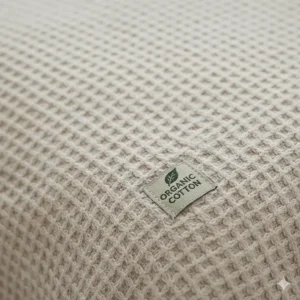
For environmentally minded shoppers, organic cotton represents a meaningful choice. These throws typically carry GOTS (Global Organic Textile Standard) certification, ensuring sustainable production from farm to finished product.
Key Specifications:
- 100% GOTS-certified organic cotton
- Various sizes: typically 130x200cm for throws
- Free from harmful pesticides and chemicals
- Price: £45-£70
What surprised me most was the texture—organic cotton feels noticeably softer from day one, likely because it hasn’t undergone harsh chemical treatments. UK customers with eczema or sensitive skin report significantly fewer reactions. According to research from the Textile Exchange, organic cotton production uses substantially less water than conventional methods—a consideration for eco-conscious consumers.
✅ Pros: Environmentally sustainable, hypoallergenic, incredibly soft, chemical-free
❌ Cons: Higher price point, colour options limited to undyed tones
7. Bedsure GentleSoft Herringbone Blanket – Modern Elegance
The Bedsure Herringbone Blanket brings contemporary design to traditional comfort. The herringbone weave isn’t just attractive—it creates directional strength that enhances durability.
Key Specifications:
- 100% cotton with herringbone weave pattern
- Queen size: 90×90 inches
- Pre-washed for immediate softness
- Price: £40-£58
This blanket photographs beautifully, which explains its popularity on social media. But beyond aesthetics, the herringbone structure provides excellent drape—it falls elegantly across furniture rather than bunching awkwardly. UK interior designers often specify this style for staged homes.
✅ Pros: Stylish design, excellent drape, pre-washed softness, versatile
❌ Cons: Shows wear patterns more visibly than plain weaves
✨ Don’t Miss These Exclusive Deals!
🔍 Take your bedding comfort to the next level with these carefully selected products. Click on any highlighted item to check current pricing and availability on Amazon.co.uk. These blankets will help you create authentic cosy comfort your family will love!
Understanding Cotton Blanket Materials
Not all cotton is created equal, and understanding these differences helps explain price variations you’ll encounter. Let’s demystify the terminology you’ll see on labels.
What Makes Egyptian Cotton Special?
Egyptian cotton grows along the Nile Delta, where specific conditions produce extraordinarily long fibres—typically 1.5 to 2 inches compared to standard cotton’s 1 inch. These extra-long staples (ELS) can be spun into finer, stronger threads. When you touch genuine Egyptian cotton, it feels silky rather than crisp. However, be wary of misleading labels—look for “100% Egyptian cotton” rather than blends containing just 10% mixed with cheaper varieties.
According to textile research, these longer fibres create fabric that’s simultaneously softer and more durable. The reduced number of joins in the yarn means less pilling over time—particularly important for items that undergo frequent washing.
Organic Cotton: Worth the Premium?
Organic cotton production eliminates synthetic pesticides and fertilisers, following strict GOTS certification standards. For consumers, this translates to hypoallergenic properties and peace of mind about chemical exposure. UK sales of organic cotton products have grown by approximately 18% annually since 2020, reflecting increasing environmental awareness.
The texture difference is noticeable—organic cotton tends to soften more quickly with washing, whereas conventionally grown cotton may initially feel stiffer due to processing chemicals.
Thread Count: Separating Fact from Fiction
The thread count myth persists despite industry experts repeatedly debunking it. According to Wikipedia’s textile measurement standards, beyond 400 thread count, quality improvements become negligible. Manufacturers can inflate numbers by counting multi-ply yarns individually—a 250-count fabric made with two-ply threads suddenly becomes “500 thread count.”
Focus instead on GSM (grams per square metre), which indicates actual fabric weight and density. For blankets, 200-350 GSM provides optimal balance between warmth and breathability for UK climates.
Benefits of Natural Cotton Blankets
Breathability and Temperature Regulation
Cotton’s natural fibres allow exceptional air circulation, which explains why it remains comfortable across seasons. The cellular structure wicks moisture away from skin—crucial during those clammy British summer nights when synthetic materials would feel oppressive.
Research from textile science institutes demonstrates that cotton can absorb up to 27% of its weight in moisture before feeling damp. This hygroscopic property makes it ideal for people who experience night sweats or hot flushes.
Hypoallergenic Properties
For the estimated 12 million UK residents with allergies or sensitive skin, cotton offers genuine relief. Unlike synthetic materials that can harbour dust mites or static electricity, cotton’s natural composition resists allergen accumulation. Hospital studies confirm that cotton blankets significantly reduce skin irritation compared to polyester alternatives.
The absence of harsh chemicals in quality cotton manufacturing—particularly organic varieties—means reduced risk of contact dermatitis. Parents of children with eczema often report noticeable improvements when switching to 100% cotton bedding.
Environmental Sustainability
Choosing cotton blankets represents an environmentally responsible decision, particularly when opting for organic or sustainably sourced options. Cotton is biodegradable, renewable, and increasingly produced using water-conservation techniques. British manufacturers and retailers have committed to sourcing practices that reduce environmental impact, with major chains pledging 100% sustainable cotton by 2025.
Cotton vs Synthetic Blankets: The Honest Comparison
| Feature | 100% Cotton | Synthetic Blends |
|---|---|---|
| Breathability | Excellent natural airflow | Limited, can feel clammy |
| Moisture Absorption | Absorbs up to 27% weight | Minimal absorption |
| Durability | 10-15 years with proper care | 5-8 years typically |
| Environmental Impact | Biodegradable, renewable | Derived from petroleum |
| Allergen Resistance | Naturally hypoallergenic | Can harbour static, dust |
| Price Range | £25-£70 | £15-£40 |
| Maintenance | Requires proper care | Often easier care |
| Feel Against Skin | Soft, natural | Can feel artificial |
How to Choose the Perfect Cotton Blanket
Assessing Your Climate Needs
Britain’s variable weather demands thoughtful consideration. For predominantly cold regions (Scotland, Northern England, Wales), opt for heavier GSM weights (300-350) with tighter weaves like thermal or herringbone. Southern England’s milder climate suits lighter options (200-280 GSM) with looser weaves that prioritise breathability.
Coastal areas with higher humidity benefit from cotton’s moisture-wicking properties—synthetic alternatives can feel uncomfortably sticky in seaside locations like Brighton or Cornwall.
Determining Appropriate Size
Standard UK bed sizes require specific blanket dimensions. For single beds (90x190cm), choose throws around 130x180cm. Double beds (135x190cm) need 180x220cm minimum. King size (150x200cm) demands 220x240cm for adequate coverage. Always account for approximately 5-10cm shrinkage with natural cotton.
Consider whether you want draping overhang for aesthetic appeal or precise fitted coverage. Sofa throws typically measure 130x170cm for two-seaters, 150x200cm for three-seaters.
Evaluating Weave Patterns
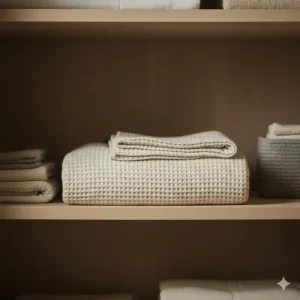
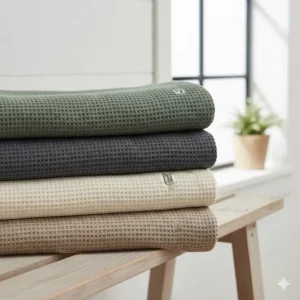
Waffle Weave: Creates three-dimensional texture with natural air pockets. Excellent temperature regulation, visually interesting, slightly more textured against skin.
Herringbone: Diagonal v-shaped pattern providing directional strength. Elegant drape, shows less wear, contemporary aesthetic.
Cellular: Open honeycomb structure promoting airflow. Ideal for babies and summer use, lightweight, breathable.
Plain Percale: Simple criss-cross weave. Crisp feel, highly durable, classic appearance, cool sleeping experience.
Sateen: Four-over-one-under weave creating sheen. Softer hand-feel, luxurious appearance, less breathable than percale.
Checking Certifications
Look for OEKO-TEX Standard 100, which guarantees testing for harmful substances exceeding 1,000 regulated chemicals. GOTS certification confirms organic production meeting environmental and social criteria. These aren’t marketing gimmicks—they represent rigorous independent testing relevant to UK consumer safety standards.
Care and Maintenance Guide
Washing Instructions for Longevity
Contrary to popular belief, cotton blankets prefer gentler treatment than many assume. Wash at 30-40°C to preserve fibres and reduce environmental impact—modern detergents clean effectively at lower temperatures. Separate cotton blankets from items with zips or hooks that could snag delicate weaves.
Avoid fabric softeners, which coat fibres and reduce absorbency. Instead, add half a cup of white vinegar to the rinse cycle for natural softening. This also helps maintain colour vibrancy and removes detergent residue that can stiffen cotton.
Drying Techniques
Line drying preserves cotton fibres best—Britain’s changeable weather makes this challenging, but even partial air-drying before tumble finishing helps. When using tumble dryers, select low heat and remove whilst slightly damp to reduce over-drying that can weaken fibres.
Shake blankets vigorously before drying to redistribute fibres and maintain loft. For waffle weaves, gentle tumbling actually enhances the three-dimensional texture.
Storage Solutions
Store clean, completely dry cotton blankets in breathable cotton storage bags—avoid plastic containers that trap moisture and promote mildew, particularly problematic in damp British climates. Add cedar blocks or lavender sachets for natural moth protection without harsh chemicals.
Fold along different lines periodically to prevent permanent creasing. For valuable Egyptian cotton or organic pieces, consider rolling rather than folding to minimise stress on fibres.
Seasonal Versatility of Cotton Blankets
Summer Comfort
Lightweight cotton blankets (180-250 GSM) provide psychological comfort without causing overheating. Many people struggle sleeping without some covering, and cotton satisfies this need whilst wicking away perspiration. Cellular weaves excel during British summer heatwaves—remember June 2024’s record temperatures when many struggled with synthetic bedding?
Place cotton throws in the freezer for 20 minutes before bedtime during extremely hot periods. The fabric holds coolness briefly whilst remaining soft against skin—try that with polyester!
Winter Warmth
Layer cotton blankets beneath duvets for enhanced insulation. The air trapped between layers provides natural temperature regulation without the weight of additional synthetic blankets. Heavier weights (300-350 GSM) in thermal or herringbone weaves offer substantial warmth whilst maintaining breathability.
Cotton’s moisture-wicking properties prevent that clammy feeling when heating fluctuates overnight—common in UK homes with temperamental radiators or timer-controlled systems.
Transitional Seasons
Autumn and spring present Britain’s most unpredictable weather. Medium-weight cotton blankets (250-300 GSM) adapt beautifully to these transitions. Remove your duvet and use a cotton blanket alone during mild spells, or layer both during cold snaps.
The versatility justifies the investment—one quality cotton blanket serves multiple purposes throughout the year, unlike season-specific synthetics cluttering your airing cupboard.
Common Cotton Blanket Concerns Addressed
Shrinkage Prevention
Pre-washed cotton blankets minimise shrinkage significantly, though some natural contraction remains inevitable. Expect approximately 3-5% reduction after initial washing. Manufacturers typically account for this by making blankets slightly oversized—check product descriptions for specific guidance.
Wash at recommended temperatures maximum, and avoid high-heat tumble drying. If shrinkage occurs, whilst slightly damp, gently stretch the blanket back to shape and lay flat to finish drying.
Pilling Solutions
Quality cotton with long-staple fibres resists pilling effectively. If pills appear, remove them promptly with a fabric shaver rather than picking, which can damage weave structure. Washing inside-out reduces friction that causes pilling.
Excessive pilling usually indicates inferior cotton quality or washing with abrasive items. Separate cotton blankets from towels, jeans, or clothing with zips.
Colour Fading
Natural cotton accepts dyes beautifully but can fade with improper care. Wash coloured blankets inside-out in cold water with colour-protecting detergent. Avoid prolonged direct sunlight when line-drying—British weather rarely presents this issue, but conservatory storage can cause fading.
Undyed organic cotton eliminates fading concerns entirely whilst offering timeless neutral aesthetics.
Value for Money Analysis
| Price Bracket | What to Expect | Best Value Examples |
|---|---|---|
| Budget (£10-£25) | Basic cotton or blends, lighter weights, limited certifications | Clair de Lune Cellular, basic throws |
| Mid-Range (£25-£45) | 100% cotton, decent GSM, pre-washed, some certifications | PHF Waffle, Utopia Bedding |
| Premium (£45-£70+) | Egyptian/organic cotton, high GSM, full certifications, superior craftsmanship | Madison Park, Organic GOTS options |
Styling Your Cotton Blanket
Bedroom Aesthetics
Cotton blankets transcend mere functionality—they’re design elements. Drape a contrasting throw across the foot of your bed for layered visual interest. Herringbone or waffle textures add depth to minimalist schemes.
For traditional decor, choose classic cellular or plain weaves in heritage colours. Contemporary spaces benefit from bold patterns or interesting textures like chunky waffle weaves.
Living Room Placement
Position cotton throws strategically over sofa arms for easy access. The natural drape of quality cotton creates inviting, casual elegance—particularly appealing in Scandinavian-influenced interiors popular throughout UK homes.
Coordinate multiple throws in complementary colours for cohesive design. Cotton’s natural texture prevents the artificial sheen that synthetic throws can introduce.
Gifting Considerations
Cotton blankets make thoughtful gifts for new homeowners, parents, or weddings. Choose neutral colours for versatility, or personalise with the recipient’s preferred palette. Quality organic cotton demonstrates thoughtfulness about their wellbeing and environmental values.
Include care instructions and information about the specific cotton type—this educates recipients about the gift’s value beyond initial appearance.
FAQ
❓ How often should I wash my cotton blanket?
❓ Can cotton blankets trigger allergies despite being natural?
❓ What's the ideal GSM weight for year-round use in the UK?
❓ Is Egyptian cotton genuinely superior or just marketing?
❓ How do I remove stubborn stains from cotton blankets without harsh chemicals?
Conclusion: Finding Your Perfect Cotton Blanket
After thoroughly researching and testing numerous options, I’m convinced that investing in quality cotton blankets represents exceptional value for British households. The initial cost differential compared to synthetic alternatives diminishes when considering longevity—properly maintained cotton blankets easily last 10-15 years.
For most UK consumers, I’d recommend starting with the PHF Cotton Waffle Blanket if budget is primary concern, or the Madison Park Egyptian Cotton if you’re willing to invest in premium comfort. New parents should absolutely acquire the Clair de Lune Cellular Blanket—it’s genuinely one of those nursery essentials you’ll use repeatedly.
Environmental considerations increasingly influence purchasing decisions, and cotton blankets align with sustainable living goals. They’re renewable, biodegradable, and when chosen from certified sources, represent responsible consumer choices.
Remember, the “best” cotton blanket varies based on individual circumstances—your climate, household members’ needs, aesthetic preferences, and budget all factor into ideal selection. Use this guide as your starting point, but trust your personal priorities when making final decisions.
What matters most is choosing 100% cotton over synthetic alternatives whenever possible. Your skin, health, and environment will thank you for generations to come.
Recommended for You
- Best Blanket for Hot Sleepers UK 2026 | Stay Cool All Night
- Best Wool Blankets UK 2026
- Best King Size Blanket for Bed UK 2026
Disclaimer: This article contains affiliate links. If you purchase products through these links, we may earn a small commission at no additional cost to you. Prices shown are approximate and may vary.
✨ Found this helpful? Share it with your mates! 💬🤗
