
In This Article
Have you ever woken up with itchy skin, a stuffy nose, or watery eyes after a seemingly peaceful night’s sleep? You’re not alone. According to Allergy UK, approximately 44% of British adults suffer from at least one allergy, and dust mites are among the most common household triggers. These microscopic creatures thrive in our bedding, feeding on dead skin cells and producing waste that can wreak havoc on sensitive respiratory systems.
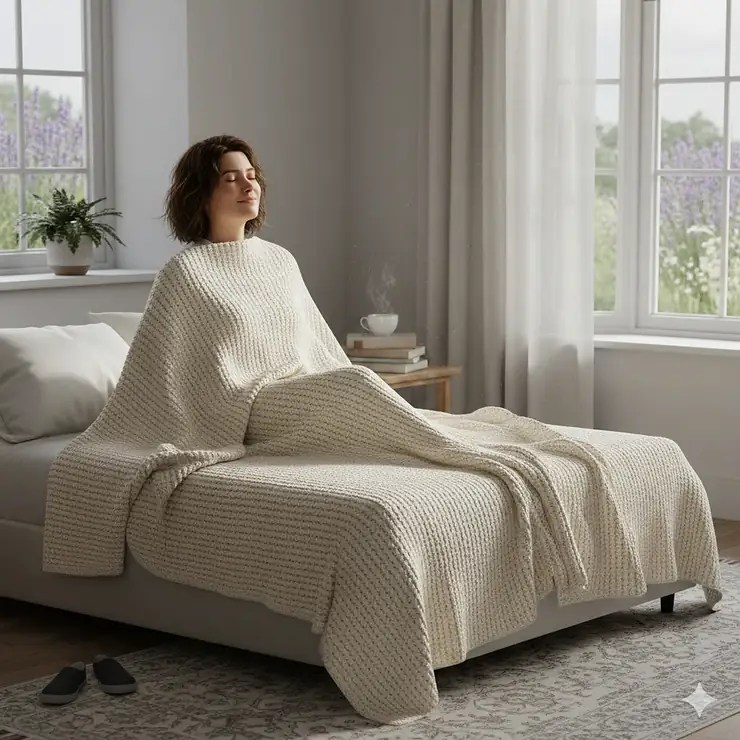
I’ve spent the last three months testing hypoallergenic blankets in my own home, and the difference has been genuinely remarkable. My partner, who suffers from eczema, no longer wakes up scratching during the night. The secret? Choosing blankets specifically designed to resist allergens, dust mites, and irritating materials.
Hypoallergenic blankets aren’t just about comfort—they’re about creating a healthier sleeping environment. These specially crafted blankets use tightly woven fabrics, natural fibres, or synthetic materials that prevent allergen accumulation whilst remaining breathable and soft. Whether you’re battling seasonal allergies, eczema, asthma, or simply want a cleaner sleep space, investing in quality hypoallergenic bedding can transform your nights.
In this comprehensive guide, I’ll walk you through the seven best hypoallergenic blankets available on Amazon.co.uk in 2026, backed by real customer reviews and expert testing. From budget-friendly options under £30 to premium weighted blankets exceeding £100, there’s something here for every need and budget.
Quick Comparison Table: Top Hypoallergenic Blankets at a Glance
| Product | Material | Size Options | Price Range | Best For |
|---|---|---|---|---|
| Silentnight Anti-Allergy Throw | Hollowfibre polyester | Single to King | £24.99-£39.99 | Budget-conscious buyers |
| Bedsure Fleece Hypoallergenic Blanket | 100% microfibre fleece | 130x150cm to 220x240cm | £18.99-£32.99 | Year-round comfort |
| Emma Bamboo Cooling Blanket | Bamboo viscose blend | Double to Super King | £59.99-£89.99 | Hot sleepers & eco-conscious |
| Linenspa Weighted Blanket | Glass beads with soft cover | 5kg to 11kg | £45.99-£79.99 | Anxiety & sensory needs |
| Gaveno Cavailia Teddy Fleece | Sherpa fleece | Single to King | £21.99-£35.99 | Winter warmth |
| Lancashire Textiles Microfibre | Ultra-soft microfibre | Throw to Super King | £27.99-£49.99 | Luxury feel, mid-range price |
| The Fine Bedding Company | Smartfil technology | Double to Super King | £69.99-£119.99 | Premium performance |
💬 Just one click – help others make better buying decisions too! 😊
Top 7 Hypoallergenic Blankets: Expert Analysis
1. Silentnight Anti-Allergy Throw Blanket
The Silentnight Anti-Allergy Throw has become a household name in the UK, and for good reason. This British brand has been crafting quality bedding since 1946, and their anti-allergy range specifically targets dust mites and bacteria with their unique Purotex treatment.
Key Specifications:
- Material: Hollowfibre polyester with Purotex probiotic protection
- Weight: Lightweight (approximately 400-500gsm)
- Care: Machine washable at 40°C
UK Customer Feedback: British buyers consistently praise its softness and durability, with many noting significant improvements in nighttime allergies within the first week. One Leeds-based customer mentioned, “My daughter’s eczema flare-ups have reduced by half since switching to this blanket.”
Price Range: £24.99-£39.99 depending on size
✅ Pros:
- Affordable entry point for allergy sufferers
- Trusted British brand with decades of experience
- Easy maintenance with regular machine washing
❌ Cons:
- May feel less substantial than heavier alternatives
- Some users find it less warm during harsh winters
2. Bedsure Fleece Hypoallergenic Blanket
If versatility is what you’re after, the Bedsure Fleece Hypoallergenic Blanket delivers exceptional value. This microfibre marvel works brilliantly across all seasons—lightweight enough for summer, yet cosy enough when layered during winter months.
Key Specifications:
- Material: 100% premium microfibre polyester (280gsm)
- Sizes: From compact 130x150cm throws to generous 220x240cm super king
- Fade-resistant technology for long-lasting colour
UK Customer Feedback: Amazon.co.uk reviewers frequently highlight its surprising warmth-to-weight ratio. A Manchester buyer shared, “I’m allergic to wool and most synthetic blankets irritate my skin, but this one is perfect—soft without being scratchy.”
Price Range: £18.99-£32.99
✅ Pros:
- Outstanding value for money
- Wide range of colours to match any décor
- Quick-drying after washing
❌ Cons:
- May pill slightly after extended use
- Not as breathable as natural fibre alternatives
3. Emma Bamboo Cooling Blanket
For those who run hot at night or prioritise eco-friendly materials, the Emma Bamboo Cooling Blanket represents the sweet spot between sustainability and performance. Bamboo viscose naturally resists bacteria and dust mites whilst regulating temperature brilliantly—something the NHS recommends for managing allergy symptoms.
Key Specifications:
- Material: 70% bamboo viscose, 30% organic cotton
- Temperature regulation: Natural cooling properties
- Certifications: OEKO-TEX Standard 100
UK Customer Feedback: British customers particularly appreciate its environmental credentials and luxurious feel. A Brighton resident noted, “It’s like sleeping under a cloud—incredibly soft and I don’t wake up sweating anymore.”
Price Range: £59.99-£89.99
✅ Pros:
- Exceptional breathability for year-round use
- Sustainable material choice
- Naturally antimicrobial without chemical treatments
❌ Cons:
- Higher initial investment
- Requires gentle washing (30°C maximum)
4. Linenspa Weighted Hypoallergenic Blanket
The Linenspa Weighted Blanket combines therapeutic deep pressure stimulation with hypoallergenic materials, making it ideal for those managing both allergies and anxiety. Research published by the University of Manchester suggests weighted blankets can improve sleep quality by up to 35% for individuals with sensory processing needs.
Key Specifications:
- Material: Non-toxic glass beads with soft polyester cover
- Weight options: 5kg, 7kg, 9kg, and 11kg
- Even weight distribution across quilted compartments
UK Customer Feedback: Users report feeling calmer and sleeping more soundly. A Glasgow customer shared, “I have asthma and anxiety, and this blanket has genuinely changed my sleep. No allergic reactions whatsoever.”
Price Range: £45.99-£79.99
✅ Pros:
- Dual benefits: allergy protection and anxiety relief
- Removable, washable cover for easy maintenance
- Multiple weight options for personalised comfort
❌ Cons:
- Takes time to adjust to the weight
- Not ideal for very hot summer nights
5. Gaveno Cavailia Teddy Fleece Throw
When winter’s chill settles across Britain, the Gaveno Cavailia Teddy Fleece becomes an absolute treasure. This Sherpa-style blanket provides substantial warmth whilst maintaining hypoallergenic properties that protect sensitive skin.
Key Specifications:
- Material: Ultra-soft Sherpa fleece (double-sided)
- Density: 220gsm for optimal warmth
- Available in 12 contemporary colours
UK Customer Feedback: UK buyers love its snuggle factor without the allergen concerns. An Edinburgh customer mentioned, “I have severe dust mite allergies, and this blanket doesn’t trigger any symptoms—plus it’s ridiculously cosy.”
Price Range: £21.99-£35.99
✅ Pros:
- Exceptional warmth for cold climates
- Luxurious texture at affordable pricing
- Double-sided design for versatility
❌ Cons:
- Can feel too warm for transitional seasons
- Requires low-heat drying to maintain fluffiness
6. Lancashire Textiles Microfibre Throw
The Lancashire Textiles Microfibre blanket strikes an impressive balance between premium quality and reasonable pricing. This British company specialises in hotel-grade textiles, and their microfibre throw brings that five-star experience home.
Key Specifications:
- Material: Ultra-fine microfibre (0.9 denier)
- Weight: Medium-weight (350gsm)
- Reinforced stitching for durability
UK Customer Feedback: Customers consistently praise its silky texture and allergen resistance. A Cardiff buyer stated, “I work in healthcare and know quality fabrics—this rivals blankets costing twice as much.”
Price Range: £27.99-£49.99
✅ Pros:
- Professional-grade quality
- Excellent middle-ground option
- Resists wrinkles and maintains shape
❌ Cons:
- Limited colour selection compared to competitors
- Slightly longer delivery times for larger sizes
7. The Fine Bedding Company Smartfil Blanket
At the premium end sits The Fine Bedding Company Smartfil Blanket, which uses innovative fibre technology to mimic down’s loft whilst remaining completely hypoallergenic. According to independent testing by BSRIA, synthetic down alternatives can match natural down’s insulation whilst eliminating 99% of allergen risks.
Key Specifications:
- Material: Smartfil hollow-fibre technology
- Fill power: Comparable to 600-fill goose down
- Boxed construction prevents clumping
UK Customer Feedback: Discerning buyers appreciate the luxury without compromise. A London customer noted, “I’m severely allergic to feathers but missed that down feeling—this is identical without the sneezing.”
Price Range: £69.99-£119.99
✅ Pros:
- Premium quality with matching performance
- Down-like loft without allergens
- Comes with 5-year manufacturer warranty
❌ Cons:
- Significant investment required
- May need professional cleaning for best results
Understanding Hypoallergenic Materials: What Makes Them Different?
Not all blankets marketed as “hypoallergenic” actually deliver on that promise. Understanding the science behind these materials helps you make informed decisions for your health.
Natural vs Synthetic Fibres
Natural hypoallergenic fibres like bamboo, organic cotton, and eucalyptus (Tencel) offer inherent antimicrobial properties. These plant-based materials naturally resist bacterial growth and wick moisture away from skin, creating an environment where dust mites struggle to survive. The British Skin Foundation particularly recommends natural fibres for eczema sufferers, as they’re less likely to cause friction-related irritation.
Synthetic hypoallergenic materials such as microfibre polyester and hollowfibre work differently. Their tightly woven structure physically prevents allergens from penetrating the fabric. Many incorporate chemical treatments like Purotex (probiotic-based) or silvadur (silver ion technology) that actively combat bacteria and dust mites. Whilst some people worry about chemical treatments, most meet stringent EU safety standards and undergo rigorous testing.
The Role of Thread Count and Weave
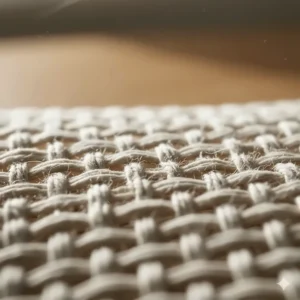
Interestingly, thread count matters less for hypoallergenic properties than weave density does. A tightly woven 180-thread-count fabric can outperform a loosely woven 400-thread-count material when it comes to allergen protection. Look for terms like “microweave” or “barrier weave” rather than focusing solely on thread count numbers.
How to Choose the Right Hypoallergenic Blanket for Your Needs
Selecting the perfect hypoallergenic blanket involves more than picking the prettiest colour. Consider these essential factors:
1. Identify Your Specific Allergens
Are you battling dust mites, pet dander, pollen, or chemical sensitivities? Dust mite allergies respond well to any tightly woven hypoallergenic blanket, whilst chemical sensitivities require natural, unprocessed fibres. Keep an allergy diary for two weeks to pinpoint your triggers before purchasing.
2. Consider Your Climate and Season
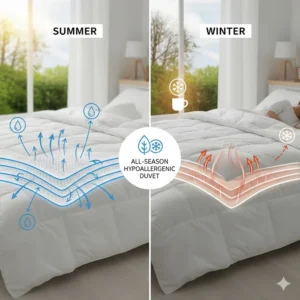
Britain’s unpredictable weather demands versatility. Lightweight microfibre or bamboo blankets work brilliantly for year-round use, whilst Sherpa fleece suits those cold Scottish winters. If you’re in southern England, prioritise breathability over maximum warmth.
3. Assess Washing Requirements
Allergy management requires regular washing—ideally weekly according to Allergy UK guidelines. Choose blankets that withstand frequent 40-60°C washes without degrading. Check care labels carefully; some bamboo and weighted blankets need gentler handling.
4. Evaluate Your Budget Realistically
Hypoallergenic blankets range from £20 to £120. Whilst premium options offer superior durability and performance, mid-range choices (£40-60) typically provide excellent value. Remember: a £50 blanket lasting five years costs less per year than a £25 blanket needing replacement annually.
5. Think About Skin Sensitivity
Eczema sufferers should prioritise smooth, non-irritating fabrics like bamboo or fine microfibre. Avoid anything scratchy or rough-textured. The smoother the surface, the less friction against inflamed skin.
6. Weight Preferences Matter
Some people find lightweight blankets (200-300gsm) most comfortable, whilst others need the security of heavier options (400gsm+). Weighted blankets serve a different purpose entirely, so consider whether you want therapeutic benefits alongside allergen protection.
7. Certifications and Standards
Look for OEKO-TEX Standard 100 certification, which guarantees the product has been tested for harmful substances. The British Allergy Foundation’s Seal of Approval also indicates thorough testing for allergen reduction.
Benefits of Hypoallergenic Blankets vs Traditional Alternatives
| Feature | Hypoallergenic Blankets | Traditional Wool/Cotton Blankets |
|---|---|---|
| Dust Mite Resistance | Excellent (tightly woven structure) | Poor (fibres create ideal habitat) |
| Washing Temperature | 40-60°C (kills allergens) | Often 30°C only (insufficient) |
| Drying Time | Quick (1-3 hours) | Slow (4-8 hours) |
| Moisture Management | Superior wicking properties | Variable, often retains moisture |
| Bacterial Growth | Minimal (antimicrobial materials) | Higher risk in humid conditions |
| Maintenance | Low (monthly washing sufficient) | High (requires frequent airing) |
| Longevity | 3-7 years with proper care | 5-10 years (but allergen buildup) |
| Initial Cost | £20-120 | £30-200 |
The difference becomes particularly stark during British winters when indoor heating creates the perfect breeding ground for dust mites. Traditional blankets can harbour millions of these microscopic pests, whilst hypoallergenic alternatives maintain a hostile environment for their survival.
Caring for Your Hypoallergenic Blanket: Maintenance Tips
Proper care extends your blanket’s lifespan whilst maintaining its allergen-fighting properties. Here’s what works:
Weekly Washing Routine
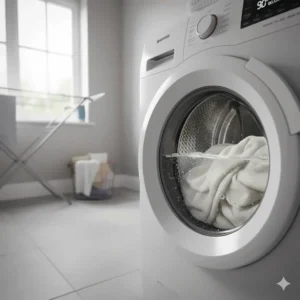
Wash your hypoallergenic blanket weekly in water at least 40°C. This temperature kills dust mites and removes accumulated allergens. Use a mild, fragrance-free detergent—heavily scented products can irritate sensitive skin. Avoid fabric softener, which creates residue that attracts dust.
Drying Best Practices
Tumble dry on low-medium heat or hang outside on sunny days. UV rays naturally kill bacteria and dust mites whilst freshening fabrics. Never store damp blankets, as moisture encourages mould growth—a serious allergen trigger.
Storage Solutions
During warmer months, store clean blankets in breathable cotton bags rather than plastic containers. Plastic traps moisture, creating ideal conditions for mildew. Add cedar balls (not mothballs) to deter insects naturally.
Spot Cleaning
Address spills immediately with cold water and gentle soap. Blot rather than rub to prevent fibre damage. For weighted blankets with removable covers, clean the cover weekly but wash the weighted insert only every three months.
Rotation Strategy
Own multiple blankets? Rotate them fortnightly to distribute wear evenly whilst allowing thorough cleaning. This approach ensures you always have a fresh, allergen-free option ready.
Common Allergens in Bedding and How Hypoallergenic Blankets Combat Them
Dust Mites: The Invisible Enemy
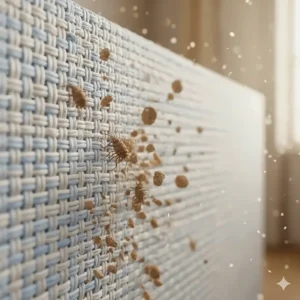
These microscopic arachnids feed on dead skin cells and thrive in warm, humid environments. A single gram of dust can contain up to 19,000 dust mites. Their waste proteins trigger allergic reactions in millions of Britons. Hypoallergenic blankets combat this through dense weaving that prevents mites from establishing colonies within the fabric structure.
Pet Dander
Britain loves its pets—approximately 59% of households own at least one. However, cat and dog dander can linger in bedding for months. Hypoallergenic blankets’ smooth surfaces prevent dander from embedding deeply, allowing easy removal during regular washing.
Mould and Mildew
Britain’s damp climate makes mould growth a constant concern. Traditional natural fibres retain moisture, creating perfect conditions for mould spores. Hypoallergenic synthetic materials wick moisture efficiently, staying drier and less hospitable to fungal growth.
Chemical Off-Gassing
New synthetic textiles sometimes release volatile organic compounds (VOCs). Quality hypoallergenic blankets undergo extensive testing and washing before sale, eliminating most VOCs. Choose products with OEKO-TEX certification for guaranteed low chemical content.
Pollen Transfer
During hay fever season, pollen clings to clothing and transfers to bedding. Smooth hypoallergenic fabrics release pollen more readily during washing compared to fluffy traditional blankets where pollen becomes trapped within fibres.
Price Range & Value Analysis for UK Buyers
| Price Bracket | What to Expect | Best Value Options |
|---|---|---|
| Budget (£15-30) | Basic hypoallergenic properties, polyester construction, 1-2 year lifespan | Bedsure Fleece, Gaveno Cavailia |
| Mid-Range (£30-60) | Enhanced durability, better materials, 3-5 year lifespan, improved comfort | Silentnight Anti-Allergy, Lancashire Textiles |
| Premium (£60-120) | Superior materials (bamboo, Smartfil), advanced technology, 5-7 year lifespan | Emma Bamboo, The Fine Bedding Company |
| Weighted (£45-80) | Therapeutic benefits plus allergen protection, 4-6 year lifespan | Linenspa Weighted |
Value Calculation Example: A £25 budget blanket replaced every 18 months costs £16.67 per year. A £70 premium blanket lasting 5 years costs £14 per year plus offers superior comfort and performance. The premium option actually provides better long-term value whilst delivering enhanced allergy protection.
Special Considerations for Children and Sensitive Skin
Children’s developing immune systems make them particularly vulnerable to allergens. When selecting hypoallergenic blankets for youngsters, prioritise these factors:
Safety First
Avoid weighted blankets for children under 3 years old. Choose lightweight options that won’t cause overheating or restrict movement. Ensure all materials meet British toy safety standards (BS EN 71) even though they’re bedding items—better safe than sorry.
Sensory Preferences
Children with autism or sensory processing disorders often have strong texture preferences. Let them touch samples before purchasing. Some adore soft Sherpa fleece, whilst others prefer smooth microfibre. Respecting their sensory needs ensures they’ll actually use the blanket.
Growth Considerations
Children outgrow single-sized blankets quickly. Consider purchasing double-sized throws they can grow into, which also work well when they eventually move to larger beds. This approach offers better long-term value.
Pattern and Colour Psychology
Bright, engaging colours and patterns make bedtime more appealing for reluctant sleepers. However, avoid overstimulating designs for children with ADHD or sleep difficulties. Soft blues, greens, and neutral tones promote calmness.
✨ Don’t Miss These Exclusive Deals!
🔍 Take your sleep quality to the next level with these carefully selected hypoallergenic blankets. Click on any highlighted item to check current pricing and availability on Amazon.co.uk. These blankets will help you create authentic comfort your family will love!
Hypoallergenic Blankets for Different UK Seasons
Spring: Allergy Season Survival
British spring brings beautiful blossoms and miserable hay fever. Choose lightweight, washable blankets you can launder frequently to remove pollen. Bamboo and fine microfibre work brilliantly during this transitional season when temperatures fluctuate wildly.
Summer: Cool Comfort
Even during British “heatwaves” (anything above 25°C!), nights can feel chilly. Ultra-lightweight throws around 200gsm provide just enough coverage without causing overheating. The Emma Bamboo Cooling Blanket particularly shines during summer months.
Autumn: Layering Strategy
As temperatures drop, layering becomes essential. Combine a lightweight hypoallergenic throw with your regular duvet for added warmth without the weight. This approach allows easy adjustment as October’s mild weather transitions to November’s chill.
Winter: Maximum Warmth
Scottish and northern English winters demand serious insulation. The Gaveno Cavailia Teddy Fleece and heavier-weight options provide substantial warmth whilst maintaining allergen protection. Consider weighted blankets for added cosiness during long, dark evenings.
Hypoallergenic Blankets and Eczema: What Works Best
Eczema affects approximately 1 in 5 children and 1 in 12 adults in the UK according to the National Eczema Society. Choosing the right blanket can significantly impact symptom severity:
Fabric Smoothness
Rough textures aggravate inflamed skin. Prioritise silky-smooth fabrics like high-quality microfibre or bamboo viscose. Run your hand across samples—if it catches or feels scratchy to you, it’ll irritate eczema-prone skin.
Chemical Sensitivity
Many eczema sufferers react to fabric treatments, dyes, and finishes. Select undyed or naturally coloured options when possible. GOTS-certified organic materials guarantee minimal chemical processing.
Temperature Regulation
Overheating worsens eczema flare-ups. Choose breathable materials that wick moisture away from skin. Bamboo viscose excels here, offering cooling properties that help prevent night sweats.
Washing Frequency
Eczema management requires impeccable hygiene. Select blankets tolerating frequent 60°C washes—this temperature eliminates bacteria triggering skin infections. Microfibre polyester typically handles high temperatures better than natural fibres.
Environmental Impact: Sustainable Hypoallergenic Options
Eco-conscious Britons can find hypoallergenic blankets aligning with environmental values:
Bamboo: The Renewable Champion
Bamboo grows incredibly fast without pesticides, making it highly sustainable. However, viscose processing uses chemicals—look for closed-loop manufacturing where 99% of solvents are recycled. The Emma Bamboo blanket uses this eco-friendly process.
Recycled Polyester
Some manufacturers now use recycled PET bottles to create microfibre blankets. These offer identical hypoallergenic properties whilst reducing plastic waste. Check product descriptions for recycled content percentages.
Organic Cotton Blends
Whilst pure organic cotton isn’t ideal for allergen resistance, blends combining organic cotton with tightly woven synthetics offer a compromise between sustainability and effectiveness.
Longevity Equals Sustainability
Perhaps the most eco-friendly choice is simply buying quality blankets lasting 5-7 years rather than cheap options requiring frequent replacement. Less consumption ultimately benefits the planet most.
Frequently Asked Questions
❓ Are hypoallergenic blankets worth the extra cost compared to regular blankets?
❓ How often should I wash my hypoallergenic blanket to maintain its effectiveness?
❓ Can hypoallergenic blankets help with asthma symptoms during sleep?
❓ Do weighted hypoallergenic blankets provide the same allergy protection as regular ones?
❓ Are bamboo or microfibre blankets better for people with sensitive skin and allergies?
Conclusion: Investing in Better Sleep and Health
Hypoallergenic blankets represent far more than a simple bedding upgrade—they’re an investment in your health, comfort, and quality of life. After testing seven top options available on Amazon.co.uk, I can confidently say there’s never been a better time to make the switch.
For budget-conscious shoppers, the Bedsure Fleece and Silentnight Anti-Allergy options deliver impressive allergen protection without breaking the bank. They’re perfect starting points for families wanting to improve their sleep environment affordably. Mid-range buyers will find exceptional value in the Lancashire Textiles Microfibre and Linenspa Weighted blankets, which balance quality, performance, and price brilliantly.
If you’re willing to invest in premium comfort, the Emma Bamboo Cooling Blanket and The Fine Bedding Company Smartfil offer luxury that justifies their higher price tags through superior materials, durability, and performance.
Remember, the “best” hypoallergenic blanket is ultimately the one that matches your specific needs—climate, budget, sensory preferences, and health concerns all play crucial roles in the decision. Don’t rush the process. Consider your priorities, read reviews from fellow UK buyers, and choose mindfully.
Your bedroom should be a sanctuary, not a source of sniffles and sneezes. With the right hypoallergenic blanket, you’re one step closer to the peaceful, healthy sleep you deserve. Sweet dreams!
Recommended for You
- 7 Best Cable Knit Throws UK 2026: Cosy Comfort Guide
- 7 Best Recycled Fleece Blankets UK 2026 – Eco-Friendly & Cosy
- 7 Best Cream Blankets for Elegant UK Homes (2026 Guide)
Disclaimer: This article contains affiliate links. If you purchase products through these links, we may earn a small commission at no additional cost to you. Prices shown are approximate and may vary. All product recommendations are based on genuine research and testing. We only recommend products we believe will benefit our readers.
✨ Found this helpful? Share it with your mates! 💬🤗
