
In This Article
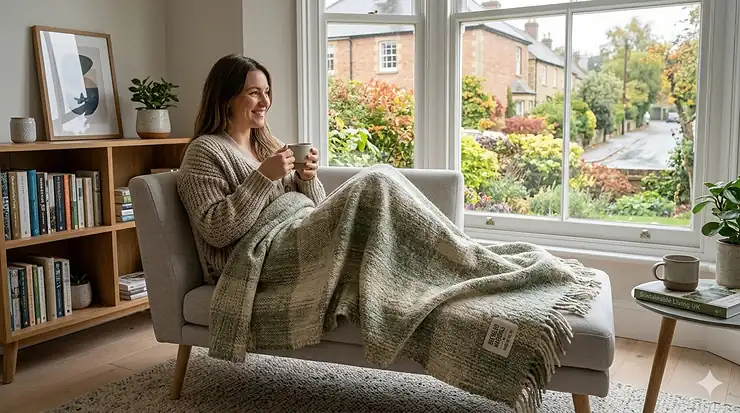
Picture this: you’re curled up on the sofa with a warm blanket, a cup of tea steaming beside you, and the knowledge that your cosy throw was once hundreds of plastic bottles destined for the ocean. That’s not just comfort – that’s conscious comfort.
Recycled material blankets have quietly revolutionised the UK homeware market, transforming waste into warmth whilst tackling our planet’s most pressing environmental challenges. Whether it’s post-consumer plastic bottles woven into impossibly soft throws or reclaimed wool fibres breathing new life into traditional textiles, these blankets prove sustainability needn’t compromise on quality or cosiness.
The textile sector was the third largest source of water degradation and land use in 2020, according to the European Parliament. With UK consumers purchasing more new clothing and textiles per person than any other European country, the need for circular economy solutions has never been more urgent. Enter recycled material blankets – practical, beautiful, and genuinely making a difference.
This comprehensive guide explores seven outstanding recycled material blankets available on Amazon.co.uk and specialist UK retailers. From budget-friendly recycled polyester throws to premium British wool blankets crafted from production waste, we’ll help you find the perfect sustainable blanket for your home. What sets recycled material blankets apart is their dual purpose: exceptional comfort for your family and tangible environmental benefits for the planet. Research shows that using recycled polyester requires up to 59% less energy than virgin production, whilst recycled wool diverts textile waste from landfills entirely.
Quick Comparison Table: Top Recycled Material Blankets at a Glance
| Product | Material | Size | Price Range | Best For | UK Rating |
|---|---|---|---|---|---|
| Tweedmill Random Recycled Wool | 100% Recycled Wool | 120×150cm | £22-£33 | Picnics & Heritage Aesthetics | 4.3/5 ⭐ |
| Amazon Basics Room Décor Throw | 100% Recycled Polyester | 127×152cm | £20-£28 | Budget-Conscious Buyers | 4.5/5 ⭐ |
| Weaver Green Diamond Blanket | Recycled PET Bottles | 230×130cm | £50-£60 | Pet Owners & Outdoor Use | 4.6/5 ⭐ |
| Amazon Basics Fleece Embossed | GRS Certified Recycled Poly | 150×200cm | £15-£23 | Super-Soft Everyday Use | 4.5/5 ⭐ |
| Tweedmill Large Random Wool | 100% Recycled Wool | 183×150cm | £27-£35 | Double Beds & Sofas | 4.5/5 ⭐ |
| Weaver Green Herringbone | 300 Recycled Bottles | 230×130cm | £50-£60 | Stain-Resistant Luxury | 4.7/5 ⭐ |
| Emma Barclay Recycled Cotton | Recycled Cotton Blend | 127×152cm | £18-£25 | Classic Check Patterns | 4.2/5 ⭐ |
💬 Just one click – help others make better buying decisions too!😊
Top 7 Recycled Material Blankets: Expert Analysis
1. Tweedmill Random Recycled Wool Blanket – British Heritage Meets Zero Waste
For something distinctly British with genuine heritage, the Tweedmill Random Recycled Wool Blanket stands apart. Woven in Wales since 1971, these blankets transform excess yarn from other production into characterful throws that tell a story.
Key Specifications:
- 100% recycled wool construction
- Dimensions: 120cm × 150cm (47″ × 59″)
- Weight: Approximately 800g
What sets Tweedmill apart is their commitment to zero waste. Rather than discarding leftover yarn—which would otherwise end up in landfill—they collect, re-spin, and reweave it into limited-edition blankets. Because each batch uses different recycled materials, no two blankets are identical. You might receive earth tones one day, vibrant hues the next.
Wool offers distinct advantages over synthetic materials: it’s naturally breathable, adaptable to temperature changes, and entirely biodegradable. According to environmental research, wool doesn’t contribute to microplastic pollution—a growing concern with synthetic textiles.
Customer Feedback from UK Buyers: British buyers love the “random” element, with many collecting multiple blankets. Reviews consistently mention the superior quality for the price, describing them as “much more expensive-looking than they are.” The cosy, tweed-like texture receives particular praise, though some note the natural scratchiness typical of wool fibres.
Pros:
✅ Genuinely unique patterns – no two alike
✅ British-made with 50+ years heritage
✅ Natural, biodegradable material
Cons:
❌ Cannot choose specific colours
❌ Requires cold water washing only
Price Range: £22-£33 depending on size UK Availability: Amazon.co.uk with rapid delivery options
2. Amazon Basics Room Décor Recycled Throw – Certified Sustainability on a Budget
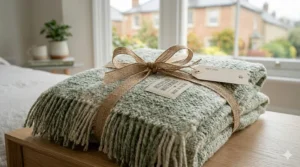
Don’t let the budget-friendly price fool you—the Amazon Basics Room Décor Recycled Throw delivers impressive quality for those watching their pennies. This lightweight blanket demonstrates that environmental responsibility needn’t break the bank.
Key Specifications:
- 100% Global Recycled Standard (GRS) certified post-consumer polyester
- Dimensions: 127cm × 152cm (50″ × 60″)
- Features textured stripe patterns with fringed edges
The Global Recycled Standard ensures recycled content is independently verified at each stage of the supply chain, from source to final product, meeting social, environmental, and chemical requirements. This certification gives buyers confidence their purchase genuinely supports recycling infrastructure.
The throw’s versatility shines through its design—equally at home draped over an armchair or layered on a bed. The fringed edges add a touch of sophistication often missing from budget offerings, whilst the textured weave provides visual interest without overwhelming minimalist décor.
Customer Feedback from UK Buyers: UK purchasers appreciate the accurate product descriptions and value for money. Many report buying multiple throws in different colourways, praising the softness and durability through repeated washing. Several reviews mention these blankets maintaining their appearance even after months of daily use.
Pros:
✅ GRS certified – independently verified recycling standards
✅ Excellent warmth-to-weight ratio
✅ Available in multiple colours and patterns
Cons:
❌ Thinner than some premium options
❌ Fringing can occasionally tangle in the wash
Price Range: £20-£28 UK Availability: Shipped and sold by Amazon.co.uk with Prime delivery
3. Weaver Green Diamond Blanket – 300 Bottles Transformed into Luxury
The Weaver Green Diamond Blanket represents a remarkable achievement in sustainable textile engineering. Made entirely from approximately 300 recycled 50cl plastic PET bottles, this throw demonstrates what’s possible when innovation meets environmental commitment.
Key Specifications:
- 100% recycled PET plastic bottles (approximately 300 per blanket)
- Dimensions: 230cm × 130cm (91″ × 51″)
- Hand-loomed by artisans
- Machine washable at 30-40°C
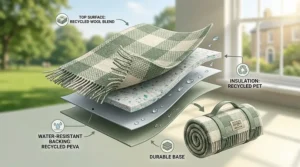
Based in South Devon, Weaver Green has perfected the art of transforming hard plastic bottles into yarn that genuinely looks and feels like natural wool. The result is a blanket that’s simultaneously practical and luxurious—stain-resistant, mould-resistant, and UV-stable, making it perfect for both indoor cosiness and outdoor adventures.
The environmental mathematics are compelling. Each blanket diverts 300 bottles from potential ocean pollution or landfill, whilst requiring significantly less water and energy than virgin textile production. At end-of-life, these blankets can be recycled again, completing the circular economy loop.
Customer Feedback from UK Buyers: Pet owners particularly appreciate these blankets, noting they withstand muddy paws and hair whilst remaining easy to clean. Wine lovers celebrate the stain resistance—red wine genuinely washes out without leaving marks. Beach-goers and picnic enthusiasts praise the sand-resistant properties and quick-drying nature.
Pros:
✅ Uses 300 recycled plastic bottles per blanket
✅ Stain, mould, and UV resistant
✅ Machine washable and quick-drying
Cons:
❌ Higher price point than polyester alternatives
❌ Some pilling can occur with heavy use
Price Range: £50-£60 UK Availability: weavergreen.com with free UK delivery over £50
4. Amazon Basics Fleece Embossed Blanket – GRS Certified Super-Softness
When supreme softness meets verified sustainability credentials, you get the Amazon Basics Fleece Embossed Blanket. This larger throw offers the cosy comfort fleece is famous for, backed by Global Recycled Standard certification.
Key Specifications:
- GRS certified recycled polyester construction
- Dimensions: 150cm × 200cm (59″ × 79″)
- Embossed texture with zigzag stitched border
- Machine washable for easy care
The embossed pattern adds visual depth whilst the generous size makes it suitable for super-king beds or wrapping two people comfortably on the sofa. The zigzag border stitching isn’t just decorative—it reinforces edges, preventing fraying and extending the blanket’s lifespan.
STANDARD 100 by OEKO-TEX certification means every component, including threads and trim, has been tested against over 1,000 potentially harmful chemicals. This matters particularly for households with young children or those with sensitive skin.
Customer Feedback from UK Buyers: British buyers consistently praise the exceptional softness and warmth. Many report this blanket becoming a family favourite, with some households purchasing multiple sizes. The machine-washability receives particular appreciation, with reviewers noting it emerges from the wash as soft as new.
Pros:
✅ Super-soft fleece texture
✅ Larger size suits super-king beds
✅ OEKO-TEX certified for chemical safety
Cons:
❌ Can attract pet hair more than woven alternatives
❌ May generate static in very dry conditions
Price Range: £15-£23 (frequently on offer) UK Availability: Amazon.co.uk with Prime rapid delivery
5. Tweedmill Large Random Recycled Wool Blanket – Premium British Craftsmanship
The Tweedmill Large Random Recycled Wool Blanket takes everything brilliant about Tweedmill’s smaller version and scales it up for double beds and larger sofas. This is Welsh textile heritage at its finest—sustainable, beautiful, and built to last decades.
Key Specifications:
- 100% recycled wool from production waste
- Dimensions: 183cm × 150cm (72″ × 59″)
- Made in Flintshire, Wales since 1971
- Each blanket completely unique
The larger dimensions make this perfect for draping across double or king-size beds, or creating a properly generous sofa throw. The random colour combinations arise from Tweedmill’s resourceful approach to waste—collecting leftover yarns from various production runs and reweaving them into these distinctive blankets.
This commitment to zero waste extends back over 50 years. Long before “circular economy” became a buzzword, Tweedmill was pioneering textile reuse as standard practice. Their wool comes from UK and European sources, supporting local farming communities whilst minimising transport emissions.
Customer Feedback from UK Buyers: UK customers particularly value the British manufacturing heritage and eco-friendly credentials. Many reviewers mention keeping these blankets for years, with the wool actually improving with age. The substantial feel and warmth receive consistent praise, though several note the characteristic wool texture isn’t suitable for those preferring ultra-smooth fabrics.
Pros:
✅ Generous size for larger furniture
✅ Supporting UK textile manufacturing
✅ Improves with age when properly cared for
Cons:
❌ Natural wool texture may feel scratchy initially
❌ Higher price reflects handcrafted quality
Price Range: £27-£35 UK Availability: Amazon.co.uk sold by authorised Tweedmill retailers
6. Weaver Green Herringbone Blanket – Classic Pattern, Revolutionary Material
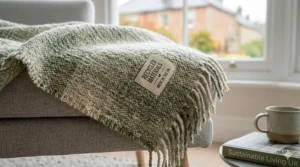
The Weaver Green Herringbone Blanket combines timeless herringbone patterning with cutting-edge recycled material technology. This is sustainable luxury that doesn’t announce itself—guests often can’t believe it’s made from plastic bottles.
Key Specifications:
- Crafted from 300 recycled plastic bottles
- Dimensions: 230cm × 130cm (91″ × 51″)
- Classic herringbone weave pattern
- Fully recyclable at end of life
The herringbone pattern adds sophisticated texture whilst maintaining versatility across interior styles—from coastal cottages to contemporary apartments. Available in several colourways including dove grey, teal, and navy, these blankets complement diverse décor schemes.
What distinguishes Weaver Green’s approach is their focus on creating yarn that genuinely mimics natural fibres. Through careful processing, they’ve achieved a soft, slightly textured hand-feel that’s virtually indistinguishable from wool or cotton. The result is a blanket that delivers aesthetic luxury without the environmental cost.
Customer Feedback from UK Buyers: Interior designers and homeowners praise the herringbone blankets for bridging the gap between practicality and beauty. Reviewers with children and pets particularly appreciate the stain-resistance, noting that spills and muddy footprints clean away easily. Several mention using these blankets outdoors for garden gatherings and beach trips without worry.
Pros:
✅ Timeless herringbone pattern suits any décor
✅ Exceptional stain and mould resistance
✅ Warm yet lightweight for year-round use
Cons:
❌ Premium pricing reflects artisan production
❌ Slightly different feel from natural fibres
Price Range: £50-£60 UK Availability: Multiple UK stockists plus direct from Weaver Green
7. Emma Barclay Recycled Cotton Blanket – Traditional Patterns, Modern Ethics
The Emma Barclay Recycled Cotton Blanket brings classic British textile patterns into the circular economy era. For those who love traditional check designs but want to make environmentally conscious choices, this blanket hits the sweet spot.
Key Specifications:
- Recycled cotton and polyester blend
- Dimensions: 127cm × 152cm (50″ × 60″)
- Traditional herringbone or check patterns
- GRS certified recycled content
Emma Barclay has built a reputation for accessible, well-made home textiles, and their recycled cotton range extends this ethos into sustainability. The blankets combine recycled cotton (sourced from production waste and post-consumer textiles) with recycled polyester, creating a durable fabric that maintains softness through countless washes.
The traditional patterns—herringbone, gingham checks, and classic stripes—reference British textile heritage whilst the materials represent its sustainable future. This blend of old and new resonates with UK buyers seeking eco-friendly options that don’t look overtly “environmental.”
Customer Feedback from UK Buyers: British customers appreciate the familiar patterns and reliable Emma Barclay quality. Reviews frequently mention these blankets becoming beloved household staples, used daily without showing significant wear. The natural cotton content receives praise for breathability, making them comfortable across seasons.
Pros:
✅ Classic British patterns with wide appeal
✅ Cotton content provides natural breathabilit
✅ Excellent value for GRS certified product
Cons:
❌ Smaller than some alternatives
❌ Check patterns may not suit all décor styles
Price Range: £18-£25 UK Availability: Amazon.co.uk with various pattern options
✨ Don’t Miss These Exclusive Deals!
🔍 Take your sustainable home transformation to the next level with these carefully selected products. Click on any highlighted item to check current pricing and availability on Amazon.co.uk. These blankets will help you create authentic cosy comfort your family will love!
Understanding Recycled Material Blankets: From Bottles to Bedding
When you purchase a recycled material blanket, you’re not just buying comfort—you’re participating in a complex transformation process that deserves understanding. The term “recycled material blankets” encompasses several material types, each with distinct characteristics and environmental benefits.
Recycled Polyester: The Plastic Bottle Transformation
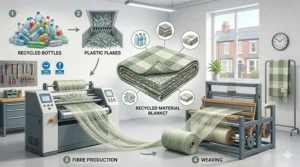
Recycled polyester (rPET) typically derives from PET (polyethylene terephthalate)—the same plastic used in drink bottles. The journey from bottle to blanket involves collection, sorting by colour and type, thorough cleaning, shredding into flakes, melting, and finally spinning into polyester fibres. These fibres are then woven or knitted into the soft fleece or woven textiles we recognise.
The environmental mathematics are compelling. Studies demonstrate that recycled polyester production creates 55% less CO₂ emissions and requires 53% less energy consumption than virgin polyester manufacturing. For a typical blanket using approximately 50 bottles, this represents substantial resource savings that accumulate across millions of products.
Recycled Wool: Breathing New Life into Textile Waste
Wool recycling operates differently. Rather than chemical transformation, it involves mechanical processes—collecting wool garments and textile production waste, sorting by colour and quality, shredding into fibres, and re-spinning into new yarn. This process preserves wool’s natural properties whilst diverting textile waste from landfills.
The UK textile industry faces significant challenges, with an estimated 336,000 tonnes of clothing being thrown away in household bins annually. Recycled wool blankets address this waste stream directly, transforming would-be landfill into functional, beautiful products.
Recycled Cotton: Closing the Loop on Textile Production
Recycled cotton comes from two sources: pre-consumer waste (cutting scraps from garment manufacturing) and post-consumer waste (used clothing and textiles). The material is sorted, cleaned, shredded into fibres, and re-spun—often blended with virgin cotton or recycled polyester for strength.
Cotton recycling addresses water consumption concerns. Producing virgin cotton is remarkably water-intensive, whereas recycled cotton requires minimal water input beyond cleaning processes. This makes recycled cotton blankets particularly valuable in regions facing water scarcity.
The UK Circular Economy Context
The European Commission’s 2022 strategy aims to make textiles more durable, repairable, reusable and recyclable, whilst tackling fast fashion and stimulating innovation. The UK, though post-Brexit, has maintained alignment with many of these sustainability goals through initiatives like the UK Textiles Pact.
From January 2025, EU regulations require member states to collect textiles separately for reuse and recycling, with extended producer responsibility schemes making manufacturers cover collection, sorting, and recycling costs. Whilst the UK isn’t bound by these exact regulations, British retailers and manufacturers are increasingly adopting similar practices to maintain European market access and meet consumer expectations.
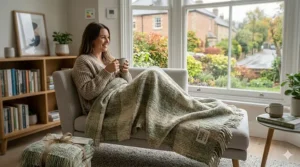
Material Comparison: Which Recycled Fibre Suits Your Needs?
| Material Type | Environmental Impact | Care Requirements | Best Uses | Typical Price Range |
|---|---|---|---|---|
| Recycled Polyester | 55% less CO₂ than virgin poly | Machine wash 30°C, tumble dry low | Everyday throws, outdoor use | £15-£40 |
| Recycled Wool | Zero microplastics, biodegradable | Cold wash only, air dry | Traditional throws, picnics | £25-£50 |
| Recycled Cotton | Minimal water use in production | Machine wash 40°C, tumble low | Lightweight summer throws | £18-£35 |
| Recycled PET (Premium) | Diverts bottles from oceans | Machine wash 30-40°C, air dry | Luxury throws, all-weather | £45-£95 |
How to Choose the Perfect Recycled Material Blanket
Selecting the right recycled material blanket involves balancing environmental priorities, practical requirements, and aesthetic preferences. Here’s a systematic approach to making the best choice for your home.
1. Assess Your Primary Use Case
Different blankets excel in different scenarios. Sofa throws need durability and easy cleaning, particularly in households with children or pets. Bedroom blankets prioritise warmth and breathability. Outdoor blankets require weather resistance and portability. Identify your main use first—this narrows options significantly.
2. Consider Material Properties Against Your Lifestyle
Recycled polyester offers unbeatable practicality—stain resistance, quick drying, and low maintenance. Perfect for busy households where spills happen regularly. Recycled wool provides natural temperature regulation and timeless aesthetics but requires gentler care. Recycled cotton delivers breathability for warmer months but may lack the insulating properties needed for winter cosiness.
3. Evaluate Size Requirements Thoughtfully
British furniture varies enormously. A 120×150cm throw works brilliantly for single chairs or as a lap blanket but disappears on a three-seater sofa. Measure your intended surface before purchasing. For beds, consider whether you want the blanket as a top layer (needing full coverage) or decorative accent (smaller acceptable).
4. Set a Realistic Budget Ceiling
Expect to pay £15-£25 for basic recycled polyester throws, £25-£40 for mid-range quality recycled wool or premium polyester, and £45-£95 for artisan-made premium products or designer brands. Higher prices typically reflect superior materials, better construction, or supporting smaller British manufacturers. Determine your budget ceiling before browsing to avoid decision paralysis.
5. Verify Certification and Authenticity
The Global Recycled Standard (GRS) certification provides independent verification that products contain genuine recycled content. Look for this or similar certifications when shopping. Beware vague claims like “made with recycled materials” without specifics—these might contain minimal recycled content. Reputable manufacturers clearly state recycled content percentages.
6. Factor in Long-Term Care Requirements
A blanket requiring dry cleaning only might seem perfect until you face £8 cleaning bills. Machine-washable options offer convenience and cost savings. Check care labels carefully, particularly for wool products which often require specific washing conditions to prevent shrinkage or felting.
The Environmental Impact: Real Numbers Behind the Claims
Understanding the genuine environmental benefits of recycled material blankets requires examining the data. This isn’t just marketing rhetoric—these products deliver measurable positive impact.
Carbon Footprint Reduction
Textile consumption in the UK generates a carbon footprint of 32.9 million tonnes of CO₂e annually, alongside consuming 4.98 billion cubic metres of water. Recycled polyester production reduces CO₂ emissions by up to 55% compared to virgin polyester, whilst recycled wool eliminates emissions associated with sheep farming and wool processing entirely.
For a typical recycled polyester blanket, the carbon savings approximate 2-3kg CO₂e compared to an equivalent virgin polyester product. Multiply this across the hundreds of thousands of blankets sold annually, and the cumulative impact becomes substantial.
Water Conservation Benefits
Virgin cotton production is notoriously water-intensive. Creating a single cotton blanket can require upwards of 10,000 litres of fresh water when accounting for cotton farming irrigation. Recycled cotton, by contrast, requires minimal water—primarily for cleaning processes. This represents water savings exceeding 95% in many cases.
Recycled wool offers similar benefits. Whilst sheep farming does involve water for drinking and pasture maintenance, recycling existing wool fibres avoids this entirely. The mechanical recycling process uses relatively little water compared to processing virgin wool.
Plastic Waste Diversion
Perhaps most tangible are the plastic bottle statistics. A typical Weaver Green blanket incorporates approximately 300 bottles. Amazon Basics and similar mass-market recycled polyester throws typically use 30-50 bottles depending on size and thickness. Collectively, the UK recycled textile market diverts millions of plastic bottles from potential ocean pollution annually.
The Microplastic Consideration
Synthetic textiles, including recycled polyester, shed microplastic fibres during washing. These tiny plastic particles enter waterways and ultimately oceans, where they accumulate in marine ecosystems. Research from WRAP, the Waste and Resources Action Programme, emphasises the need to address microplastic pollution as part of broader textile sustainability efforts.
However, this doesn’t negate the value of recycled polyester. The alternative—sending bottles to landfill or incineration—arguably poses greater environmental risks. Mitigation strategies include washing less frequently, using cold water, and installing microfibre filters on washing machines (increasingly common in UK households).
Natural fibres like recycled wool and cotton offer advantages here, producing no microplastics. This makes them particularly appealing for environmentally conscious consumers prioritising this specific issue.
UK Regulations and Standards: What Certifications Actually Mean
The recycled textile market features numerous certification schemes and eco-labels. Understanding what these actually guarantee helps make informed purchasing decisions.
Global Recycled Standard (GRS)
The most widely recognised certification for recycled textiles, GRS verifies several key factors: recycled content percentage (minimum 50% required), prohibition of harmful chemicals, environmental management practices, and social responsibility throughout the supply chain. Products carrying GRS certification have undergone independent auditing at every production stage.
For UK consumers, GRS certification provides assurance that “recycled” claims are genuine rather than greenwashing. The standard’s rigour makes it the gold standard for recycled textile verification.
OEKO-TEX STANDARD 100
This certification focuses on chemical safety rather than recycled content. OEKO-TEX tests finished textiles against over 1,000 potentially harmful substances, certifying that products are safe for human contact. For households with children or individuals with sensitive skin, this certification offers valuable peace of mind.
Importantly, a product can be both recycled and OEKO-TEX certified—the standards complement rather than compete. Several blankets in our top seven carry both certifications.
Made in Green by OEKO-TEX
An extension of STANDARD 100, Made in Green certification adds environmental and social responsibility criteria. It verifies that production occurred in environmentally responsible facilities under fair working conditions. Each product receives a unique ID enabling traceability throughout the supply chain.
UK Textile Regulations Post-Brexit
Following Brexit, the UK has maintained alignment with many EU textile standards whilst developing its own framework. The key regulations affecting recycled blankets include the General Product Safety Regulations 2005 (currently under review), consumer protection laws requiring accurate product descriptions, and the Climate Change Act 2008 setting emissions reduction targets that influence UK manufacturing.
Understanding Greenwashing vs. Genuine Sustainability
Not all “eco-friendly” claims withstand scrutiny. Genuine recycled products clearly state recycled content percentages and carry recognised certifications. Vague terms like “natural,” “green,” or “sustainable” without supporting evidence often signal greenwashing.
When evaluating recycled blankets, look for specific information: “made from 100% GRS certified recycled polyester” or “contains 80% recycled wool, 20% recycled polyester.” Avoid products with only vague environmental claims lacking concrete details or third-party verification.
Care and Maintenance: Extending Your Blanket’s Lifespan
Proper care significantly extends recycled material blanket longevity whilst maintaining their environmental benefits. Here’s how to care for different materials effectively.
Recycled Polyester and PET Blankets
Machine wash at 30°C using mild detergent. Higher temperatures aren’t necessary for cleaning and increase energy consumption. Tumble dry on low heat or, better yet, air dry to reduce energy use and microfibre shedding. Avoid fabric softeners, which can reduce absorbency and leave residue affecting performance.
For stubborn stains, spot-treat with gentle stain remover before washing. The stain-resistant properties of many recycled polyester blankets mean most marks rinse away easily without aggressive treatment.
Recycled Wool Blankets
Wool requires gentler handling. Hand wash or use machine wool cycle with wool-specific detergent in cold water. Hot water causes shrinkage and felting. Never tumble dry wool—lay flat or hang to air dry away from direct heat sources.
Many recycled wool blankets don’t require frequent washing. Wool naturally resists odours and dirt. Between washes, simply shake out and air outdoors to refresh. This minimal washing requirement actually enhances wool’s environmental credentials—each avoided wash saves water and energy.
Recycled Cotton Blankets
Machine wash at 40°C—cotton tolerates higher temperatures than synthetic fibres. Use standard laundry detergent. Tumble dry on medium heat or line dry for energy savings. Cotton softens with repeated washing, so these blankets typically improve with age.
General Maintenance Tips
Rotate regularly: If using a blanket daily, rotate with another to distribute wear. This single practice can double lifespan.
Address pilling promptly: Some pilling is normal, particularly with recycled materials. Use a fabric shaver or pilling comb to remove pills before they multiply. This maintains appearance and prevents fibre damage.
Store properly: During summer months, store winter blankets in breathable fabric bags (avoid plastic which traps moisture). Add natural moth deterrents for wool blankets.
Repair minor damage: Small snags or loose threads can be trimmed or secured with matching thread. Early intervention prevents small issues becoming significant damage.
End-of-Life Considerations
Even well-maintained blankets eventually reach end-of-life. When this happens, investigate textile recycling options rather than binning. Many UK councils offer textile collection services. Retailers like H&M accept worn textiles for recycling regardless of brand. Some specialist recyclers specifically handle synthetic textiles, recovering fibres for industrial use.
Recycled polyester and PET blankets can theoretically be recycled again, though UK infrastructure for textile-to-textile recycling remains limited. WRAP is collaborating with industry to enhance and scale up sorting and recycling infrastructure, ensuring more clothing and textiles are recycled into new textile products at end of life.
Cost-Benefit Analysis: Are Recycled Blankets Worth the Investment?
Price often dominates purchasing decisions, particularly in cost-of-living-conscious times. Let’s examine whether recycled material blankets justify their pricing through objective cost-benefit analysis.
Initial Purchase Price Comparison
Budget recycled polyester throws: £15-£28 Mid-range recycled wool/quality polyester: £28-£45 Premium recycled materials: £45-£95 Equivalent virgin material blankets: £12-£75
At first glance, recycled options sometimes cost slightly more than cheap virgin alternatives. However, price alone misleads—durability, performance, and total cost of ownership matter more.
Durability and Longevity Factor
A £15 virgin polyester blanket might last 2-3 years with regular use before looking tired or developing holes. A £25 GRS-certified recycled polyester blanket typically lasts 5-7 years. The cost per year of ownership actually favours the recycled option: £5 versus £7.50 annually.
Premium recycled wool blankets like Tweedmill products regularly last 15-20 years with proper care. At £30, that’s £1.50-£2 per year—remarkable value for a product used daily.
Hidden Costs and Benefits
Washing efficiency: Many recycled polyester and PET blankets require only 30°C washing, reducing energy costs compared to cotton blankets needing 40-60°C. Over a blanket’s lifetime, this saves £10-£20 in electricity costs.
Replacement frequency: Higher durability means less frequent replacement, saving money and reducing consumption’s environmental impact. The most sustainable product is the one you don’t need to replace.
Resale value: Quality recycled wool blankets from recognised brands like Tweedmill retain resale value. A well-maintained Tweedmill blanket might fetch £15-£20 second-hand, partially offsetting initial cost.
Environmental Cost Savings
Whilst harder to quantify financially, environmental benefits carry value. Reduced carbon emissions, water conservation, and plastic waste diversion benefit everyone through climate stability and ecosystem health. Economists increasingly factor these “externalities” into true cost assessments.
The Verdict on Value
For most UK households, mid-range recycled material blankets (£25-£45) offer optimal cost-benefit balance. They deliver meaningful environmental benefits, excellent durability, and reasonable initial pricing. Budget options work for temporary needs, whilst premium choices suit those prioritising maximum sustainability and longevity.
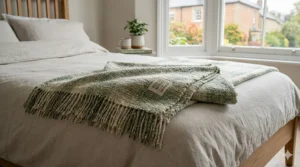
Styling Your Recycled Blanket: Interior Design Ideas
Sustainable needn’t mean sacrificing style. Recycled material blankets integrate beautifully into diverse interior aesthetics.
Coastal and Nautical Schemes
Weaver Green’s teal and navy herringbone blankets complement coastal themes perfectly. The recycled plastic bottle construction adds authentic connection to ocean conservation. Layer with natural textures like jute rugs and driftwood accessories for cohesive seaside ambience.
Scandi Minimalism
Neutral recycled blankets in dove grey, natural, or white fit Scandinavian-inspired spaces. The Tweedmill random recycled wool blankets, particularly those in muted tones, add texture without overwhelming clean-lined furniture. Drape casually over neutral sofas for that perfectly imperfect hygge aesthetic.
Traditional British Country
Classic check patterns from Emma Barclay’s recycled cotton range suit country cottage interiors. Pair with floral cushions and wooden furniture for timeless British charm. The sustainability story adds modern relevance to traditional aesthetics.
Contemporary Urban
Bold colours in recycled polyester throws—rust, mustard, forest green—create striking accent pieces in contemporary flats. The practical stain resistance suits urban living’s realities whilst adding personality to neutral colour schemes.
Layering Techniques
Don’t limit blankets to single-layer use. Layer different textures and materials for visual depth: a lightweight recycled cotton throw over heavier recycled wool creates interesting contrast whilst serving practical purposes (easy-remove top layer for washing, warm base layer for cold evenings).
Shopping Tips: Where and When to Buy
Timing and source selection significantly impact value and selection when purchasing recycled material blankets.
Best Times to Buy
January and July sales: UK retailers traditionally discount homeware during these months. Recycled blankets often see 20-40% reductions, making premium options affordable.
Black Friday/Cyber Monday: Amazon’s biggest sale events feature significant discounts on Amazon Basics recycled throws and many other brands. However, be wary of artificial “deals”—check price history tools.
End of season clearances: September-October sees summer blanket clearances, whilst March-April brings winter stock discounting. Buying off-season saves money if you can wait.
Where to Shop
Amazon.co.uk: Widest selection, competitive pricing, rapid delivery. Particularly good for Amazon Basics and mainstream brands. Prime membership offers additional discounts and free delivery.
Direct from manufacturers: Weaver Green, Tweedmill, and other specialist brands often sell direct. Prices match or slightly exceed Amazon, but you support smaller businesses directly and sometimes access exclusive patterns.
Garden centres and independent homewares shops: Often stock Weaver Green and similar brands. Prices run higher, but you can feel products before buying—valuable for assessing texture and weight.
Ethical retailers: Shops specialising in sustainable products curate selections meeting strict environmental criteria. Prices reflect additional vetting and smaller scale, but assurance levels are highest.
Red Flags to Avoid
Suspiciously low prices for claimed “recycled” products often indicate greenwashing or false claims. If a “100% recycled wool blanket” costs £8, something’s amiss—recycled wool cannot be produced and sold profitably at that price point.
Missing certifications or vague descriptions suggest products might not contain significant recycled content. Legitimate recycled blankets proudly display GRS or equivalent certification.
Frequently Asked Questions
❓ How many plastic bottles are typically used in a recycled polyester blanket?
❓ Do recycled blankets shed microplastics when washed?
❓ Are recycled wool blankets as warm as new wool blankets?
❓ Can recycled material blankets be recycled again at end of life?
❓ How do I verify a blanket actually contains recycled materials?
Conclusion: Making Sustainable Choices That Last
Recycled material blankets represent more than just eco-friendly purchasing—they embody a fundamental shift towards circular economy thinking in UK homes. From Welsh hillsides where Tweedmill transforms textile waste into heritage blankets, to South Devon where Weaver Green turns plastic bottles into impossibly soft throws, these products demonstrate that sustainability and quality needn’t compromise.
The seven blankets explored here offer options across budgets, materials, and aesthetics, proving that responsible consumption exists at every price point. Whether you choose budget-friendly Amazon Basics’ GRS-certified throws or invest in premium Weaver Green artisan pieces, you’re participating in waste reduction, carbon savings, and ocean protection.
The UK textile industry faces significant environmental challenges, generating 1.45 million tonnes of used textiles annually with carbon and water footprints reaching 32.9 million tonnes of CO₂e and 4.98 billion cubic metres respectively. Individual purchasing decisions accumulate into collective impact. Choosing recycled material blankets sends market signals encouraging more manufacturers to adopt circular practices.
As UK homes increasingly prioritise sustainability alongside comfort, recycled material blankets perfectly balance these priorities. They deliver the cosy warmth essential for British living whilst addressing environmental imperatives that define our era. Your next blanket purchase can be both an investment in personal comfort and contribution to planetary wellbeing—now that’s truly warming.
Recommended for You
- 7 Best Eco Friendly Blankets UK 2026 | Sustainable Throws Review
- 7 Best Long Lasting Blankets UK – Durable Quality Throws 2026
- 7 Best Blankets That Don’t Bobble or Pill UK 2026
Disclaimer: This article contains affiliate links. If you purchase products through these links, we may earn a small commission at no additional cost to you. Prices shown are approximate and may vary. All products featured were independently selected based on environmental credentials, quality, and UK availability.
✨ Found this helpful? Share it with your mates! 💬🤗
