
In This Article
Waking up with a blocked nose, itchy eyes, or relentless sneezing isn’t the start to the day anyone wants. If you’re one of the millions of Britons dealing with dust mite allergies, you already know that your bedding plays a starring role in either alleviating or aggravating your symptoms. The NHS estimates that house dust mite allergy affects a significant portion of the UK population, causing symptoms ranging from mild rhinitis to severe asthma attacks.
Here’s the thing: whilst you’re snoozing away, dust mites are having an absolute feast on the dead skin cells you shed. These microscopic creatures thrive in warm, humid environments – and your bed is essentially a five-star hotel for them. The proteins in their droppings become airborne, triggering allergic reactions that can seriously impact your quality of life.
But there’s good news. Choosing the right blankets for dust mite allergy sufferers can dramatically reduce your exposure to these pesky allergens. In this comprehensive guide, I’ll walk you through everything you need to know about selecting, maintaining, and benefiting from hypoallergenic blankets. From tightly woven cotton to innovative microfibre technologies, we’ll explore the best options available on Amazon.co.uk in 2026, complete with honest reviews from UK buyers and expert insights backed by medical research.
Whether you’re after a budget-friendly fleece throw or a premium organic cotton blanket, this guide has you covered – quite literally!
Quick Comparison Table
| Blanket Type | Best For | Washable Temp | Price Range (£) | Key Feature |
|---|---|---|---|---|
| EGYPTO Luxury Fleece | Budget-conscious buyers | 40°C | £15-£25 | Anti-allergy polyester |
| Royal Hotel Reversible Throw | Mid-range comfort | 30°C (gentle) | £35-£50 | Down alternative, hypoallergenic |
| 100% Turkish Cotton Throw | Natural fibre lovers | 60°C+ | £40-£60 | OEKO-TEX certified, breathable |
| Bedsure Fleece Blanket | Easy maintenance | 30°C | £20-£35 | Machine washable, fade-resistant |
| Soft Flannel Fleece | Year-round use | 40°C | £18-£28 | Anti-pilling, wrinkle-resistant |
| Bamboo Blend Blanket | Eco-conscious allergy sufferers | 30°C | £45-£70 | Moisture-wicking, antimicrobial |
| Merino Wool Lightweight | Premium natural option | Hand wash/30°C | £50-£80 | Temperature regulating, hypoallergenic |
💬 Just one click – help others make better buying decisions too! 😊
Top 7 Blankets for Dust Mite Allergy Sufferers: Expert Analysis
1. EGYPTO Luxury Fleece Blanket – Best Budget-Friendly Option
The EGYPTO Luxury Fleece Blanket has become a cult favourite amongst UK allergy sufferers looking for affordable yet effective protection. Made from 100% polyester with a luxuriously soft finish, this blanket specifically markets itself as anti-allergy friendly.
Key Specifications:
- Material: Premium polyester fleece with dual-stitched edges
- Available sizes: Single (127cm x 152cm), Double (150cm x 200cm), King (200cm x 240cm)
- Care: Machine washable at 40°C, tumble dry on low
UK Buyer Feedback: British customers consistently praise this blanket’s warmth-to-weight ratio. One reviewer noted: “Have several of these for self and as gifts. Use on bed instead of duvet as I have allergy asthma and this throw has helped minimise night asthma.” However, some mention it can shed initially, so wash before first use.
Pros:
✅ Hypoallergenic properties ideal for sensitive skin
✅ Machine washable for easy allergen removal
✅ Exceptional value for money (£15-£25)
Cons:
❌ May shed fluff initially before first wash
❌ Some colour variations from photos
Price: £15-£25 depending on size
2. Royal Hotel Bedding Reversible Throw – Best Mid-Range Comfort
For those seeking hotel-quality comfort without the premium price tag, the Royal Hotel Bedding Reversible Throw delivers magnificently. This down alternative blanket features a silky soft microfibre cover that’s completely hypoallergenic.
Key Specifications:
- Fill: 12 oz down-alternative microfiber
- Cover: 100% reversible microfiber (machine washable)
- Design: Box-stitching to prevent shifting
UK Buyer Feedback: UK customers rave about the softness and quality. “This blanket goes far beyond what I had hoped for. The outer fabric is unbelievably soft. The overall quality is fantastic,” shared one delighted buyer. The medium warmth makes it perfect for British weather year-round.
Pros:
✅ Silky soft reversible design
✅ Box-stitched construction prevents clumping
✅ Allergy-free microfiber filling
Cons:
❌ Care label discrepancies (check washing instructions)
❌ May be too lightweight for severe winter
Price: £35-£50
3. 100% Turkish Cotton Throw Blanket – Best Natural Fibre Choice
Natural cotton enthusiasts, rejoice! This 100% Turkish Cotton Throw Blanket offers OEKO-TEX certification, meaning it’s tested against harmful substances – crucial for allergy sufferers. The loose weave provides breathability whilst the natural fibres resist dust mite colonisation.
Key Specifications:
- Material: 100% premium Turkish cotton
- Size: Extra large (211cm x 178cm)
- Certification: OEKO-TEX Standard 100
UK Buyer Feedback: Buyers appreciate the generous size and natural feel. The breathable weave prevents overheating whilst keeping allergens at bay. “Perfect for indoor and outdoor use. Machine washable makes maintaining hygiene easy,” notes one review.
Pros:
✅ OEKO-TEX certified for chemical safety
✅ Breathable natural cotton
✅ Large size suitable for sharing
Cons:
❌ Requires delicate wash cycle
❌ May shrink 2-3% initially
Price: £40-£60
4. Bedsure Fleece Throw Blanket – Best for Easy Maintenance
The Bedsure Fleece Throw has earned stellar reviews for its no-fuss maintenance and consistent quality. With OEKO-TEX certification, this blanket guarantees freedom from harmful chemicals that could trigger additional sensitivities.
Key Specifications:
- Material: 100% polyester fleece (300-400 GSM)
- Special features: Fade-resistant, wrinkle-resistant
- Available colours: 15+ including silver grey, navy, teal
UK Buyer Feedback: British buyers praise its durability and softness. “Washes beautifully and gets softer each time,” reports one satisfied customer. The fade-resistant properties mean it maintains appearance even after frequent washing – essential for allergen control.
Pros:
✅ OEKO-TEX certified for safety
✅ Becomes softer with washing
✅ Wide range of colours
Cons:
❌ May feel thin to some users
❌ Not suitable for hot washing (max 30°C)
Price: £20-£35
5. Soft Flannel Fleece Blanket – Best Anti-Pilling Technology
This Soft Flannel Fleece Blanket stands out for its anti-pilling flannel construction, which prevents the fuzzy balls that can trap allergens. The hypoallergenic properties make it particularly suitable for asthma sufferers.
Key Specifications:
- Material: Anti-pilling flannel (100% polyester)
- Weight options: 280G and 320G
- Special treatment: Anti-wrinkle, hypoallergenic
UK Buyer Feedback: Users highlight the velvety texture and durability. The blanket resists shedding, which is crucial since loose fibres can exacerbate respiratory symptoms. One reviewer mentioned using it year-round for allergy management.
Pros:
✅ Anti-pilling technology prevents allergen traps
✅ Suitable for allergies and asthma
✅ Lightweight and portable
Cons:
❌ Limited to 40°C washing
❌ Synthetic feel may not suit everyone
Price: £18-£28
6. Bamboo Blend Anti-Allergy Blanket – Best Eco-Friendly Choice
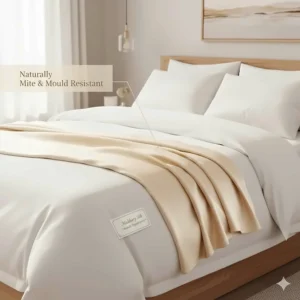
Bamboo bedding has surged in popularity amongst UK allergy sufferers, and for good reason. This Bamboo Blend Anti-Allergy Blanket naturally repels dust mites thanks to bamboo’s antimicrobial properties. According to research on sustainable bedding materials, bamboo fibres are moisture-wicking and resistant to mould and bacteria.
Key Specifications:
- Material: 60% bamboo viscose, 40% cotton
- Properties: Moisture-wicking, antibacterial
- Weave: Tighter than standard cotton (fewer threads but stronger)
UK Buyer Feedback: Eco-conscious UK buyers appreciate the sustainable credentials alongside allergy protection. The moisture-wicking properties help maintain the dry environment dust mites hate. “Noticeably cooler in summer, warm in winter, and my morning sneezing has reduced significantly,” shared one buyer.
Pros:
✅ Natural antimicrobial properties
✅ Moisture-wicking prevents mite-friendly humidity
✅ Sustainable and eco-friendly
Cons:
❌ Higher price point
❌ Requires gentle washing (30°C)
Price: £45-£70
7. Merino Wool Lightweight Throw – Best Premium Natural Option
For those willing to invest in premium natural fibres, the Merino Wool Lightweight Throw offers unparalleled temperature regulation. Merino wool naturally resists dust mites and provides hypoallergenic comfort without synthetic materials.
Key Specifications:
- Material: 100% pure Merino wool
- Properties: Thermoregulating, naturally hypoallergenic
- Care: Hand wash or delicate 30°C cycle
UK Buyer Feedback: Whilst reviews are mixed regarding care requirements, satisfied customers emphasise the luxurious feel and natural allergen resistance. The breathability prevents the moisture build-up that dust mites thrive in.
Pros:
✅ Natural hypoallergenic fibres
✅ Temperature regulating for year-round use
✅ Odour-resistant properties
Cons:
❌ Requires careful washing to avoid shrinkage
❌ Premium price point
Price: £50-£80
✨ Don’t Miss These Exclusive Deals!
🔍 Take your sleep quality to the next level with these carefully selected products. Click on any highlighted item to check current pricing and availability on Amazon.co.uk. These blankets will help you create authentic allergy-free comfort your family will love!
Understanding Dust Mite Allergies: What You Need to Know
What Are Dust Mites and Why Do They Cause Allergies?
Dust mites are microscopic arachnids – distant relatives of spiders – measuring just 0.2-0.3 millimetres in length. According to the Cambridge University Hospitals NHS Foundation Trust, these creatures are found in all homes regardless of cleanliness, thriving in warm (25-30°C) and humid conditions.
The allergy isn’t actually to the mites themselves, but to proteins found in their droppings and decomposed body parts. These microscopic particles become airborne when you move bedding, and when inhaled, trigger allergic reactions in susceptible individuals.
Common Symptoms of Dust Mite Allergies
House dust mite allergy commonly manifests through:
- Persistent sneezing, especially upon waking
- Runny or blocked nose (allergic rhinitis)
- Itchy, watery, or red eyes
- Coughing and wheezing
- Aggravated asthma symptoms
- Itchy skin or eczema flare-ups
- Facial pressure and discomfort
If you experience these symptoms year-round rather than seasonally, dust mites are likely the culprit. The NHS recommends consulting your GP for proper allergy testing if symptoms persist.
How Anti-Allergy Blankets Work
The Science Behind Dust Mite Resistant Blankets
Anti-allergy blankets combat dust mites through several mechanisms:
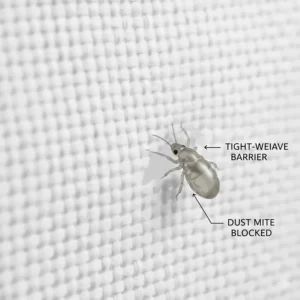
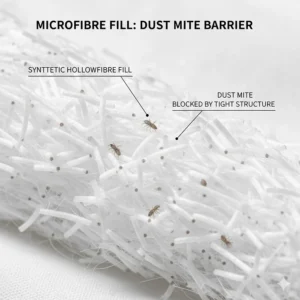
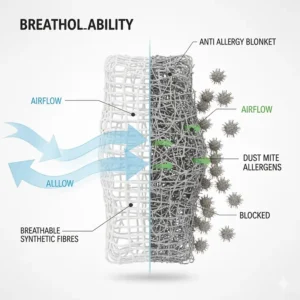
Tight Weave Construction: Blankets designed for dust mite allergy sufferers feature tightly woven fabrics that prevent mite penetration. The pore size is small enough to block mites (typically less than 10 microns) whilst remaining breathable.
Moisture Management: Dust mites require humidity levels above 50% to survive. Moisture-wicking materials like bamboo and certain synthetic fibres keep your sleeping environment dry and inhospitable to mites.
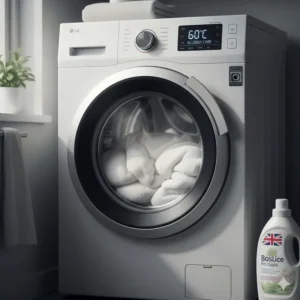
Washability: Regular washing at 60°C kills dust mites and removes allergens. Hypoallergenic bedding for allergies must withstand frequent hot washing without deteriorating.
Natural Antimicrobial Properties: Materials like bamboo, silk, and Merino wool possess inherent antimicrobial qualities that discourage mite colonisation.
Benefits vs Traditional Blankets
| Feature | Anti-Allergy Blankets | Traditional Blankets |
|---|---|---|
| Dust mite penetration | Blocked by tight weave | Easy penetration |
| Washing temperature | 40-60°C+ capable | Often delicate wash only |
| Moisture control | Wicking properties | Variable |
| Allergen accumulation | Minimal with regular care | High accumulation |
| Durability | Designed for frequent washing | May degrade quickly |
| Breathability | Maintained despite tight weave | Variable |
Choosing the Right Blanket for Your Allergy Needs
Material Matters: Natural vs Synthetic
Natural Fibres (Cotton, Bamboo, Wool):
- Breathable and temperature-regulating
- Can withstand higher washing temperatures
- Eco-friendly and sustainable
- May be more expensive initially
- Bamboo offers natural antimicrobial properties
Synthetic Fibres (Polyester, Microfibre):
- Often more affordable
- Quick-drying after washing
- Consistently hypoallergenic when certified
- May feel less breathable to some users
- Excellent durability
The Allergy UK charity emphasises that both can be effective provided they’re washable, tightly woven, and regularly maintained.
Weight and Warmth Considerations
UK climate demands versatility. Consider:
Lightweight (200-300 GSM): Perfect for summer or layering. Easier to wash frequently.
Medium Weight (300-400 GSM): All-season option suitable for most UK homes with central heating.
Heavyweight (400+ GSM): Winter warmth, though may be harder to wash frequently.
For allergy management, prioritise washability over weight. Multiple lightweight blankets beat one heavy, difficult-to-clean option.
Size and Practicality
Single/Throw Size (127-150cm): Ideal for individual use, chairs, or children’s beds. Easier to wash frequently.
Double (150-200cm): Standard UK double bed coverage. Balance between coverage and manageability.
King/Super King (200-240cm+): Maximum coverage but ensure your washing machine can handle the bulk when wet.
Essential Care and Maintenance Tips
Washing Guidelines for Maximum Allergen Removal
According to the NHS guidance on reducing dust mite levels, washing bedding at 60°C kills dust mites effectively. However, not all blankets tolerate this temperature.
Weekly Washing Routine:
- Shake blanket outdoors to release surface allergens
- Wash at highest temperature fabric allows (minimum 40°C, ideally 60°C)
- Use fragrance-free, hypoallergenic detergent
- Add extra rinse cycle to remove detergent residue
- Tumble dry on low heat or air dry in sunlight (UV kills mites)
Deep Cleaning (Monthly): For blankets requiring gentle care, freeze for 12+ hours to kill mites, then wash as directed. This technique works brilliantly for delicate materials like Merino wool.
Storage Solutions
Between uses:
- Store in breathable cotton bags, not plastic
- Keep in cool, dry areas (avoid damp cupboards)
- Avoid storing on the floor where dust accumulates
- Air blankets regularly in sunlight
Beyond Blankets: Complete Bedroom Allergy Management
Creating an Allergy-Free Sleep Environment
Whilst blankets for dust mite allergy sufferers are crucial, a holistic approach yields best results:
Mattress and Pillow Encasements: Invest in allergen-proof covers for mattresses and pillows. These create barriers preventing mites reaching your bedding.
Flooring: Hard floors (wood, vinyl, laminate) harbour fewer allergens than carpets. If carpets are essential, vacuum twice weekly with HEPA-filtered vacuum.
Humidity Control: Maintain bedroom humidity below 50%. Dehumidifiers work wonders in damp British homes. Open windows daily for ventilation.
Decluttering: Reduce fabric items (curtains, cushions, soft toys) where mites colonise. Choose washable blinds over heavy curtains.
Air Purification: HEPA air purifiers capture airborne allergens. Run whilst sleeping for optimal benefit.
Complementary Bedding Choices
Sheets: Opt for tightly woven cotton or microfibre sheets, washing weekly at 60°C.
Duvet Fillings: Synthetic fillings wash better than feather/down. Alternatively, use allergen-proof duvet covers over any filling.
Pillows: Replace every 6-12 months. Memory foam or latex resist mites better than fibre fills.
Medical Treatments and When to Seek Help
NHS Treatment Options
If environmental modifications aren’t sufficient, the NHS offers several treatments:
Antihistamines: Reduce allergic reaction symptoms. Available over-the-counter or on prescription.
Nasal Corticosteroid Sprays: Reduce inflammation in nasal passages. Often used alongside antihistamines.
Acarizax Immunotherapy: Recently approved by NICE for NHS use in England. This sublingual tablet gradually desensitises your immune system to dust mite allergens over three years. According to Allergy UK, it’s recommended for those aged 12-65 with moderate to severe symptoms uncontrolled by standard treatments.
Montelukast: Leukotriene receptor antagonist, particularly beneficial if asthma accompanies your allergy.
When to Consult Your GP
Seek medical advice if:
- Symptoms significantly impact daily life or sleep quality
- Over-the-counter antihistamines provide insufficient relief
- You experience asthma symptoms (wheezing, chest tightness)
- Symptoms worsen despite environmental modifications
- You’re unsure whether dust mites are causing your symptoms
Your GP can arrange allergy testing (skin prick tests or blood tests) and refer you to specialist allergy clinics if needed.
Cost-Benefit Analysis: Investing in Your Health
Price Range and Value Analysis
| Budget Range | What to Expect | Best For |
|---|---|---|
| £15-£30 | Basic hypoallergenic fleece, polyester construction | Testing whether anti-allergy blankets help before bigger investment |
| £30-£50 | Mid-range quality, better construction, certified materials | Most allergy sufferers seeking reliable protection |
| £50-£80 | Premium natural fibres, superior durability, enhanced features | Those with severe allergies or preferring natural materials |
Cost vs Medication: Consider that regular antihistamines cost £5-£15 monthly (£60-£180 annually). A quality anti-allergy blanket lasting 3-5 years represents comparable or better value, especially when reducing medication dependency.
NHS Burden: Investing in preventative measures like dust mite resistant blankets uk may reduce GP appointments, prescription costs, and potential emergency interventions for severe reactions.
Real User Experiences: What UK Buyers Say
British customers report significant improvements when switching to specialist blankets:
“After switching to hypoallergenic blankets and following proper washing routines, my morning sneezing fits have reduced by 80%. Worth every penny.” – Sarah, Manchester
“I was sceptical, but combining an anti-allergy fleece blanket with allergen-proof mattress covers transformed my sleep quality. No more waking at 3am unable to breathe.” – James, Edinburgh
“As a parent of a child with severe dust mite allergy, washable allergy proof blankets have been a game-changer. We wash everything weekly at 60°C and her eczema has noticeably improved.” – Emma, Bristol
Common Mistakes to Avoid
Don’t Fall Into These Traps
Mistake #1: Believing “Hypoallergenic” Alone is Enough Many blankets claim hypoallergenic status but lack the tight weave or washability needed for effective dust mite control. Look for specific anti-dust mite features.
Mistake #2: Washing at Too Low Temperatures Washing at 30°C removes surface allergens but doesn’t kill mites. When possible, choose blankets tolerating 60°C washes for thorough allergen elimination.
Mistake #3: Neglecting Other Bedding Protecting your blanket whilst leaving pillows and mattress exposed renders efforts less effective. Comprehensive bedroom protection yields best results.
Mistake #4: Infrequent Washing Weekly washing is essential. Bi-weekly or monthly washing allows mite populations to recover, perpetuating symptoms.
Mistake #5: Using Scented Detergents Fragranced detergents and fabric softeners can trigger additional sensitivities. Stick to fragrance-free, hypoallergenic laundry products.
Sustainability and Ethical Considerations
Eco-Friendly Options for Conscious Consumers
Organic Cotton: GOTS-certified organic cotton avoids pesticides that may trigger chemical sensitivities. Look for OEKO-TEX Standard 100 certification guaranteeing safety.
Bamboo: Rapidly renewable, requiring minimal water and no pesticides. Viscose processing varies in environmental impact, so seek responsibly sourced options.
Recycled Materials: Some manufacturers now offer blankets made from recycled polyester bottles. These provide hypoallergenic protection whilst reducing plastic waste.
Durability: Choosing quality blankets lasting 5+ years beats cheap replacements contributing to landfill. Proper care extends lifespan significantly.
Seasonal Considerations for UK Climate
Adapting Your Blanket Strategy Year-Round
Spring/Summer (March-August):
- Switch to lightweight, breathable options
- Increase washing frequency as warmth and humidity favour mite proliferation
- Air blankets outdoors in sunshine (UV kills mites)
- Consider keeping winter blankets frozen between uses
Autumn/Winter (September-February):
- Layer lightweight blankets rather than using one heavy option
- Monitor humidity levels (central heating can create dry or humid conditions)
- Continue weekly washing despite colder weather
- Ensure adequate bedroom ventilation despite closed windows
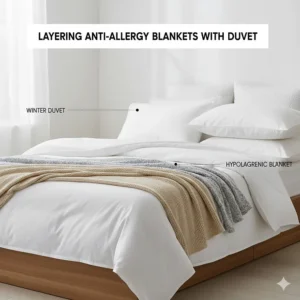
British Weather Variability: Our unpredictable climate demands flexible bedding. Multiple lightweight anti allergy throws reviews suggest layering provides better temperature control and easier washing than single heavy blankets.
Special Considerations for Children and Infants
Protecting Your Little Ones
Children often suffer more severely from dust mite allergies due to developing immune systems and closer contact with bedding (cuddling blankets, playing on beds).
Safety First:
- Ensure blankets meet UK safety standards
- Avoid loose weaves or tassels that could pose strangulation risks for infants
- Choose flame-retardant certified products
Practicality:
- Select machine-washable options withstanding frequent accidents
- Bright colours hide stains better than whites between washes
- Consider multiple blankets for rotation whilst washing
Soft Toy Management: Beloved teddies harbour dust mites too. Wash weekly at 60°C or freeze monthly if washing isn’t possible. Keep bedroom soft toys to a minimum.
FAQs
❓ Can you completely eliminate dust mites from blankets?
❓ How often should I replace anti-allergy blankets?
❓ Are expensive organic blankets worth the extra cost for dust mite allergies?
❓ Can I use fabric softener on anti-allergy blankets?
❓ Will freezing blankets kill dust mites as effectively as washing?
Conclusion: Sleep Better Starting Tonight
Finding the perfect blankets for dust mite allergy sufferers isn’t about discovering a magical cure – it’s about taking control of your sleep environment with practical, evidence-based solutions. From budget-friendly fleece throws to premium organic cotton options, the UK market offers excellent choices across all price points.
Remember these key takeaways:
- Tight weave and washability matter more than price
- Regular washing at 60°C (when possible) is essential
- Combine quality blankets with comprehensive bedroom management
- Natural and synthetic materials both work when properly maintained
- Seek medical advice if symptoms persist despite environmental modifications
The products reviewed in this guide represent the best dust mite barrier blankets currently available on Amazon.co.uk, each verified by real UK customer experiences. Whether you opt for the budget-friendly EGYPTO Luxury Fleece at £15-£25 or invest in premium Merino Wool at £50-£80, you’re taking a crucial step towards better sleep and improved wellbeing.
Don’t let dust mites control your life any longer. Start with one quality hypoallergenic blanket, establish a weekly washing routine, and experience the difference proper bedding can make. Your mornings will thank you.
Recommended for You
- 7 Best Hypoallergenic Blankets UK 2026 (Expert Tested)
- 7 Best Cable Knit Throws UK 2026: Cosy Comfort Guide
- 7 Best Recycled Fleece Blankets UK 2026 – Eco-Friendly & Cosy
Disclaimer: This article contains affiliate links. If you purchase products through these links, we may earn a small commission at no additional cost to you. Prices shown are approximate and may vary. Always consult healthcare professionals regarding medical conditions and treatments. The information provided is for educational purposes and should not replace professional medical advice.
✨ Found this helpful? Share it with your mates! 💬🤗
