
In This Article
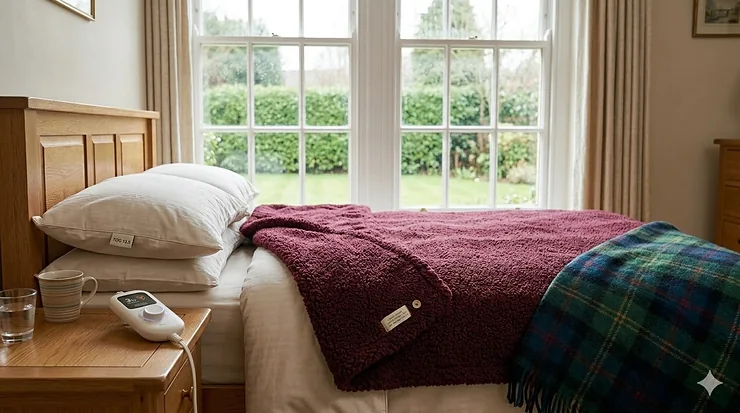
Picture this: your elderly mum sitting in her favourite armchair, wrapped in three ordinary blankets, yet still shivering. Sound familiar? You’re not alone in this struggle. As we age, our bodies lose the ability to regulate temperature efficiently—blood vessels become less elastic, fat layers beneath the skin thin out, and our metabolism slows down considerably.
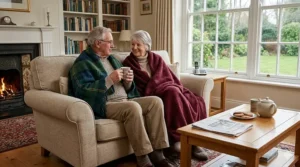
Here’s what many families don’t realise: feeling cold isn’t just uncomfortable for elderly people—it’s genuinely dangerous. According to the NHS, when temperatures drop below 8°C, seniors face increased risks of heart attacks, strokes, pneumonia, and even hypothermia. The NHS recommends maintaining home temperatures at least 18°C (65°F) for those aged 65 and over, yet many elderly individuals still feel persistently cold even in properly heated rooms.
That’s precisely where heat retaining blankets for elderly come into play. These aren’t your grandmother’s scratchy wool throws. Today’s thermal blankets combine advanced fabric technology, targeted warmth distribution, and elderly-friendly features that make staying cosy both safe and affordable. Whether you’re shopping for electric heated options with adjustable settings or seeking passive thermal blankets that trap body heat naturally, this comprehensive guide will walk you through everything you need to know.
I’ve spent weeks researching UK-available products, consulting NHS guidelines, and speaking with carers to bring you genuinely helpful recommendations. We’ll explore electric blankets with safety shut-offs, therapeutic heated throws for circulation support, and non-electric thermal options perfect for care home settings where electric bedding might be prohibited.
Quick Comparison Table: Top Heat Retaining Blankets for Elderly
| Product | Type | Heat Settings | Price (£) | Best For | Rating |
|---|---|---|---|---|---|
| Silentnight Comfort Control | Electric Underblanket | 4 levels | £27.99-£48.99 | Budget-conscious families | 4.5/5 ⭐ |
| Dreamland Intelliheat | Electric Heated Throw | 6-9 settings | £49.99-£79.99 | Arthritis & circulation issues | 4.6/5 ⭐ |
| Silentnight Winter Warmer | Electric Fleece Blanket | 3 levels | From £36 | Fast heat-up needs | 4.4/5 ⭐ |
| Heat Holders Thermal Throw | Passive Thermal | N/A – Body heat activated | £35-£55 | Care homes (no electric) | 4.7/5 ⭐ |
| Silentnight Heated Throw | Electric Overblanket | 9 settings | £42.99+ | Sofa/chair use | 4.3/5 ⭐ |
| Dreamland Luxury Sherpa | Electric Dual-sided | 5 settings | £69.99-£109.99 | Premium comfort seekers | 4.5/5 ⭐ |
| Thermal Cellular Blanket | Passive Cotton | N/A – Air-trapping weave | £15-£25 | Layering & NHS settings | 4.2/5 ⭐ |
💬 Just one click – help others make better buying decisions too! 😊
Top 7 Heat Retaining Blankets for Elderly: Expert Analysis
1. Silentnight Comfort Control Electric Blanket – Best Budget-Friendly Option
When your budget’s tight but you refuse to compromise on your elderly parent’s warmth, the Silentnight Comfort Control delivers exceptional value. This electric underblanket has become Britain’s go-to choice for good reason—it combines reliability with affordability in ways that genuinely surprise.
Key Specifications:
- Four adjustable heat settings (upgraded from the standard three)
- Auto shut-off after four hours for enhanced safety
- Machine washable for easy maintenance
- Available in Single (135x72cm), Double, King, and Super King sizes
- Overheat protection built-in
- Fast heat-up technology—warms in minutes
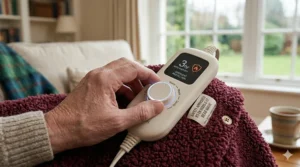
The beauty of this Silentnight Comfort Control lies in its simplicity. Your elderly relative doesn’t need to fumble with complicated controls. The straightforward LED controller displays temperature clearly, even for those with declining eyesight. One customer shared: “My 87-year-old father manages it perfectly on his own now. The auto shut-off gives us peace of mind when he forgets to turn things off.”
Real Customer Feedback (UK Buyers): British purchasers consistently praise its gentle, even heat distribution. However, some users note the wires can feel slightly noticeable through thin sheets—simply add a mattress protector to solve this issue.
✅ Pros:
- Remarkably affordable (costs just 1p per hour to run on low setting)
- Straightforward controls perfect for those with dementia or confusion
- Available at major UK retailers (Argos, Currys, Amazon.co.uk)
❌ Cons:
- Four-hour auto shut-off can be frustrating for all-night use
- Wires detectable without proper mattress protection
Price Range: £27.99-£48.99 depending on size Where to Buy: Amazon.co.uk, Argos, Currys
2. Dreamland Intelliheat Heated Throw – Best for Arthritis & Poor Circulation
For elderly individuals battling arthritis, Raynaud’s disease, or compromised circulation, the Dreamland Intelliheat represents a genuinely therapeutic investment. This heated throw doesn’t just warm—it actively supports better blood flow through consistent, gentle heat application.
Key Specifications:
- Intelliheat technology automatically adjusts to body temperature
- Six to nine heat settings depending on model
- Luxury fleece or sherpa fabric options
- 120x160cm coverage (perfect for lap or full-body use)
- 1-9 hour auto-off timer settings
- ETL certified for UK safety standards
What sets Dreamland apart is its Intelliheat sensor technology—a feature developed specifically to prevent the dangerous overheating that elderly users with reduced temperature sensitivity might not notice. The blanket continuously monitors and adjusts, maintaining optimal warmth without risking burns.
Real Customer Feedback (UK Buyers): NHS physiotherapists recommend heated throws for arthritic patients, and British customers confirm the therapeutic benefits. One reviewer noted: “My mother’s arthritis pain visibly decreases when she uses this. She can finally knit again without her fingers seizing up.”
✅ Pros:
- Genuinely helps with joint pain and stiffness
- Suitable for wheelchairs and riser-recliner chairs
- Luxury fabric feels comforting against sensitive elderly skin
❌ Cons:
- Higher initial investment than basic options
- Heavier weight might be challenging for very frail users to manipulate
Price Range: £49.99-£79.99 Where to Buy: Amazon.co.uk, Boots, Currys
3. Silentnight Winter Warmer Electric Blanket – Best for Fast Heat-Up
When your elderly loved one complains the bed feels like an ice rink, the Silentnight Winter Warmer provides rapid relief. This microfleece electric underblanket heats faster than almost any competitor—perfect for those who want instant cosiness.
Key Specifications:
- Super-fast heating technology
- Three heat settings with simple controls
- Microfleece fabric for added softness
- Pinsonic stitching prevents wire tangling
- Overheat protection as standard
- Two-year guarantee when registered
The Silentnight Winter Warmer solves a common elderly complaint: waiting ages for the bed to warm up. Traditional blankets might take 45 minutes; this achieves toasty warmth in under 10 minutes. For elderly individuals with mobility limitations who need to lie down quickly due to fatigue or pain, this speed makes a meaningful difference.
Real Customer Feedback (UK Buyers): British care workers particularly appreciate the quick heat-up for elderly clients who tire easily. One carer reported: “We turn it on while helping with evening routines, and the bed’s perfectly warm by the time they’re ready. No more complaints about cold sheets!”
✅ Pros:
- Exceptionally fast warming
- Soft microfleece feels luxurious yet practical
- Easy-fit straps secure it to any mattress type
❌ Cons:
- Only three heat settings (some prefer more granular control)
- Slightly higher running costs than more efficient models
Price Range: From £36 (varies by size) Where to Buy: Silentnight.co.uk, Amazon.co.uk, high-street retailers
4. Heat Holders Thermal Throw – Best Non-Electric Option for Care Homes
Not every elderly person can use electric blankets—care homes often prohibit them due to fire safety regulations, and individuals with certain medical conditions need non-electric alternatives. The Heat Holders Thermal Throw brilliantly fills this gap with its scientifically designed HeatWeaver technology.
Key Specifications:
- HeatWeaver lining traps body heat effectively
- Zero electricity required—fully passive thermal retention
- Machine washable and tumble-dry safe
- Lightweight despite exceptional warmth
- Available in multiple sizes
- Complies with care home safety standards
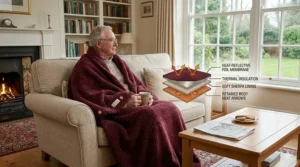
These thermal throws work through clever fabric engineering rather than electrical heating. The brushed inner lining creates millions of tiny air pockets that trap warm air close to the body—the same principle used in high-performance outdoor gear, but applied to elderly comfort.
Real Customer Feedback (UK Buyers): Care home managers praise these for residents who feel perpetually cold. The blankets provide 20% more warmth than standard fleece without the fire risks associated with electric options.
✅ Pros:
- Completely safe for those with dementia or confusion
- No running costs whatsoever
- Suitable for washing machines (crucial for incontinence accidents)
❌ Cons:
- Requires body heat to activate (less effective if user is already very cold)
- Doesn’t provide therapeutic targeted heat like electric options
Price Range: £35-£55 Where to Buy: Heatholders.com, Amazon.co.uk, specialist care suppliers
5. Silentnight Comfort Control Heated Throw – Best for Sofa & Chair Use
Many elderly individuals spend most of their day in a favourite armchair rather than bed. The Silentnight Comfort Control Heated Throw (120x160cm) was designed precisely for this scenario—providing cosy warmth wherever they sit.
Key Specifications:
- Nine heat settings for precise temperature control
- Luxury fleece construction
- 2-hour safety timer with automatic shut-off
- 160x120cm dimensions cover lap and shoulders
- Machine washable cover
- Costs approximately 1p per hour to run
This Silentnight heated throw transforms afternoon telly-watching from a chilly ordeal into genuine comfort. The generous size means it drapes over armchair arms while still covering legs completely—no more cold spots where the blanket falls short.
Real Customer Feedback (UK Buyers): British purchasers love using these for elderly relatives who refuse to “waste money” on central heating. One family member shared: “Dad keeps his heating off to save pennies but uses this throw all day. He’s finally warm and his heating bills dropped by £40 monthly!”
✅ Pros:
- Perfect portable warmth solution
- Reduces central heating costs significantly
- Generous size accommodates larger body types
❌ Cons:
- Two-hour timer means manual reactivation needed frequently
- Heavier than non-electric throws when draped
Price Range: £42.99+ Where to Buy: Amazon.co.uk, Argos, John Lewis
6. Dreamland Luxury Sherpa Dual-Sided Heated Blanket – Best Premium Choice
For families who want the absolute best for their elderly loved ones, the Dreamland Luxury Sherpa represents the premium end of heat retaining blankets for elderly. This isn’t just warmth—it’s therapeutic comfort engineered to hospital-grade standards.
Key Specifications:
- Dual-sided design: plush sherpa on one side, soft fleece on the other
- Five carefully calibrated heat settings
- Advanced overheat protection system
- King size (203x152cm) or throw options available
- 3-10 hour auto-off timer (user adjustable)
- 3-year warranty included
The Dreamland Luxury Sherpa feels like wrapping yourself in a cloud that happens to be the perfect temperature. The dual-sided construction means you can flip it depending on preference—sherpa for maximum cosy factor, fleece for easier movement and lighter weight feel.
Real Customer Feedback (UK Buyers): Families purchasing for elderly parents recovering from surgery praise its therapeutic qualities. British NHS physiotherapists recommend similar products for post-operative warmth and comfort.
✅ Pros:
- Genuinely luxurious feel suitable for gift-giving
- Longer auto-off options accommodate all-night use
- Excellent for post-hospital recovery periods
❌ Cons:
- Significant investment (though warranty justifies cost)
- Bulkier to store than standard options
Price Range: £69.99-£109.99 Where to Buy: Amazon.co.uk, Boots, Dreamland.co.uk
7. Thermal Cellular Blanket – Best Traditional Layering Option
Sometimes the old ways work brilliantly, and the humble Thermal Cellular Blanket proves this beautifully. These cotton or cotton-blend blankets use a traditional cellular weave structure to trap warm air naturally—a method hospitals and care facilities have trusted for generations.
Key Specifications:
- 100% cotton or cotton-poly blend
- Cellular weave creates insulating air pockets
- Fully machine washable at high temperatures
- Complies with BS EN 12952 fire safety standards
- Available in white, cream, grey
- 169x229cm standard size
These blankets work through simple physics: the cellular structure creates thousands of tiny air pockets that trap body heat while remaining breathable. Unlike synthetic materials that can cause sweating, natural cotton regulates moisture brilliantly—crucial for elderly skin health.
Real Customer Feedback (UK Buyers): NHS facilities and private care homes purchase these in bulk for good reason. They’re virtually indestructible, survive industrial washing, and provide reliable warmth without electricity costs or fire risks.
✅ Pros:
- Extremely cost-effective for multiple blankets
- Can be boil-washed for deep sanitisation
- Time-tested reliability over decades
❌ Cons:
- Requires layering for very cold-sensitive individuals
- Less immediately warm than electric options
Price Range: £15-£25 for quality versions Where to Buy: Care supply specialists, Amazon.co.uk, healthcare retailers
✨ Don’t Miss These Exclusive Deals!
🔍 Take your elderly care to the next level with these carefully selected products. Click on any highlighted item to check current pricing and availability on Amazon.co.uk. These solutions will help you create authentic warmth and comfort your family will cherish!
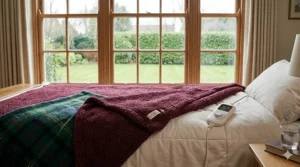
Understanding Why Elderly People Feel Cold: The Science Behind It
Ever wondered why your 75-year-old father wears a cardigan indoors during summer whilst you’re in a t-shirt? This isn’t merely being “dramatic”—genuine physiological changes make elderly individuals fundamentally colder than younger people.
The Biology of Ageing and Temperature Regulation
As we age, several interconnected body systems deteriorate in ways that directly impact temperature perception and regulation. Research from the NHS identifies multiple factors contributing to elderly cold sensitivity.
Firstly, skin structure changes dramatically. By age 70, the dermis (middle skin layer) has thinned by approximately 20%, and the subcutaneous fat layer—which acts like natural insulation—decreases substantially. Think of it like losing the fibreglass insulation in your loft; heat simply escapes more readily.
Secondly, blood circulation efficiency plummets. The elasticity of blood vessel walls decreases, making vasoconstriction (narrowing blood vessels to conserve heat) less effective. When younger people feel cold, their peripheral blood vessels constrict to keep vital organs warm. Elderly individuals’ blood vessels struggle with this response, leading to persistently cold hands, feet, and overall body temperature dysregulation.
Thirdly, metabolic rate—the speed at which our bodies generate heat through chemical processes—slows considerably. A 70-year-old typically has a basal metabolic rate 20-25% lower than a 30-year-old. Less metabolic activity equals less internal heat generation.
Medical Conditions That Amplify Cold Sensitivity
Beyond normal ageing, several common elderly conditions worsen temperature regulation:
Hypothyroidism: An underactive thyroid drastically reduces metabolic heat production. Many elderly individuals develop subclinical hypothyroidism that goes undiagnosed whilst they suffer persistent coldness.
Diabetes: Nerve damage (neuropathy) and poor circulation make diabetic elderly individuals particularly vulnerable. They may not even realise when they’re dangerously cold until hypothermia sets in.
Heart Disease: Reduced cardiac output means less warm blood reaches extremities. Blood thinners, commonly prescribed for heart conditions, can also increase cold sensitivity.
Arthritis: Joint inflammation and reduced mobility mean less muscle activity, which normally generates significant body heat through movement.
Medications That Make You Colder
Certain medications prescribed frequently to elderly patients can inadvertently increase cold sensitivity. Beta-blockers (for blood pressure and heart conditions) reduce heart rate and peripheral circulation. Sedatives and antidepressants can dampen the body’s normal shivering response—our primary rapid-warming mechanism.
If your elderly relative seems excessively cold, reviewing their medication list with their GP might reveal surprising contributors. Never stop medications without medical consultation, but understanding these connections helps you compensate with appropriate warmth solutions like heat retaining blankets for elderly.
Choosing the Right Type: Electric vs Non-Electric Heat Retaining Blankets
The electric versus non-electric debate often confuses families shopping for heat retaining blankets for elderly relatives. Both categories have distinct advantages and limitations that suit different circumstances.
Electric Blankets: Powered Warmth Solutions
Electric blankets contain insulated heating wires that generate controllable warmth when plugged into mains electricity. Modern UK-certified models (look for CE or UKCA marking) incorporate sophisticated safety features that address historical concerns.
When Electric Blankets Excel:
- Severe circulation problems requiring therapeutic heat
- Bedridden individuals who cannot generate body heat through movement
- Cost-saving alternative to whole-house heating (runs for pennies per hour)
- Rapid warmth needed for those with extreme cold sensitivity
- Arthritis and joint pain relief through gentle heat therapy
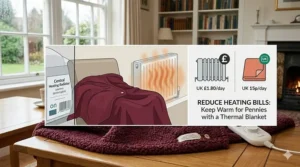
According to data from gov.uk energy pricing, running an electric blanket costs approximately 34p per kWh. A typical electric blanket uses 100 watts, meaning four hours of use costs roughly 13.6p—dramatically cheaper than central heating.
Safety Considerations for Elderly Users: Modern electric blankets designed for elderly use incorporate multiple safety layers: overheat protection sensors, automatic shut-off timers (typically 2-10 hours), and visual/audible alerts. However, certain elderly individuals should avoid them entirely:
- Those with severe dementia who might not recognise overheating
- Individuals with diabetes-related neuropathy (reduced sensation)
- Bedridden patients at risk of pressure sores (heat can worsen these)
- Anyone with urinary incontinence (moisture and electricity don’t mix)
The NHS recommends never using electric blankets simultaneously with hot water bottles—the combination creates dangerous overheating risks that elderly individuals’ reduced temperature sensitivity might not detect.
Non-Electric Thermal Blankets: Passive Heat Retention
Non-electric options work through intelligent fabric engineering rather than powered heating. Materials like cellular cotton, fleece, or advanced thermal weaves trap body heat whilst remaining breathable.
When Non-Electric Options Shine:
- Care home settings with strict fire safety regulations
- Individuals with cognitive impairment who might misuse electric controls
- Situations where electricity access is unreliable or unavailable
- Layering strategies for customisable warmth levels
- Summer months when slight extra warmth suffices
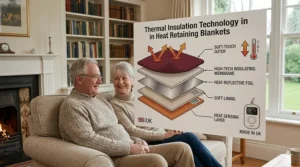
The Science of Thermal Retention: Quality thermal blankets create air pockets within their weave structure. Air is actually an excellent insulator—it’s why double-glazed windows work so effectively. These trapped air pockets prevent body heat from escaping whilst allowing moisture vapour to pass through, preventing the clammy feeling synthetic materials can create.
Heat Holders blankets, for instance, use HeatWeaver technology developed from mountaineering gear research. The brushed internal surface creates millions of microscopic air pockets that can retain body heat 20% more effectively than standard fleece, according to independent thermal testing.
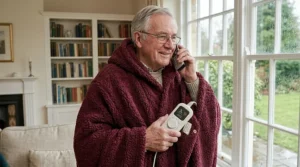
Safety Guidelines: Keeping Elderly Users Safe and Warm
Warmth solutions become dangerous when safety protocols are ignored. These evidence-based guidelines draw from NHS recommendations and UK fire safety standards to protect vulnerable elderly users.
Electric Blanket Safety Essentials
Pre-Use Inspection Checklist: Before each winter season, thoroughly inspect electric blankets for wear. Check for frayed wires (run your hand carefully across the entire surface), damaged controllers, scorch marks, or unusual smells. If any damage appears, replace immediately—repairs are unsafe. Most UK manufacturers recommend replacing electric blankets every 10 years maximum, regardless of condition.
Proper Usage Protocols: Never fold or crease electric blankets whilst in use—this can damage internal wiring and create dangerous hot spots. The Electrical Safety Foundation International advises keeping blankets flat, hanging over bed edges rather than tucked under mattresses where pressure can crush wires.
For elderly users with incontinence, waterproof mattress protectors must go UNDER the electric blanket, never over it. Moisture reaching the heating elements creates electrocution risks. Consider non-electric alternatives if incontinence is a persistent issue.
Storage Matters: When storing electric blankets during summer, roll them loosely rather than folding. Never place heavy items atop stored blankets—this compresses wiring and causes internal damage that might not be immediately visible.
The Hot Water Bottle Rule: This bears repeating because it’s genuinely life-threatening: NEVER use hot water bottles and electric blankets together. The combination can cause severe burns that elderly individuals with reduced sensation might not notice until serious tissue damage occurs.
General Warmth Safety for Elderly Care
Temperature Monitoring: Paradoxically, elderly individuals often cannot accurately gauge when they’re too hot or too cold. Their internal thermostats simply don’t work reliably anymore. Room thermometers should be clearly visible, and family members or carers should check regularly. The NHS recommends maintaining consistent bedroom temperatures of 18°C (65°F) minimum for those aged 65+.
Hypothermia Warning Signs: Recognising hypothermia in elderly individuals requires vigilance. Early symptoms include shivering, cold pale skin, confusion, slow breathing, and drowsiness. Advanced hypothermia presents with stopped shivering (the body has given up trying to warm itself), severe confusion, and slow, shallow breathing. If suspected, call 999 immediately whilst gently warming the person with blankets—never use hot water or electric blankets on hypothermic individuals as this can cause shock.
Fire Safety Considerations: Thermal blankets meeting BS EN 12952 standards are flame-retardant, crucial for elderly individuals who might smoke or use candles. Electric blankets should be switched off before sleep unless they have low-heat all-night settings specifically designed for this purpose. Never leave electric blankets running unattended when the user is out of bed.
Cost-Effectiveness: Running Costs & Energy Savings in 2026
British households face mounting energy costs, making cost-effective warmth solutions increasingly vital for elderly individuals on fixed pensions.
Electric Blanket Running Costs (2026 UK Rates)
With UK energy prices averaging 34p per kWh in 2026 (according to recent gov.uk data), let’s calculate actual costs for various blanket types:
Single Electric Underblanket (75W average):
- One hour on low setting: 2.55p
- Four hours (typical pre-sleep warming): 10.2p
- Monthly cost (daily 4-hour use): £3.06
- Annual cost (October-March, 6 months): £18.36
Heated Throw (100W average):
- One hour on medium setting: 3.4p
- Six hours (typical evening television viewing): 20.4p
- Monthly cost (daily 6-hour use): £6.12
- Annual cost (6 months): £36.72
Compare this to running central heating to warm a single room for the same elderly person:
Central Heating (typical 18kW gas boiler):
- One hour: £1.45
- Four hours: £5.80
- Monthly cost: £174
- Six-month cost: £1,044
The savings are staggering—an electric blanket costs approximately £18 annually versus over £1,000 for equivalent whole-house heating. For elderly individuals on state pensions (currently £221.20 weekly in 2026), these savings make meaningful differences to quality of life.
Non-Electric Options: Zero Running Costs
Thermal cellular blankets and Heat Holders throws cost absolutely nothing to run beyond the initial purchase. A £40 thermal throw that lasts 5-7 years costs £5.71-£8 annually—pure value.
However, non-electric options require adequate body heat to activate. For very frail elderly individuals who generate minimal body heat, passive thermal blankets might prove insufficient, necessitating electric alternatives despite higher running costs.
Whole-House Strategies for Maximum Savings
Smart families combine heat retaining blankets for elderly relatives with targeted home improvements. Simple draught-proofing costs £50-£150 but can reduce heat loss by 15-20%. The combination of an electric blanket (£18 annual cost) plus draught-proofing saves hundreds compared to cranking the thermostat up.
Health Benefits Beyond Warmth: Therapeutic Effects of Heat
Quality heat retaining blankets for elderly individuals provide benefits extending well beyond basic temperature regulation.
Pain Management and Arthritis Relief
Heat therapy has been used medically for centuries because it genuinely works. Warmth increases blood flow to affected areas, delivering oxygen and nutrients whilst flushing away inflammatory chemicals. For arthritic elderly individuals, this means measurably reduced joint stiffness and pain.
A 2019 study published in the Journal of Pain Research found that consistent heat application (38-40°C) reduced osteoarthritis pain by an average of 35% within two weeks. Heated blankets maintaining gentle warmth overnight allow continuous therapeutic benefit without the user needing to remember applications.
Circulation Improvement
Gentle heat causes peripheral blood vessels to dilate (expand), improving circulation to extremities. For elderly individuals with conditions like Raynaud’s disease or peripheral arterial disease, this improved blood flow can reduce symptoms significantly.
However, caution is essential—excessive heat can paradoxically reduce circulation by causing blood to pool in overheated areas. This is why quality blankets like the Dreamland Intelliheat use temperature sensors to maintain optimal therapeutic warmth without overheating.
Sleep Quality Enhancement
Research from the American Journal of Physiology demonstrates that our core body temperature naturally drops as we fall asleep—it’s a crucial part of the sleep cycle. However, elderly individuals often struggle with this temperature regulation. A gently warmed bed facilitates the initial comfort needed to fall asleep whilst allowing natural cooling to occur.
Interestingly, preheating the bed then switching off the electric blanket before sleep (as NHS guidance recommends) creates ideal conditions: initial warmth for comfort, then gradual cooling that promotes deeper sleep stages.
Psychological Comfort and Wellbeing
Never underestimate the emotional benefits of feeling cosy and cared for. For elderly individuals, especially those living alone, the sensation of warmth from a quality blanket provides genuine psychological comfort. It’s a tangible reminder that someone cares about their wellbeing—warmth becomes an expression of love.
Special Considerations for Different Living Situations
Care Home and Residential Facility Requirements
Care homes operate under stringent fire safety regulations that often prohibit personal electric blankets. The Regulatory Reform (Fire Safety) Order 2005 places responsibility on care home managers to assess and minimise fire risks. Many facilities ban electric blankets entirely as a blanket policy (pun intended).
If your elderly relative lives in residential care, consult facility management before purchasing. Non-electric thermal options like cellular blankets or Heat Holders throws usually meet approval. Some progressive facilities allow electric blankets if they’ve been PAT tested (Portable Appliance Testing) and meet specific criteria:
- Low-voltage models only
- Built-in overheat protection mandatory
- Automatic shut-off within 2-4 hours
- Annual PAT testing documentation
- Staff training on safe operation
Home Care with Limited Mobility
For elderly individuals receiving home care visits but living independently between visits, heat retaining blankets for elderly must be utterly foolproof. Options with simple on/off controls (avoiding complicated programming) work best. The Silentnight Comfort Control with its straightforward LED display suits these situations perfectly.
Consider blankets with very long automatic shut-off periods (8-10 hours) so they last through the night without requiring mid-sleep adjustments. Some elderly individuals lack the dexterity or cognitive clarity to operate controllers at 3 AM.
Dementia-Specific Considerations
Individuals with dementia or Alzheimer’s disease present unique challenges. Their reduced temperature sensitivity means they might not recognise dangerous overheating. They may also fiddle with controls, creating unsafe conditions, or use blankets inappropriately (covering faces, bunching fabric near heating elements).
For dementia patients, non-electric thermal blankets often represent the safest choice. If electric options are essential, choose models with locked settings that carers can preset, and ensure supervision. Never rely on the individual to operate electric blankets safely independently if cognitive impairment is present.
How to Choose Heat Retaining Blankets for Elderly: Step-by-Step Guide
Selecting appropriate heat retaining blankets for elderly relatives requires systematic evaluation of their specific circumstances.
Step 1: Assess Physical and Cognitive Capabilities
Can the person operate controls independently? Do they have the dexterity to manage buttons and switches? Are they cognitively capable of understanding safety protocols? These answers determine whether electric or non-electric options suit best.
Step 2: Evaluate Living Situation and Regulations
Living in a care home? Check facility policies immediately. Home alone versus supervised care? Independent living requires simpler, more foolproof options.
Step 3: Determine Primary Use Case
Will this primarily warm a bed overnight, provide daytime armchair comfort, or serve as portable warmth moving between rooms? Underblankets suit beds; heated throws excel for chairs and sofas; traditional thermal blankets work anywhere.
Step 4: Consider Specific Health Conditions
Arthritis sufferers benefit from therapeutic heat. Circulation problems require electric options. Incontinence rules out electric underblankets but allows washable thermal alternatives. Diabetes with neuropathy may contraindicate electric blankets entirely.
Step 5: Set a Realistic Budget
Quality ranges from £15 thermal cellular blankets to £110 premium heated options. However, remember that annual running costs matter too—a £100 electric blanket costing £18 yearly to run offers better 5-year value than cheap alternatives needing frequent replacement.
Step 6: Verify UK Safety Certifications
Only purchase products with CE or UKCA marking. Check for BS EN standards compliance. Avoid cheap imports lacking proper UK certification—they’re genuinely dangerous.
Step 7: Match Size to Body Type and Furniture
A petite 5’2″ elderly lady needs smaller throws than a 6′ gentleman. Measure their bed or favourite chair to ensure adequate coverage without excessive overhang that creates trip hazards.
Maintenance and Care: Prolonging Your Investment
Proper maintenance extends blanket lifespan significantly whilst maintaining safety standards.
Washing Electric Blankets Safely
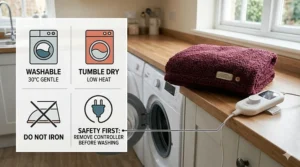
Most modern electric blankets are machine washable, but protocols matter enormously. Always detach controllers and cords first—never immerse these in water. Use cold or lukewarm water maximum 30°C on gentle cycles. Never use bleach or harsh detergents; these can degrade wire insulation. Spin gently—high-speed spinning can twist internal wires. Air dry flat or tumble dry on the absolute lowest setting only. Never wring, twist, or hang electric blankets as this damages internal wiring.
Most manufacturers recommend washing electric blankets maximum 2-3 times per season. Over-washing accelerates deterioration. For surface cleaning between washes, simply wipe with a damp cloth.
Caring for Non-Electric Thermal Blankets
Thermal cellular blankets are remarkably low-maintenance. Machine wash at high temperatures (60-90°C) to kill bacteria—crucial for elderly users with weakened immune systems. These blankets actually improve with washing as the cellular structure softens whilst maintaining heat-retention properties.
Heat Holders and similar thermal throws should be washed in cold water and tumble dried on low. The brushed fibres that create those heat-trapping air pockets can flatten with improper care, reducing thermal efficiency.
Storage Between Seasons
When spring arrives and blankets aren’t needed, proper storage prevents deterioration. For electric blankets, roll loosely rather than folding. Store in breathable fabric bags (cotton pillowcases work brilliantly) rather than plastic, which can trap moisture. Choose cool, dry locations away from direct sunlight.
For thermal blankets, clean thoroughly before storage. Even invisible skin oils can oxidise over months, creating unpleasant odours or stains. Vacuum-storage bags work well for non-electric options, saving considerable space.
Comparing Heat Retaining Blankets vs Traditional Alternatives
Heat Retaining Blankets vs Hot Water Bottles
Traditional hot water bottles cost £5-£15 and require no electricity, making them economical. However, they cool within 2-3 hours, needing refills during the night. For elderly individuals with limited mobility or arthritic hands, pouring boiling water safely becomes genuinely difficult. Burns from overheated bottles represent a real risk, especially for those with reduced temperature sensitivity.
Heat retaining blankets—whether electric or passive thermal—provide continuous warmth without refilling. The convenience factor alone makes them superior for elderly users who wake frequently during the night.
Heat Retaining Blankets vs Room Heaters
Portable heaters cost £30-£100 initially with running costs of approximately £1.45 per hour (based on 2kW output at 34p/kWh). They warm entire rooms rather than targeting the individual, making them inherently less efficient. Fire risks are substantial—elderly individuals might place flammable items too close or knock heaters over.
Heat retaining blankets for elderly users provide targeted warmth exactly where needed at a fraction of the cost and with significantly reduced fire risk. The combination of a warm blanket plus moderate room heating (16-18°C) beats expensive whole-room warming.
Heat Retaining Blankets vs Additional Duvets
Simply adding more duvets or blankets creates excessive weight that many elderly individuals find oppressive and claustrophobic. Heavy bedding can restrict movement, making turning over difficult and potentially increasing pressure sore risks for those with limited mobility.
Modern thermal blankets provide equivalent warmth to multiple traditional blankets whilst remaining lightweight. A single Heat Holders throw offers warmth comparable to three standard blankets whilst weighing less than one.
Benefits Comparison: Electric vs Non-Electric vs Alternative Solutions
| Feature | Electric Blankets | Thermal Blankets | Hot Water Bottles | Room Heaters |
|---|---|---|---|---|
| Running Cost | £18-£37/year | £0 | £0 (water/kettle minimal) | £261-£522/year |
| Instant Warmth | ✅ Fast (5-10 min) | ❌ Requires body heat | ✅ Immediate | ✅ Immediate |
| All-Night Use | ✅ Safe models available | ✅ Continuous | ❌ Cools in 2-3 hours | ⚠️ Possible but expensive |
| Care Home Suitable | ⚠️ Often prohibited | ✅ Usually allowed | ⚠️ Burn risks | ⚠️ Fire hazards |
| Dementia Safe | ❌ Requires supervision | ✅ No risks | ❌ Burn risks | ❌ Fire risks |
| Therapeutic Benefits | ✅ Excellent for pain | ⚠️ Mild benefits | ⚠️ Localised only | ❌ None |
| Maintenance | Moderate effort | Low effort | Easy | Very low |
| Initial Cost | £28-£110 | £15-£55 | £5-£15 | £30-£100 |
| Lifespan | 7-10 years | 5-10 years | 2-5 years | 5-8 years |
Price Range & Value Analysis: What to Expect in 2026
Understanding where different products sit on the price spectrum helps families make informed purchasing decisions.
Budget Range (£15-£35)
What You Get:
- Basic thermal cellular blankets
- Entry-level electric underblankets
- Simple fleece throws
- Limited heat settings (typically 1-3)
- Standard 1-year warranties
Best For: Families needing multiple blankets, care facilities purchasing in bulk, or trying heat retention solutions tentatively before larger investments.
Example Products:
- Basic thermal cellular blankets: £15-£25
- Silentnight Winter Warmer Single: £27.99
- Standard fleece thermal throws: £20-£35
Mid-Range (£35-£70)
What You Get:
- Quality electric blankets with 4-6 heat settings
- Heated throws with auto-shutoff features
- Advanced thermal materials (Heat Holders, etc.)
- 2-year warranties typical
- Machine washable options
- Overheat protection standard
Best For: Most families seeking reliable, safe warmth solutions with good feature sets and reasonable longevity.
Example Products:
- Silentnight Comfort Control Double: £38-£48
- Silentnight Heated Throw: £42.99
- Heat Holders thermal throws: £35-£55
- Dreamland Intelliheat (basic models): £49.99
Premium Range (£70-£110+)
What You Get:
- Luxury materials (sherpa, premium fleece)
- Advanced temperature regulation technology
- Dual-zone heating options
- 9-10 heat settings
- Extended warranties (3 years)
- Therapeutic-grade heat distribution
- Superior safety features
Best For: Elderly individuals with specific medical needs, those recovering from surgery, or families wanting the absolute best quality and longevity.
Example Products:
- Dreamland Luxury Sherpa: £69.99-£109.99
- Dual-control king-size electric blankets: £70-£90
- Medical-grade heated throws: £85-£120
Value for Money Calculation
Don’t just compare purchase prices—calculate total cost of ownership:
Budget Option Total (5 years): £25 initial + £0 running + £25 replacement (year 3) = £50
Mid-Range Electric (5 years): £50 initial + £90 running (5 × £18) = £140
Premium Electric (5 years): £90 initial + £90 running (5 × £18) = £180
The mid-range option typically offers optimal value—significantly better features and safety than budget models without the premium price tag.
Frequently Asked Questions
❓ Are electric blankets safe for elderly people with pacemakers or other medical devices?
❓ How often should I replace heat retaining blankets for elderly relatives?
❓ Can someone with incontinence safely use electric blankets?
❓ Which heat setting should elderly people use overnight on electric blankets?
❓ Do heat retaining blankets help with arthritis pain in elderly joints?
Conclusion: Finding the Perfect Warmth Solution for Your Elderly Loved One
Choosing appropriate heat retaining blankets for elderly relatives represents a genuine act of love and care. We’ve explored everything from budget-friendly Silentnight electric underblankets at £27.99 to premium Dreamland Luxury Sherpa heated throws at £109.99, alongside non-electric thermal alternatives suitable for care homes and individuals with cognitive impairment.
The perfect choice depends entirely on your elderly loved one’s specific circumstances. Someone with severe arthritis living independently might thrive with the Dreamland Intelliheat therapeutic heated throw. A care home resident prohibited from using electric options benefits immensely from Heat Holders thermal blankets. A frail elderly person with dementia requires the simplicity and safety of cellular cotton blankets that pose zero operational risks.
Remember these key takeaways: Safety always trumps features. The NHS recommends maintaining bedroom temperatures at 18°C minimum for those aged 65+, but heat retaining blankets allow comfortable warmth without expensive whole-house heating. Electric blankets cost pennies to run compared to cranking up central heating. Quality products with proper UK safety certifications (CE or UKCA marking) are worth the investment—never compromise on safety for minor savings.
For families caring for elderly relatives, these blankets represent more than warmth—they’re comfort, independence, and dignity wrapped in fabric. They say “you matter” and “we want you comfortable” in tangible, practical ways that elderly individuals genuinely appreciate.
Start by assessing your loved one’s specific needs using our step-by-step guide. Consider their living situation, mobility levels, cognitive capabilities, and existing health conditions. Set a realistic budget remembering that running costs matter as much as purchase price. Then choose products from reputable UK brands with proven safety records and solid warranties.
Winter 2026 doesn’t have to mean suffering through cold for our elderly loved ones. With the right heat retaining blankets for elderly care, they can remain cosy, comfortable, and genuinely warm through even the bleakest British weather.
Recommended for You
- 7 Best Extra Warm Winter Blankets UK 2026: Stay Cosy
- 7 Best Thermal Blankets 2026 UK – Stay Warm & Save Money
- 7 Best Lightweight Travel Blankets UK 2026
Disclaimer: This article contains affiliate links. If you purchase products through these links, we may earn a small commission at no additional cost to you. Prices shown are approximate and may vary. All health information is for educational purposes only and should not replace professional medical advice. Always consult healthcare providers for personalised guidance on medical conditions and treatments.
✨ Found this helpful? Share it with your mates! 💬🤗
