
In This Article
Waking up with itchy, irritated skin shouldn’t be part of your morning routine, yet for millions across the UK, it’s an unwelcome reality. Your blanket might be the culprit. If you’ve been battling unexplained skin reactions, eczema flare-ups, or nighttime discomfort, it’s time to examine what’s wrapped around you each night.

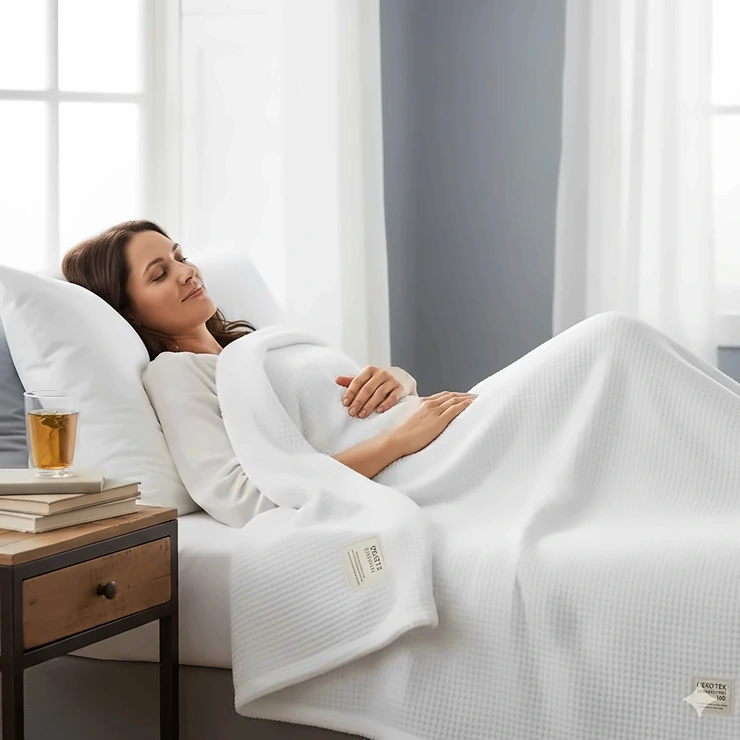
Hypoallergenic blankets for sensitive skin represent a game-changing solution for those who find traditional bedding triggers unwanted reactions. Unlike conventional throws that may harbour dust mites, chemicals, and synthetic irritants, these specialist blankets are crafted from materials specifically chosen to minimise allergic responses whilst providing cosy comfort.
The UK market has witnessed a remarkable surge in demand for sensitive skin friendly throws uk, with dermatologically tested blankets now becoming essential household items rather than luxury purchases. Research from the National Eczema Society indicates that approximately one in five UK adults experiences some form of skin allergy, making the choice of bedding far more than a mere comfort consideration.
What makes these blankets truly special? They’re manufactured using OEKO-TEX certified materials, chemical free processing, and natural fibres that allow your skin to breathe throughout the night. Whether you’re seeking soft hypoallergenic fleece blankets or natural cotton alternatives, understanding the science behind irritation free bedding will transform your sleep quality and skin health.
Quick Comparison Table
| Product | Material | Price Range | OEKO-TEX | Best For | Rating |
|---|---|---|---|---|---|
| Bedsure Flannel Fleece | 100% Microfibre | £18.54-£25.99 | ✓ | Budget-conscious buyers | 4.7/5 |
| Bedsure Sherpa Fleece | Dual-layer Microfibre | £19.54-£29.99 | ✓ | Year-round comfort | 4.6/5 |
| Bamboo Viscose Throw | Bamboo Rayon | £24.99-£39.99 | ✓ | Moisture-wicking needs | 4.5/5 |
| Organic Cotton Blanket | 100% Organic Cotton | £35.00-£55.00 | ✓ | Chemical sensitivity | 4.8/5 |
| Weighted Bamboo Blanket | Bamboo blend | £37.99-£52.99 | ✓ | Anxiety & sensory needs | 4.4/5 |
| Cotton Waffle Throw | Cotton/Bamboo Mix | £29.99-£44.99 | ✓ | Temperature regulation | 4.6/5 |
| Luxury Merino Wool | 100% Merino Wool | £65.00-£95.00 | ✓ | Premium natural fibres | 4.7/5 |
💬 Just one click – help others make better buying decisions too! 😊
✨ Don’t Miss These Exclusive Deals!
🔍 Take your bedding comfort to the next level with these carefully selected products. Click on any highlighted item to check current pricing and availability on Amazon.co.uk. These blankets will help you create authentic irritation-free sleep your family will love!
Top 7 Hypoallergenic Blankets for Sensitive Skin: Expert Analysis
1. Bedsure Flannel Fleece Throw Blanket
Winner of the 2025 Good Housekeeping Best Bedding Award, the Bedsure Flannel Fleece Throw has earned its reputation through rigorous testing and overwhelmingly positive customer feedback. Crafted from 100% premium microfibre polyester, this blanket delivers exceptionally soft comfort whilst maintaining OEKO-TEX Standard 100 certification.
Key Specifications:
- Material: 100% microfibre polyester
- Available sizes: 150x200cm (Double/Twin), 180x220cm (King)
- Weight: 280gsm for optimal warmth
UK customers consistently praise its velvety texture, with over 106,000 five-star reviews on Amazon highlighting its durability through multiple washes. The blanket maintains its plushness even after frequent laundering, a crucial factor for those managing sensitive skin conditions that require regular bedding changes.
Pros:
✅ Exceptional softness maintained after washing
✅ OEKO-TEX certified free from harmful substances
✅ Outstanding value at current pricing
Cons:
❌ May feel slightly thin for extreme cold
❌ Initial pilling reported by some users (resolves quickly)
Price: £18.54-£25.99 | Available on Amazon.co.uk
2. Bedsure Sherpa Fleece Blanket
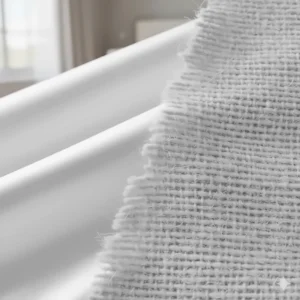
For those seeking ultimate cosiness, the Bedsure Sherpa Fleece Blanket offers dual-sided luxury. This reversible design features velvety flannel on one side and incredibly soft Sherpa on the reverse, providing versatility for varying temperature needs throughout the seasons.
Key Specifications:
- Dual-layer construction: Flannel + Sherpa
- Dimensions: 150x200cm (standard throw size)
- Global Recycled Standard (GRS) certified
With over 17,000 five-star reviews on Amazon UK, this blanket has become a household favourite. British buyers particularly appreciate its ability to provide warmth without excessive weight, making it ideal for those who overheat easily but still require hypoallergenic protection.
Pros:
✅ Reversible design for seasonal flexibility
✅ Maintains warmth without overheating
✅ Edges sewn to prevent fabric shifting
Cons:
❌ Slightly heavier than standard fleece
❌ Size descriptions can be confusing (check carefully)
Price: £19.54-£29.99 | Available on Amazon.co.uk
3. Bamboo Viscose Throw Blanket
Bamboo has emerged as a superstar material for sensitive skin, and this Bamboo Viscose Throw exemplifies why. The Japan Textile Inspection Association confirms bamboo retains 70% of its antibacterial effectiveness even after 50 industrial washes, making it exceptionally hygienic for long-term use.
Key Specifications:
- Material: 100% bamboo rayon viscose
- Thread count: 300 for durability
- Dimensions: 240x180cm (generous coverage)
Bamboo’s natural properties shine through in this throw. The fabric absorbs moisture 60% more effectively than traditional cotton, whilst its round, smooth fibres create a gentler surface that reduces skin friction. UK customers with eczema report noticeable improvements in nighttime scratching when switching to bamboo bedding.
Pros:
✅ Superior moisture-wicking (3x faster than cotton)
✅ Natural antimicrobial properties
✅ Temperature-regulating capabilities
Cons:
❌ Higher initial cost than synthetic options
❌ Requires specific washing care (cold water)
Price: £24.99-£39.99 | Available on Amazon.co.uk
4. Organic Cotton Blanket
For purists seeking chemical-free throws, this 100% Organic Cotton Blanket represents the gold standard. Certified by both OEKO-TEX and GOTS (Global Organic Textile Standard), it guarantees freedom from pesticides, harsh dyes, and chemical residues that commonly trigger skin reactions.
Key Specifications:
- 100% certified organic cotton
- Thread count: 300-350
- Multiple sizes from Single to Super King
According to the National Eczema Society, organic cotton allows skin to “breathe” effectively, preventing the overheating that often leads to scratching frenzies. The fabric’s natural temperature control mechanism proves particularly beneficial for those with flawed body temperature regulation associated with eczematous skin.
Pros:
✅ Zero chemical processing or pesticide residues
✅ Exceptionally breathable for temperature contro
✅ Suitable for the most sensitive skin conditions
Cons:
❌ Higher price point than conventional cotton
❌ May wrinkle more easily than synthetic blends
Price: £35.00-£55.00 | Available on Amazon.co.uk
5. Weighted Bamboo Blanket
Combining the therapeutic benefits of weighted bedding with hypoallergenic bamboo construction, this Weighted Bamboo Blanket offers dual functionality. The gentle pressure provides calming sensory input whilst the bamboo fabric ensures skin-friendly comfort.
Key Specifications:
- Bamboo blend outer with glass bead filling
- Weights available: 4.5kg, 6.8kg, 9kg
- OEKO-TEX certified materials throughout
UK buyers particularly appreciate this blanket’s ability to reduce nighttime anxiety without compromising skin health. The bamboo covering maintains its hypoallergenic properties whilst the evenly distributed weight promotes relaxation and deeper sleep.
Pros:
✅ Dual benefits: calming weight + hypoallergenic fabric
✅ Glass beads hypoallergenic and non-toxic
✅ Bamboo cover machine washable
Cons:
❌ Heavier to handle during washing
❌ Not suitable for very young children
Price: £37.99-£52.99 | Available on Amazon.co.uk
6. Cotton Bamboo Waffle Weave Throw
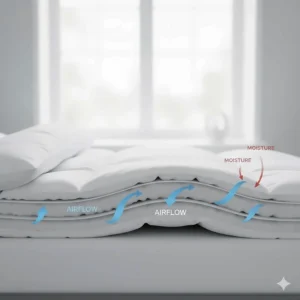
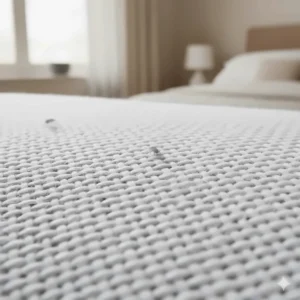
The Cotton Bamboo Waffle Weave Throw offers a sophisticated blend combining cotton’s softness with bamboo’s functional benefits. The distinctive waffle texture creates air pockets that enhance breathability whilst providing lightweight warmth.
Key Specifications:
- 50% cotton, 50% bamboo composition
- Waffle weave construction
- Dimensions: 150x200cm
This hybrid approach delivers excellent moisture management, making it ideal for those who experience night sweats or temperature fluctuations. The textured weave also adds visual interest whilst maintaining the hypoallergenic properties essential for sensitive skin.
Pros:
✅ Balanced blend of natural fibres
✅ Lightweight yet warm
✅ Highly breathable waffle construction
Cons:
❌ May snag on rough surfaces
❌ Requires gentle washing cycle
Price: £29.99-£44.99 | Available on Amazon.co.uk
7. Luxury Merino Wool Blanket
For those seeking premium natural performance, the Luxury Merino Wool Blanket represents the pinnacle of hypoallergenic bedding. Unlike standard wool that can feel scratchy, superfine Merino fibres measure less than 19 microns in diameter, creating an incredibly soft touch.
Key Specifications:
- 100% superfine Merino wool
- Weight: 400-500gsm
- Naturally resistant to dust mites and mould
Merino wool’s unique structure regulates temperature exceptionally well, keeping you cool in summer and warm in winter. Research shows wool bedding naturally resists house dust mites, making it an excellent choice for those with multiple allergies. UK customers particularly value its longevity, with proper care extending lifespan beyond 10 years.
Pros:
✅ Superior temperature regulation year-round
✅ Naturally dust mite and mould resistant
✅ Exceptional durability and longevity
Cons:
❌ Premium price point
❌ Requires specialist wool-safe washing products
Price: £65.00-£95.00 | Available on Amazon.co.uk
Understanding Hypoallergenic Materials and Sensitive Skin
The term “hypoallergenic” gets thrown around frequently in marketing materials, but what does it genuinely mean for those with sensitive skin? At its core, a hypoallergenic blanket is manufactured to minimise allergic reactions by eliminating common irritants that trigger skin responses.
Your skin serves as your body’s largest organ and primary defence barrier. When fabrics contain harsh chemicals, synthetic fibres with sharp edges, or materials that trap moisture and heat, they can disrupt this barrier function. For individuals with conditions like eczema, psoriasis, or dermatitis, this disruption manifests as itching, redness, inflammation, and discomfort.
The Science Behind Fabric Sensitivity
Research demonstrates that textile contact dermatitis affects women more frequently than men, often due to tighter-fitting clothing and exposure to more dyes and finishes. However, bedding affects everyone equally since we spend roughly one-third of our lives in bed, giving fabrics extended contact with our skin.
Natural fibres like cotton, bamboo, and wool possess inherent properties that make them gentler on sensitive skin. Cotton fibres, particularly organic varieties, allow excellent air circulation whilst absorbing moisture without trapping it against your skin. Bamboo’s round, smooth fibre structure lacks the sharp edges that cause micro-abrasions on sensitive skin.
According to Wikipedia’s textile article, the structure and processing of fibres significantly impact their hypoallergenic properties. Synthetic fibres, whilst often more durable and affordable, can trap heat and create static electricity that irritates sensitive skin.
OEKO-TEX Certification: Your Safety Guarantee
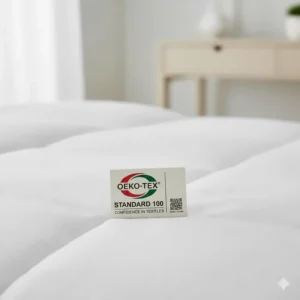
When shopping for blankets for eczema sufferers, look for OEKO-TEX Standard 100 certification. This globally recognised testing system screens textiles for over 1,000 harmful substances, including:
- Prohibited azo colourants
- Formaldehyde
- Pesticides
- Heavy metals (lead, cadmium)
- Phenols
- Per- and polyfluoroalkyl substances (PFAS)
The certification applies different standards based on intended use, with Product Class 1 (for babies and young children) requiring the strictest limits, and Product Class 2 (direct skin contact like bedding) applying rigorous but slightly less stringent requirements.
Chemical Free Throws: Why Processing Matters
Even naturally hypoallergenic materials can become problematic if processed using harsh chemicals. Conventional cotton production, for instance, involves extensive pesticide use during cultivation, followed by chemical bleaching, dyeing, and finishing treatments. These chemical residues remain in the final fabric, potentially triggering reactions in sensitive individuals.
Organic and chemical free throws avoid these issues through certified production methods. The Global Organic Textile Standard (GOTS) ensures textiles are grown without synthetic pesticides and processed using environmentally friendly techniques that don’t compromise skin safety.
How to Choose the Right Hypoallergenic Blanket
Selecting the perfect hypoallergenic blanket involves more than simply grabbing the first product labelled “suitable for sensitive skin.” Consider these essential factors to ensure your investment delivers genuine benefits:
1. Identify Your Specific Sensitivities
Not all sensitive skin reacts to the same triggers. Some individuals experience reactions to synthetic materials, whilst others find even natural fibres problematic if treated with certain dyes or finishes. Before shopping, consider:
- Heat sensitivity: Do you overheat easily at night? Opt for lightweight, breathable options like bamboo or cotton waffle weaves.
- Chemical sensitivity: Choose certified organic materials with minimal processing.
- Texture sensitivity: Some find fleece perfect, whilst others prefer smooth cotton or silk-like bamboo.
2. Understand Material Properties
Different materials excel in various areas:
Cotton:
- Highly breathable and moisture-absorbent
- Naturally hypoallergenic when organic
- Durable and easy to launder at high temperatures
- May retain moisture if humidity is high
Bamboo:
- Absorbs moisture 60% more effectively than cotton
- Natural antimicrobial properties reduce bacteria and odours
- Temperature-regulating capabilities
- Requires gentler washing care
Merino Wool:
- Excellent temperature regulation year-round
- Naturally resistant to dust mites and mould
- Wicks moisture away from skin whilst remaining dry
- Higher maintenance requirements
Microfibre Fleece (OEKO-TEX certified):
- Ultra-soft and lightweight
- Affordable entry point for testing hypoallergenic bedding
- Quick-drying and easy care
- May generate static in very dry conditions
3. Check Certification Standards
Never rely solely on marketing claims. Verify products carry recognised certifications:
- OEKO-TEX Standard 100: Tests for harmful substances
- GOTS (Global Organic Textile Standard): Ensures organic integrity and ethical production
- Allergy UK Seal of Approval: Products scientifically proven suitable for allergy sufferers
4. Consider Weight and Tog Rating
UK consumers should pay particular attention to tog ratings, which measure thermal insulation:
- 2.5-4.5 tog: Lightweight, suitable for summer or warm sleepers
- 7-10.5 tog: Medium weight for year-round use
- 13.5+ tog: Winter weight for cold rooms or those who feel chilly
For sensitive skin, lighter options often prove more comfortable as they prevent overheating, which can trigger scratching and discomfort.
5. Size Matters for Coverage
Ensure your blanket provides adequate coverage without excess bunching. UK standard sizes include:
- Single: 135x200cm
- Double: 200x200cm
- King: 225x220cm
- Super King: 260x220cm
Throws typically measure 125x150cm to 150x200cm and work brilliantly as additional layers or sofa covers.
6. Maintenance Requirements
Consider how frequently you’ll need to wash your blanket (those with sensitive skin typically require weekly laundering) and whether you can accommodate special care requirements:
- Machine washable at 60°C+: Kills dust mites effectively
- Tumble dry safe: Convenient for UK’s often damp climate
- Low maintenance fabrics: Synthetic fleece and cotton blends
- Higher maintenance: Wool, silk, and some bamboo products
7. Budget Considerations
Whilst hypoallergenic blankets represent an investment in your health, excellent options exist across price ranges:
- Budget-friendly (£15-£30): OEKO-TEX certified microfibre fleece
- Mid-range (£30-£60): Bamboo viscose, organic cotton
- Premium (£60-£100+): Merino wool, luxury organic cotton
Remember that durability factors into long-term value. A £70 Merino wool blanket lasting 10+ years costs less annually than replacing a £20 synthetic option every two years.
Benefits of Dermatologically Tested Blankets
Dermatologically tested blankets undergo rigorous evaluation to ensure they meet the needs of sensitive skin sufferers. These assessments provide tangible advantages beyond marketing assurances:
Reduced Irritation and Inflammation
Clinical testing confirms that certified hypoallergenic fabrics significantly reduce skin irritation compared to conventional alternatives. The smooth fibre structure, combined with absence of harsh chemicals, means less friction and fewer inflammatory triggers during sleep.
Improved Sleep Quality
Research from the National Eczema Society indicates that proper bedding choices dramatically improve sleep quality for those with skin conditions. When nighttime scratching decreases, sleep cycles remain uninterrupted, leading to better overall health outcomes.
Dust Mite Protection
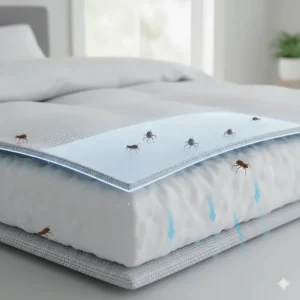
House dust mites represent one of the most common allergen sources in UK homes. According to research, one in five UK adults experiences allergic reactions to dust mite droppings. Hypoallergenic blankets, particularly those made from bamboo or merino wool, naturally resist dust mite colonisation.
Temperature Regulation
The body’s temperature control mechanism often functions imperfectly in eczematous skin, making overheating a significant trigger for scratching. Dermatologically tested blankets prioritise breathability and moisture management, helping maintain comfortable skin temperature throughout the night.
Long-term Skin Health
Consistent use of hypoallergenic bedding supports your skin’s natural barrier function. By eliminating irritants and maintaining proper moisture balance, these blankets help prevent the chronic inflammation that can lead to more severe skin conditions over time.
Peace of Mind Through Testing
Knowing your blanket has undergone independent dermatological testing provides reassurance. These products meet specific criteria established by medical professionals who understand sensitive skin requirements, not merely marketing departments seeking to appeal to consumer concerns.
Caring for Your Hypoallergenic Blanket
Proper maintenance ensures your investment continues delivering hypoallergenic benefits whilst maximising lifespan. Follow these evidence-based care guidelines:
Washing Frequency for Sensitive Skin
The NHS recommends washing bedding at least weekly for those with eczema or allergies. This frequency removes:
- Accumulated dead skin cells (dust mite food source)
- Body oils and sweat
- Environmental allergens
- Bacterial and fungal growth
For severe conditions, consider washing twice weekly or maintaining multiple blankets for rotation.
Temperature and Detergent Selection
Water Temperature:
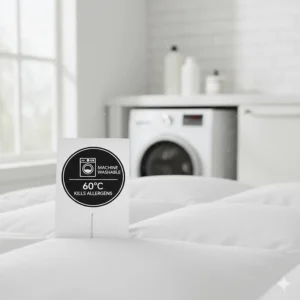
- Wash at 60°C (140°F) or above to effectively kill dust mites
- Some delicate materials (bamboo, wool) require cooler temperatures
- Check care labels carefully before washing
Detergent Choice:
- Select fragrance-free, hypoallergenic detergents
- Avoid fabric softeners (they leave residue that can irritate skin)
- Consider double-rinsing to remove all detergent traces
- Popular UK options: Surcare, Ecover Zero, Fairy Non-Bio
Drying Methods
Tumble Drying:
- High heat kills remaining dust mites
- Fluffs fibres for maintained softness
- Verify product is tumble-dry safe first
Line Drying:
- More energy-efficient and eco-friendly
- UV exposure provides natural antibacterial benefits
- Takes longer in UK’s humid climate
- May leave fabrics feeling stiff (shake vigorously before use)
Storage Solutions
When not in use:
- Store in breathable cotton bags (avoid plastic)
- Ensure completely dry before storage (prevents mildew)
- Consider cedar blocks to repel dust mites naturally
- Avoid damp areas like unheated lofts
Special Care for Different Materials
Bamboo:
- Wash in cold to warm water (maximum 40°C)
- Use gentle cycle to prevent fibre damage
- Avoid bleach and harsh chemicals
- Air dry or low heat tumble dry
Organic Cotton:
- Can withstand higher temperatures (60°C+)
- Shrinkage possible on first wash (factor into sizing)
- Iron on medium heat if desired
- Very durable and low-maintenance
Merino Wool:
- Hand wash or use wool-specific cycle
- Use wool-safe detergent only
- Never use hot water (causes felting)
- Lay flat to dry or use low-heat tumble with wool balls
Microfibre Fleece:
- Machine wash warm or cool
- Tumble dry low heat
- Avoid fabric softeners (reduces moisture-wicking)
- May develop static in dry conditions
Managing Eczema and Skin Conditions with Proper Bedding
Living with eczema or other skin conditions requires a holistic approach, and bedding choices play a surprisingly significant role. Beyond selecting hypoallergenic materials, consider these evidence-based strategies:
The Dust Mite Connection
House dust mites thrive in UK homes, feeding on dead skin cells and flourishing in mattresses, pillows, and blankets. Their microscopic droppings contain proteins that trigger allergic responses in susceptible individuals.
According to the Wrightington, Wigan and Leigh NHS Foundation Trust, special anti-house dust mite mattress and bedding covers can be worth trying if your child’s (or your own) eczema remains poorly controlled despite other interventions.
Practical Dust Mite Control:
- Wash bedding weekly at 60°C or above
- Use allergen-proof mattress and pillow encasements
- Reduce bedroom humidity below 50% (dust mites struggle in dry conditions)
- Consider replacing carpets with hard flooring
- Vacuum regularly with HEPA-filtered vacuum cleaners
Layering Strategy for Temperature Control
Many with sensitive skin find success using multiple lighter blankets rather than one heavy option. This approach allows easy adjustment throughout the night without exposing skin to temperature extremes.
A typical layering system might include:
- Hypoallergenic sheet set (base layer)
- Lightweight cotton or bamboo blanket (primary comfort layer)
- Additional fleece or wool throw (for extra warmth when needed)
This flexibility prevents the overheating that commonly triggers eczema flare-ups whilst ensuring adequate warmth during cooler periods.
The Emollient Consideration
Many individuals with eczema apply greasy emollients before bed. Whilst essential for skin health, these can stain bedding. Consider:
- Using white or light-coloured blankets that don’t show stains
- Applying a thin cotton sheet over your regular bedding
- Allowing emollients to absorb fully before getting into bed
- Choosing darker colours if staining concerns you
Nightwear Coordination
Your blanket choice works best when coordinated with appropriate nightwear. The same principles apply:
- Natural, breathable fabrics (cotton, bamboo)
- Loose-fitting designs that don’t restrict movement
- Seam-free or flat-seam construction to prevent rubbing
- OEKO-TEX certified materials
Environmental Factors
Your bedroom environment significantly impacts skin health:
Humidity:
- Maintain 40-50% relative humidity
- Too dry: increases skin dryness and irritation
- Too humid: encourages dust mite proliferation
Temperature:
- Keep bedroom cool (16-18°C recommended for sleep)
- Cooler temps reduce overheating and scratching
- Adjust blanket weight rather than room temperature
Air Quality:
- Use air purifiers with HEPA filters
- Avoid smoking indoors
- Minimise strong fragrances (candles, air fresheners)
- Consider hypoallergenic house plants
Sustainability and Hypoallergenic Choices
The intersection of skin health and environmental responsibility creates a powerful reason to choose natural, certified hypoallergenic blankets. These choices benefit both your wellbeing and the planet.
Environmental Impact of Conventional Textiles
Traditional textile production relies heavily on chemical-intensive processes. Conventional cotton farming, for instance, accounts for approximately 16% of global pesticide use despite occupying only 2.5% of cultivated land. These chemicals persist in final fabrics, potentially triggering skin reactions whilst harming ecosystems.
Synthetic fleece, whilst soft and affordable, derives from petroleum products. Washing releases microplastics into waterways, contributing to environmental pollution. However, OEKO-TEX certified synthetic options undergo testing to ensure safer production and use of recycled materials where possible.
Benefits of Natural Fibres
Bamboo:
- Grows rapidly without pesticides or fertilisers
- Requires minimal water compared to cotton
- Naturally regenerates from roots after harvesting
- Produces 35% more oxygen than equivalent trees
Organic Cotton:
- Eliminates synthetic pesticides and GMO seeds
- Reduces water consumption through better soil health
- Supports farmer health and fair wages
- Biodegradable at end of life
Wool:
- Renewable resource (sheep produce fleece annually)
- Biodegradable and compostable
- Natural carbon sink
- Long lifespan reduces replacement frequency
Certifications to Seek
Look for products carrying multiple sustainability certifications:
- GOTS (Global Organic Textile Standard): Comprehensive organic verification
- Global Recycled Standard (GRS): Ensures recycled content authenticity
- Fair Trade: Guarantees ethical worker treatment
- Cradle to Cradle: Assesses entire product lifecycle
- Carbon Neutral: Offsets production emissions
Circular Economy Approaches
Consider the full lifecycle of your blanket purchase:
- Longevity: Choose durable options that last years rather than months
- Repairability: Can minor damage be mended rather than requiring replacement?
- Recyclability: What happens at end of life?
- Second-hand options: Pre-loved hypoallergenic blankets offer excellent value whilst reducing waste
UK-Based Sustainable Brands
Supporting UK manufacturers reduces transportation emissions whilst ensuring compliance with British safety and labour standards. Several British companies specialise in hypoallergenic, sustainable bedding with transparent supply chains.
Price Comparison and Value Analysis
Understanding the price-to-value relationship helps justify investment in quality hypoallergenic blankets. Let’s examine what you’re actually paying for across different price ranges:
Budget Range (£15-£30)
Typical Options: OEKO-TEX certified microfibre fleece blankets
Value Proposition:
- Excellent entry point for testing hypoallergenic bedding
- Surprisingly durable with proper care (2-4 years)
- Easy maintenance and quick drying
- Wide availability and colour selection
Annual Cost (based on 3-year lifespan): £5-£10
Best For: Budget-conscious buyers, those unsure about committing to natural fibres, frequent blanket rotators
Mid-Range (£30-£60)
Typical Options: Bamboo viscose throws, organic cotton blankets, quality cotton blends
Value Proposition:
- Natural materials with superior breathability
- Enhanced temperature regulation
- Better moisture management
- Often more sustainable production methods
Annual Cost (based on 5-7 year lifespan): £4-£12
Best For: Those with confirmed sensitivities to synthetic materials, eco-conscious consumers, year-round comfort seekers
Premium Range (£60-£100+)
Typical Options: Merino wool blankets, luxury organic cotton, weighted hypoallergenic blankets
Value Proposition:
- Exceptional longevity (10+ years common for wool)
- Superior natural properties (temperature regulation, dust mite resistance)
- Often UK or European manufactured
- Luxury feel alongside functional benefits
Annual Cost (based on 10-year lifespan): £6-£10
Best For: Those requiring maximum hypoallergenic protection, individuals with severe skin conditions, long-term investment thinkers
Hidden Costs to Consider
When calculating true value, factor in:
Replacement Frequency:
- Budget fleece replaced every 2-3 years vs. wool lasting 10+ years
- Natural materials often maintain quality longer
Healthcare Savings:
- Reduced eczema flare-ups may decrease medication costs
- Fewer GP visits for skin complaints
- Less time off work due to skin discomfort
Energy Costs:
- Better temperature regulation can reduce heating needs
- Natural fibres often require lower washing temperatures (except for dust mite elimination)
Environmental Costs:
- Longer-lasting products reduce landfill waste
- Natural materials biodegrade rather than persisting as microplastics
- Sustainable production methods support healthier ecosystems
Where to Buy in the UK
Amazon.co.uk:
- Widest selection and competitive pricing
- Customer reviews provide real-world feedback
- Prime delivery for quick receipt
- Easy returns if unsuitable
Specialist Retailers:
- Allergy Best Buys (UK-based allergy specialist)
- The Wool Room (focuses on wool bedding)
- Eczema Clothing (specialist in skin-sensitive products)
- John Lewis & Partners (quality assurance and extended returns)
Direct from Manufacturers:
- Often better prices than retail
- Extended trial periods common
- More detailed product information
- Customer service expertise
Common Mistakes to Avoid
Even with best intentions, buyers often stumble into these pitfalls when selecting hypoallergenic blankets:
1. Assuming “Hypoallergenic” Means One-Size-Fits-All
Not everyone reacts to the same triggers. A blanket that works brilliantly for someone with dust mite allergies might still irritate someone sensitive to moisture-trapping fabrics. Identify your specific sensitivities before shopping.
2. Overlooking Certification
Marketing teams love the word “hypoallergenic” because it lacks legal definition. Always verify products carry recognised certifications (OEKO-TEX, GOTS, Allergy UK) rather than relying on vague claims.
3. Choosing Based Solely on Price
The cheapest option rarely delivers optimal results for sensitive skin. Whilst budget-friendly options exist, skimping on certification and quality materials often leads to disappointment and repeat purchases.
4. Neglecting Proper Care
Even the finest hypoallergenic blanket loses effectiveness if not maintained correctly. Infrequent washing allows allergen accumulation, whilst improper washing can damage beneficial properties. Follow care instructions religiously.
5. Ignoring Thread Count and Weight
Higher thread counts aren’t always better, particularly for temperature-sensitive individuals. Similarly, heavy blankets may feel luxurious but can trigger overheating. Match specifications to your needs rather than assuming “more is better.”
6. Forgetting About Mattress and Pillows
Your blanket represents just one component of your sleep environment. Failing to address mattress and pillow allergens undermines even the best blanket choice. Consider comprehensive bedding solutions.
7. Not Testing Before Committing
Many retailers offer trial periods. Use them. What feels perfect in-store may prove problematic after a full night’s sleep. Verify return policies before purchasing.
8. Dismissing Synthetic Options Entirely
Whilst natural fibres excel for many, OEKO-TEX certified synthetic materials offer legitimate hypoallergenic properties at accessible prices. Don’t automatically discount them based on material type alone.
FAQ: Hypoallergenic Blankets for Sensitive Skin
❓ What makes a blanket truly hypoallergenic for sensitive skin?
❓ How often should I wash my hypoallergenic blanket to maintain its benefits?
❓ Are bamboo blankets better than cotton for eczema sufferers?
❓ Can hypoallergenic blankets really help reduce nighttime scratching?
❓ What's the difference between OEKO-TEX and organic certification for blankets?
Conclusion: Investing in Your Skin Health
Selecting the right hypoallergenic blankets for sensitive skin represents more than a simple shopping decision—it’s an investment in your long-term health, comfort, and quality of life. As we’ve explored throughout this comprehensive guide, the blanket you choose each night significantly impacts your skin’s wellbeing, sleep quality, and overall wellness.
The UK market now offers exceptional options across all price ranges, from affordable OEKO-TEX certified microfibre fleece (£18-£30) to premium Merino wool blankets (£65-£95+). Whether you’re managing eczema, battling dust mite allergies, or simply seeking gentler bedding options, certified hypoallergenic products deliver measurable benefits backed by scientific research and clinical testing.
Remember these key takeaways when making your selection:
Prioritise certification over marketing claims. OEKO-TEX Standard 100, GOTS, and Allergy UK seals provide independent verification of hypoallergenic properties and safety standards.
Match materials to your specific needs. Bamboo excels at moisture management, organic cotton offers chemical-free breathability, and Merino wool provides superior temperature regulation with natural dust mite resistance.
Consider the complete sleep environment. Your blanket works best alongside appropriate mattress protection, hypoallergenic pillows, and proper bedroom humidity and temperature control.
Commit to proper maintenance. Weekly washing at appropriate temperatures, using gentle detergents, and thorough drying maintain your blanket’s hypoallergenic benefits whilst eliminating allergen accumulation.
Think long-term value rather than merely upfront cost. A £70 wool blanket lasting 10+ years delivers better annual value than repeatedly replacing £20 synthetic options, whilst also supporting your skin health more effectively.
The transformation in comfort and skin health that proper bedding provides cannot be overstated. UK buyers consistently report reduced nighttime scratching, improved sleep quality, and fewer eczema flare-ups after switching to certified hypoallergenic blankets. These aren’t merely subjective impressions—they’re outcomes supported by dermatological research and confirmed through thousands of customer experiences.
Your journey to better skin health begins with the choices you make today. Armed with the knowledge from this guide, you’re now equipped to select blankets that not only feel luxurious but actively support your skin’s natural barrier function and promote healing whilst you sleep.
Recommended for You
- 7 Best Blankets for Dust Mite Allergy Sufferers UK 2026
- 7 Best Hypoallergenic Blankets UK 2026 (Expert Tested)
- 7 Best Cable Knit Throws UK 2026: Cosy Comfort Guide
Disclaimer: This article contains affiliate links. If you purchase products through these links, we may earn a small commission at no additional cost to you. Prices shown are approximate and may vary. Always consult healthcare professionals regarding specific medical concerns or severe skin conditions.
✨ Found this helpful? Share it with your mates! 💬🤗
