

In This Article
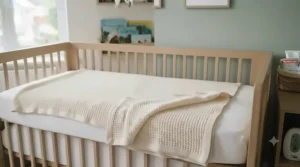
Somewhere in the newborn haze of nappy changes and feeds, most new parents end up staring at a nursery drawer full of soft, folded cotton squares and open-weave blankets, wondering which one actually belongs in the cot tonight. A cellular blanket is a lightweight, breathable baby blanket knitted with a grid of small open holes, usually in 100% cotton, designed to trap a layer of insulating air while still allowing air to circulate; a muslin blanket is a finer, loosely woven cotton (or bamboo-cotton) square, traditionally used for swaddling, burping and general everyday cover, with a softer drape but a less structured, more open weave. Both are marketed as breathable, both are genuinely useful, and both come up constantly in UK parenting forums and safer sleep guidance, but they aren’t interchangeable for every job, and getting the choice right matters more than a simple style preference.

That last point is worth taking seriously rather than glossing over. According to the Lullaby Trust’s safer sleep overview, a baby’s cot should contain only a firm, flat mattress and lightweight bedding, with anything soft or loose removed because it can cover the face and obstruct breathing. Blanket choice sits right at the centre of that advice, which is exactly why this guide spends as much time on how each blanket type is actually used safely as it does on which one to buy. Below are seven real, currently available cellular and muslin blankets on amazon.co.uk, chosen for genuine breathability, real specifications, and aggregated verified-buyer feedback, followed by a proper side-by-side look at how cellular and muslin fabric actually differ once you look past the marketing.
A quick, necessary note before diving in: this article contains affiliate links, and as an Amazon Associate we may earn from qualifying purchases, at no extra cost to you. Nothing here replaces official safer sleep guidance from the Lullaby Trust or NHS, and if you’re ever unsure how to use bedding safely for your baby’s age and stage, those sources — plus your health visitor — are the right place to check.
Quick Comparison Table
| Model | Type | Size | Best For | Price Range |
|---|---|---|---|---|
| Clair de Lune Soft Cotton Cellular Pram Blanket | Cellular | 70 x 90cm | Pram, car seat and Moses basket use | £6-£12 range |
| DUDU N GIRLIE Cotton Cellular Blanket | Cellular | 100 x 150cm | Cot and cot bed coverage | £10-£16 range |
| Clair de Lune Cellular Blanket Multipack | Cellular | 70 x 90cm (pack of 3) | Households wanting spares for washing rotation | £18-£28 range |
| Lullalove Bamboo-Cotton Cellular Blanket | Cellular | 75 x 100cm | Extra breathability in warmer rooms | £20-£30 range |
| Clair de Lune Organic Cotton Cellular Blanket | Cellular | 70 x 90cm | Parents prioritising certified organic cotton | £18-£25 range |
| aden + anais Essentials Cotton Muslin Squares (5 Pack) | Muslin | 60 x 60cm | Burping, mess, daytime multi-use | £15-£22 range |
| aden + anais Cotton Muslin Swaddle (2 Pack) | Muslin | 120 x 120cm | Swaddling and larger daytime cover | £20-£28 range |
Looking at the spread, the split between cellular and muslin here isn’t accidental — five of the seven are cellular blankets, because that’s the format most consistently recommended for actual cot and pram use in UK safer sleep guidance, while the two muslin entries reflect just how genuinely useful muslin is for everything else: burping, swaddling under supervision, and daytime layering. Best cellular blanket shortlists from most UK nursery brands tend to agree that 100% cotton with a genuine open cellular weave, rather than a tightly knitted “cellular-style” fabric, offers the most reliable breathability, which is the thread running through every product below.
💬 Just one click — help others make better buying decisions too!😊
Top 7 Cellular and Muslin Blankets: Expert Analysis
Choosing between these seven comes down to weighing where and how the blanket will actually be used — cot, pram, swaddle or burp cloth — so here’s the honest breakdown, grounded in real specifications and aggregated verified-buyer sentiment rather than any invented hands-on claims of our own.
1. Clair de Lune Soft Cotton Cellular Pram Blanket — best pram-size starter blanket
Clair de Lune earns its spot at the budget end through decades of UK nursery-brand credibility and a genuinely practical size: 70 x 90cm, sized specifically for Moses baskets, prams, cribs and car seats rather than a full cot. The 100% cotton cellular weave is the whole story here — its grid of small open cells traps a thin layer of air for warmth while still allowing airflow through the fabric, which is precisely the mechanism that makes cellular blankets a consistently recommended lightweight bedding option. Based on the spec comparison with heavier woven blankets, this genuinely earns the “breathable” label rather than just claiming it, and being produced in OEKO-TEX certified factories adds a verifiable safety and chemical-testing standard behind the fabric. What most first-time buyers overlook is that a pram-sized cellular blanket like this one won’t cover a full cot bed as a baby grows, so it’s best thought of as a newborn-stage purchase to be supplemented later. Aggregated review sentiment consistently flags good value and suitability for swaddling as the standout strengths, alongside some feedback that the texture is functional rather than plush.
Pros:
✅ Genuinely open cellular weave for real airflow, not just marketing language
✅ OEKO-TEX certified manufacturing for verified safety standards
✅ Sized specifically for prams, car seats and Moses baskets
Cons:
❌ Too small to serve as a full cot bed cover as your baby grows
❌ Texture is more functional than plush compared with pricier alternatives
At around £6-£12, it’s one of the most accessible ways to start building a cellular blanket multipack rotation without a big initial outlay.

2. DUDU N GIRLIE Cotton Cellular Blanket, Cot Bed Size — best for full cot and cot bed coverage
This one earns its place by solving the sizing gap the pram-sized option above leaves behind: at 100 x 150cm, it’s genuinely large enough to cover a cot or cot bed as your baby transitions out of a Moses basket. Based on the spec comparison with smaller cellular blankets, the larger surface area doesn’t come at the cost of breathability — the cellular weave construction remains consistent across the fabric, meaning the same airflow principle applies regardless of overall size. One verified buyer specifically noted that the visible holes in the weave feel reassuring precisely because they reduce the risk if the blanket were to end up near a baby’s face, which reflects the core safety logic behind why cellular fabric is favoured over solid, tightly woven alternatives. What most buyers overlook about larger cellular blankets is that the extra size also means more folding options — doubled over for extra warmth on colder nights, single-layer for milder ones — without needing to buy a second, thicker blanket. Aggregated review sentiment is mixed on finish consistency, with some buyers noting occasional loose threads on arrival, though most describe the blanket as good value and functionally sound after washing.
Pros:
✅ Full cot and cot bed coverage rather than pram-only sizing
✅ Same breathable cellular construction scaled up without compromise
✅ Can be folded for adjustable warmth across seasons
Cons:
❌ Some buyers report inconsistent finishing quality on arrival
❌ Larger size takes up more space in a washing and drying rotation
Typically priced at £10-£16, it remains a budget-friendly way to cover a full cot bed once your baby outgrows pram-sized bedding.
3. Clair de Lune Cellular Blanket, Pack of 3 — best value multipack for a washing rotation
Multipacks earn their place in any newborn bedding guide for one simple reason: babies go through blankets fast, between spit-up, leaks and general daily wear, and having spares on hand means never scrambling mid-wash-cycle. This Clair de Lune multipack bundles three of the same trusted 70 x 90cm cellular blanket at a meaningful saving over buying individually, in a choice of blue, grey, pink or white. Based on the spec comparison with buying single blankets repeatedly, a cellular blanket multipack like this works out considerably more cost-effective per blanket, while guaranteeing consistent sizing and weave across every one in rotation — a genuine convenience when layering blankets for extra warmth, since mismatched weaves can behave differently under a doubled fold. What most new parents underestimate before their first newborn is just how often bedding needs washing in the early months; having three in consistent rotation, rather than one or two, meaningfully reduces the pressure to do emergency laundry loads. Aggregated buyer sentiment across Clair de Lune’s multipack range consistently highlights softness retention after repeated washing as a key strength.
Pros:
✅ Three identical blankets ensure consistent weave and warmth when layered
✅ Genuine cost saving over buying single blankets repeatedly
✅ Softness holds up well across repeated machine washing
Cons:
❌ Limited to the smaller 70 x 90cm pram-oriented size
❌ Colour choice is more limited than buying single blankets individually
At £18-£28 for the full pack, it works out as one of the more sensible ways to build a genuine rotation without overspending on a single premium blanket.
4. Lullalove Bamboo-Cotton Cellular Blanket — best for extra breathability in warmer rooms
Lullalove earns a distinct spot on this list by blending bamboo viscose with cotton in its cellular weave, aiming specifically at buyers whose priority is maximum breathability during warmer months or in rooms that run hot. Based on the spec comparison with 100% cotton cellular blankets, the bamboo blend is marketed for its natural thermoregulating properties, helping moisture move away from the fabric surface more readily than cotton alone — a genuinely relevant feature given that overheating, not cold, is the safer sleep risk parents are most consistently advised to guard against. The brand specifically positions lighter cellular blankets in its range as suitable for spring and summer use, with thicker folded layering reserved for cooler months rather than a separate heavy blanket altogether. What most buyers overlook about bamboo-blend baby bedding is that it typically costs more per blanket than plain cotton, and the practical breathability benefit is most noticeable in genuinely warm rooms — in a well-regulated 16-20°C nursery, the difference versus a well-made cotton cellular blanket is likely to be marginal night to night.
Pros:
✅ Bamboo-cotton blend offers genuine moisture-wicking properties
✅ Purpose-marketed for warmer rooms and summer use
✅ Same open cellular weave principle as cotton alternatives
Cons:
❌ Costs more per blanket than plain cotton cellular options
❌ Breathability advantage is most noticeable specifically in warm conditions
Priced around £20-£30, it’s a considered mid-tier choice for parents specifically prioritising natural fibre blends over standard cotton.
5. Clair de Lune Organic Cotton Cellular Blanket — best for certified organic cotton
This blanket earns its premium positioning through certification rather than marketing language alone: it’s made from GOTS-certified organic cotton, meaning the growing and manufacturing process has been independently verified against recognised organic textile standards, on top of the OEKO-TEX certification shared across Clair de Lune’s wider cellular range. Based on the spec comparison with standard cotton cellular blankets, the weave construction and breathability principle remain identical — this is fundamentally the same trusted cellular design, with the raw material sourcing upgraded rather than the core function changed. What most buyers overlook about organic cotton nursery bedding is that the practical, in-use benefit (softness, breathability, warmth) is very similar to well-made standard cotton; the meaningful difference lies in sourcing transparency and reduced chemical exposure during growing and processing, which matters more to some parents than others. It also arrives in a giftable box, making it a popular baby shower or newborn gift choice alongside its everyday use. Aggregated buyer sentiment for Clair de Lune’s organic range consistently highlights the certification and presentation as key purchase drivers.
Pros:
✅ GOTS-certified organic cotton with verified sourcing standards
✅ Same trusted cellular weave and OEKO-TEX safety certification
✅ Giftable presentation suits baby shower and newborn gifting
Cons:
❌ Costs meaningfully more than standard cotton cellular alternatives
❌ Functional in-use difference versus standard cotton is modest
At £18-£25, it commands a premium over standard cotton, justified primarily by certified sourcing rather than a dramatically different in-use experience.
6. aden + anais Essentials Cotton Muslin Squares, 5 Pack — best muslin multipack for everyday use
aden + anais essentially built the modern muslin category’s UK popularity, and this five-pack earns its spot by covering the sheer range of jobs a good muslin actually does: burp cloth, makeshift bib, changing mat cover, and a soft layer for tummy time, all in 100% cotton muslin measuring 60 x 60cm. Based on the spec comparison with thicker toweling alternatives, the loosely woven, open weave fabric breathability is the defining feature of muslin generally — it’s a finer, more open construction than cellular knit, which makes it excellent at absorbing spit-up and drool quickly while drying fast between uses. What most parents overlook when first buying muslins is just how many they’ll realistically get through in the newborn months; a five-pack, rather than two or three, tends to match real-world laundry frequency far better once feeding and spit-up are in full swing. It’s worth being clear that this pack is designed and marketed for daytime, supervised multi-use rather than as a cot sleep blanket, which matters when thinking about where each type belongs in your routine. Aggregated review sentiment consistently praises softness that improves with washing, alongside occasional complaints about excessive packaging tags on arrival.
Pros:
✅ Genuinely multi-use: burping, bibs, changing mats and more
✅ Open muslin weave absorbs spills and dries quickly
✅ Five-pack matches realistic newborn laundry frequency
Cons:
❌ Designed for daytime multi-use rather than cot sleep bedding
❌ Some buyers report excessive plastic packaging tags on arrival
Typically priced at £15-£22 for the pack, it’s a genuine newborn essential most parents end up buying in some form regardless of brand.
7. aden + anais Cotton Muslin Swaddle, 2 Pack — best larger muslin for swaddling and daytime cover
This larger 120 x 120cm muslin swaddle earns its place by scaling up everything that makes muslin useful into a size genuinely suited to swaddling a newborn, rather than just mopping up mess. Based on the spec comparison with smaller muslin squares, the larger surface area gives enough fabric to wrap securely around a newborn’s body using standard swaddling technique, while the same open, breathable weave reduces the overheating risk that denser swaddle fabrics can carry. It doubles just as effectively as a pram cover, a light throw for tummy time, or a sun-shade layer over a pram hood on a bright day, which is precisely the versatility that’s made this format a long-running favourite among UK parents. What most buyers overlook about oversized muslins is that the extra fabric, while useful for daytime cover, isn’t a substitute for a cot blanket at bedtime — swaddling itself carries its own safety guidance around timing and technique that’s worth checking with your health visitor as your baby grows and starts trying to roll. Aggregated buyer sentiment consistently highlights the fabric’s softening with each wash and its usefulness well beyond the newborn stage as key strengths.
Pros:
✅ Large enough size genuinely suited to secure newborn swaddling
✅ Doubles as pram cover, sun shade and tummy time throw
✅ Open weave keeps swaddled babies from overheating as readily as denser fabric
Cons:
❌ Not designed as a standalone cot sleep blanket
❌ Premium pricing compared with smaller, more basic muslin squares
At £20-£28 for the pair, it’s a worthwhile mid-tier purchase for parents planning to swaddle, with genuine versatility that extends well past the newborn stage.
Using a Cellular or Muslin Blanket Safely in the Cot
Getting a cellular or muslin blanket into cot use safely comes down to a handful of consistent habits rather than the blanket brand itself. The Lullaby Trust and NHS both recommend the “feet to foot” position — lying your baby with their feet at the very bottom of the cot or Moses basket — with any blanket tucked in firmly under the arms and no higher than shoulder height, so it can’t work loose and cover your baby’s face during the night. It’s worth remembering that a single blanket folded over counts as two layers for warmth purposes, which matters when judging how many layers are appropriate for the room temperature. A room thermometer, rather than guesswork, is the most reliable way to judge whether a lightweight single blanket or an extra folded layer is appropriate, with 16-20°C being the room temperature range consistently recommended by UK safer sleep guidance.
Which Blanket Type Actually Suits Which Situation: Real-World Scenarios
If you’re a newborn parent building a first nursery kit from scratch, a pram-sized cellular blanket like the Clair de Lune paired with a five-pack of muslin squares covers the overwhelming majority of early situations — cot and pram warmth from the cellular blanket, everyday mess management from the muslins. If you’re expecting a summer baby and know your nursery tends to run warm, a bamboo-cotton cellular option like the Lullalove, used as a single lightweight layer rather than folded double, genuinely suits that specific situation better than a standard cotton blanket folded for extra warmth would in winter. And if you’re planning to swaddle in the early weeks, a larger muslin swaddle earns its place specifically for that job, while a cellular blanket remains the better choice once your baby has transitioned into the cot proper, since cellular fabric’s structure holds its shape and tucks in more predictably than a looser muslin weave.
Common Blanket Problems and Solutions
A blanket that won’t stay tucked in through the night is the most common frustration reported by parents, and the fix is almost always technique rather than the blanket itself — tucking firmly under both sides of the mattress, not just laying the blanket loosely on top, keeps it anchored far more effectively. Overheating concerns are the second common worry, and the practical solution is checking your baby’s chest or the back of their neck (never hands or feet, which are normally cooler) rather than guessing, removing a layer if they feel hot or clammy. Blankets that feel scratchy or stiff after repeated washing usually respond well to reducing detergent quantity and skipping fabric softener, which can coat cellular and muslin fibres and reduce their natural breathability over time. Finally, parents often ask when a comfort muslin is safe for unsupervised sleep; general guidance suggests waiting until around 12 months, when suffocation risk from soft, loose items has reduced significantly, and using a small, purpose-designed comforter rather than a full-sized blanket or muslin square for that purpose.

Best Cellular Blanket: How to Choose
- Check for a genuinely open weave, not just a decorative pattern. A best cellular blanket search should prioritise visible, structural holes throughout the fabric, since that’s what actually creates the airflow the format is known for.
- Match the size to its intended use. Pram and Moses basket blankets around 70 x 90cm suit newborns; cot and cot bed use needs something closer to 100 x 150cm.
- Consider fabric blend alongside weave. 100% cotton suits most situations; bamboo-cotton blends offer extra breathability specifically in warmer rooms.
- Look for recognised certifications. OEKO-TEX indicates chemical safety testing; GOTS indicates certified organic sourcing — both are meaningful, verifiable standards rather than marketing claims.
- Think about your washing rotation honestly. A single blanket rarely survives newborn life; a multipack of two or three is almost always the more practical starting point.
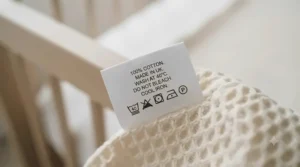
- Check manufacturer washing guidance before buying. Most cellular blankets tolerate 40°C machine washing, but always confirm before adding fabric softener or higher temperatures.
- Read aggregated review sentiment for finishing consistency specifically, since loose threads and inconsistent stitching are among the most common quality complaints across budget cellular ranges.
Common Mistakes When Buying a Cellular Blanket Multipack
The most frequent mistake is buying a cellular blanket multipack sized only for the newborn pram stage, then discovering it doesn’t stretch to cover a full cot bed once your baby grows — checking intended use (pram versus cot) before purchase avoids this entirely. The second common error is assuming all “cellular-style” blankets offer equivalent breathability regardless of price; genuinely open, structural weaves perform differently to tightly knitted fabric with a cellular-look surface pattern, so it’s worth checking product descriptions and photos closely rather than assuming based on appearance alone. Third, some buyers overlook washing capacity when choosing a multipack size — two blankets can mean scrambling mid-week if one is in the wash, while three or more better matches realistic newborn laundry frequency. Finally, it’s easy to overlook colour and pattern consistency across a multipack when buying for a shared nursery or twins, so checking whether the pack offers matching or mixed colourways before purchase avoids an unwelcome surprise on arrival.
Cellular Blanket vs Muslin Blanket: Detailed Comparison
This is the core comparison this guide exists to answer, so here it is plainly. A cellular blanket vs muslin blanket decision really comes down to structure and intended use rather than one being universally “better” than the other. Cellular blankets use a knitted grid of small, structural holes that hold their shape well, tuck in predictably, and are specifically designed and widely recommended as cot and pram bedding, since their consistent structure makes the “feet to foot,” firmly-tucked safer sleep technique easier to achieve reliably. Muslin blankets use a finer, looser plain weave that drapes more softly and is more absorbent, making it the better choice for swaddling, burping, and general daytime multi-use, but its looser structure means it holds a firm tuck less predictably than a cellular weave once a baby starts moving around in the cot. In practice, most UK parents end up owning both: cellular blankets for cot and pram sleep, muslins for everything else. Neither fabric type is inherently unsafe when used appropriately and in line with current safer sleep guidance; the risk factors safer sleep advice focuses on — loose bedding, overheating, blankets positioned above shoulder height — apply to both fabric types equally, and depend far more on how a blanket is used than which weave it happens to be.
What to Expect: Real-World Breathability and Warmth Performance
Cellular blankets behave fairly predictably across the range tested here: single-layer use suits milder rooms, while folding one blanket double provides a noticeably warmer layer for cooler nights, without needing to buy a separate heavier blanket. Muslin fabric, by contrast, offers less structural warmth per layer but dries faster and absorbs moisture more readily, which is why it performs better as a burp cloth or swaddle than as primary cot bedding on its own. Bamboo-cotton blends, like the Lullalove option, show their real-world advantage most clearly in genuinely warm rooms above 20°C, where the moisture-wicking property has more actual moisture to manage; in a well-regulated cooler nursery, the practical difference versus quality cotton is considerably smaller than marketing language sometimes implies.
Features That Actually Matter (And Those That Don’t)
A genuinely open, structural weave matters enormously for breathability; a decorative surface pattern that merely looks cellular matters far less, regardless of how the listing describes it. Recognised certifications like OEKO-TEX and GOTS matter for verified safety and sourcing standards; vague marketing terms like “premium” or “luxury” matter considerably less without a certification behind them. Size matched to intended use matters more than most first-time buyers expect, since a beautiful blanket that’s the wrong size for its job (too small for the cot, too large and unwieldy for swaddling) creates more hassle than it solves. Fabric blend matters specifically in warm rooms; in a well-regulated 16-20°C nursery, the difference between good-quality cotton and bamboo-cotton blends is genuinely modest.
Long-Term Value and Durability of Cotton Cellular Blankets
Cotton cellular blankets are generally among the more durable nursery textiles, provided they’re washed according to manufacturer guidance rather than at high heat with fabric softener, which can gradually stiffen fibres and reduce the open weave’s natural airflow over time. Most well-made cotton cellular blankets on this list can be expected to hold their shape and softness through one to two years of regular washing, often outlasting the newborn stage entirely and continuing life as a car or pram blanket, a picnic throw, or general household use well into toddlerhood. Organic and bamboo-blend options tend to carry a higher upfront price but don’t necessarily outlast standard cotton in practical terms — the value proposition there lies more in sourcing and breathability than extended lifespan. Muslin squares, by contrast, are typically replaced more frequently given their heavier daily use as burp cloths and mess-management tools, meaning ongoing multipack purchases are a realistic and expected part of newborn budgeting rather than a one-off cost.
Lullaby Trust Safe Sleep Guidelines: What They Say About Blankets
The Lullaby Trust’s core safer sleep recommendations are built around what they describe as the ABC of safer sleep: babies should sleep Alone in their own clear sleep space, always on their Back, in a cot or Moses basket kept genuinely Clear of anything soft or loose. Within that framework, blankets specifically should be lightweight, tucked in firmly no higher than shoulder height, and used in the “feet to foot” position so a baby can’t wriggle down and become covered. The Lullaby Trust is also explicit that weighted blankets, swaddles and sleeping bags are not recommended for babies under one year, due to overheating risk and the potential to restrict breathing by pressing on a baby’s chest — a detail worth checking if you’re ever tempted by weighted nursery products marketed for calming sleep. Room temperature guidance sits alongside blanket use in the same safer sleep recommendations: 16-20°C, monitored with a proper room thermometer rather than guesswork, since research consistently shows babies are safer being slightly cool than too warm. None of this guidance singles out cellular or muslin fabric as safer than the other in principle; both are considered acceptable lightweight bedding options when used correctly, which is precisely why this comparison has focused as much on technique as on fabric choice throughout.
Open Weave Fabric and Breathability: Why It Matters for Overheating Risk
It’s worth explaining plainly why “breathable” isn’t just marketing language in this category. Overheating is one of the most consistently cited risk factors in UK safer sleep guidance, and open weave fabric breathability is the practical mechanism by which cellular and muslin fabrics help manage that risk compared with denser, tightly woven alternatives. A structural grid of holes, or a loose plain weave in the case of muslin, allows warm, humid air near a baby’s skin to move away from the fabric surface rather than becoming trapped against it, which helps prevent the kind of localised heat build-up that solid, densely woven blankets are more prone to. This doesn’t mean open weave fabric makes overheating impossible — a cellular blanket folded several times over, in a warm room, can still trap significant heat, and the “one blanket folded counts as two” principle applies regardless of how breathable the underlying fabric is. What it does mean is that, layer for layer, open weave fabrics give parents more margin for error than denser alternatives, which is a genuinely meaningful practical advantage on top of simple comfort.
✨ Don’t Miss These Exclusive Deals!
🔍 Ready to Build Your Nursery Bedding Rotation?Take your nursery essentials to the next level with blankets genuinely matched to how you’ll actually use them. Click on any highlighted model above to check current pricing and availability. These blankets will help create a comfortable, breathable sleep environment for your baby, night and day.
Frequently Asked Questions
❓ Is a cellular blanket or muslin blanket better for a newborn?
❓ What temperature should my baby's room be for safer sleep?
❓ How many blankets does my baby actually need in the cot?
❓ Can a baby sleep with a muslin comforter?
❓ How do I know if my baby is too hot under a blanket?
Conclusion
Choosing between a cellular blanket vs muslin blanket really isn’t an either-or decision for most UK households — it’s about matching each fabric’s genuine strengths to the right job. Budget cellular picks like the Clair de Lune pram blanket and DUDU N GIRLIE cot-size option cover the essentials of structured, breathable cot and pram bedding affordably. A multipack, whether cellular for the cot or muslin for daytime mess management, tends to match real newborn laundry demands far better than buying single items repeatedly. At the more considered end, bamboo-cotton and certified organic cellular options add genuine breathability or sourcing benefits for parents who value them, without changing the fundamental safety principles at play. Whichever fabric you reach for tonight, the same fundamentals matter most: lightweight layers, firm tucking below shoulder height, feet-to-foot positioning, and a room kept between 16-20°C. For the full, authoritative detail behind all of this guidance, the Lullaby Trust’s safer sleep advice remains the definitive UK resource worth bookmarking.
Recommended for You
- Best Pram Blanket and Footmuff Set: 7 Top UK Picks (2026)
- Best Knitted Moses Basket Blanket UK 2026: 7 Expert Picks Reviewed
- Best Moses Basket Blanket and Sheet Sets UK 2026: 7 Expert Picks
Disclaimer: This article contains affiliate links. As an Amazon Associate, I earn from qualifying purchases. If you purchase products through these links, we may earn a small commission at no additional cost to you. This article is not medical advice; always follow official safer sleep guidance from the Lullaby Trust, NHS, and your health visitor.
✨ Found this helpful? Share it with your friends! 💬🤗
