

In This Article
Somewhere between the twelfth “is she too hot?” and the third 2am dash to feel the back of a tiny neck, most new parents realise nobody actually explained tog ratings to them properly. It’s on every label, it’s in every forum thread, and it’s genuinely important — but almost nobody breaks down what it means for the actual blanket sitting folded at the end of the cot.
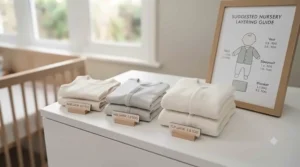
A cot blanket tog rating guide, in plain terms, tells you how much thermal insulation a piece of bedding provides, so you can match it to your baby’s room temperature rather than guessing. Higher tog means warmer; lower tog means cooler. It sounds simple, and mostly it is — the complexity creeps in when you’re comparing a fleece cot blanket against a cellular cotton one, or trying to work out whether “seasonal” on the packaging actually means anything specific for the UK climate.
We’ve researched real products sold on amazon.co.uk, cross-checked seasonal tog guidance against NCT and Lullaby Trust safer sleep information, and pulled together honest, sourced advice rather than recycled listing copy. One important note before we go further: current UK safer sleep guidance from the Lullaby Trust and NCT does not recommend loose blankets in the cot for babies under 12 months, favouring a well-fitted sleep bag instead — we’ll explain exactly where that leaves cot blankets, cot bed blankets, and nursery thermometers in your actual buying decision.
Quick Comparison Table
| Product | Category | Price Range | Best For |
|---|---|---|---|
| Tommee Tippee GroEgg2 | Nursery thermometer | £15-£25 range | Colour-coded temperature checks |
| PurFlo Starlight Thermometer | Nursery thermometer | Under £20 | Budget rechargeable option |
| Clair de Lune Cellular Cot Blanket | Cellular cot blanket | Under £15 | Breathable, all-season layering |
| Clair de Lune Star Fleece Wrap | Fleece cot blanket | £15-£25 range | Best cot blanket for winter |
| aden + anais Muslin Dream Blanket | Muslin cot blanket | £15-£25 range | Lightweight, warmer-room use |
| Silentnight Safe Nights 4 Tog Duvet Set | Cot bed blanket (duvet) | £15-£30 range | Toddler bed, 12 months and older |
| The Gro Company Grobag | Baby sleep bag (multi-tog) | £15-£30 range | Safer sleep alternative to loose blankets |
The honest starting point of this table is that “best” depends heavily on your baby’s age and the room they sleep in. For anyone under 12 months, the Lullaby Trust’s guidance on room temperature and safer sleep points toward a well-fitted sleep bag over loose bedding, which is why the Grobag sits on this list alongside the more traditional blankets. Once a child moves to a toddler or cot bed, options like the Silentnight Safe Nights 4 Tog Duvet Set become appropriate. Nursery thermometers, meanwhile, are relevant at every stage — you genuinely can’t judge “16-20°C” by feel alone with any reliability.
💬 Just one click — help others make better buying decisions too!😊
Top 7 Products: Expert Analysis
1. Tommee Tippee GroEgg2 — colour-coded temperature at a glance
Checking a nursery thermometer at 3am with the lights off is exactly the situation the Tommee Tippee GroEgg2 is built for. Rather than requiring you to squint at small numbers, its silicone dome glows a different colour depending on the room temperature: blue for cold, yellow for the recommended range, orange for warm, and red for hot, alongside a permanently lit digital readout for a precise number.
What most first-time parents overlook about colour-coded thermometers is that they remove interpretation entirely — you don’t need to remember that “16-20°C is fine,” because the yellow glow tells you instantly, even half-asleep. Reviewers consistently report finding the soft nightlight function genuinely useful during night feeds and nappy changes, since it avoids flicking on a harsh overhead light that can fully wake a settling baby. A minority of reviews mention the display brightness can’t be dimmed independently of the mood light, which some find a touch bright in a very dark room.
This suits parents who want reassurance without needing to interpret numbers correctly at 3am, and it pairs naturally with any tog-rated bedding on this list, since the colour system loosely mirrors the tog bands used on most UK baby sleepwear packaging.
Pros:
- ✅ Colour-coded display removes guesswork instantly
- ✅ Doubles as a gentle, adjustable nightlight
- ✅ USB rechargeable, no ongoing battery cost
Cons:
- ❌ Display brightness isn’t independently dimmable
- ❌ Pricier than basic digital-only thermometers
Typically priced in the £15-£25 range, it sits mid-market against basic digital thermometers, and the nightlight function arguably justifies the difference for parents doing frequent night checks.
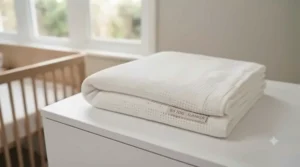
2. PurFlo Starlight Colour Changing Baby Room Thermometer— budget-friendly and rechargeable
The PurFlo Starlight follows a similar colour-changing concept to the GroEgg2 but at a generally lower price point, offering a USB-rechargeable, portable design that works equally well on a shelf, windowsill, or travel cot.
Here’s the practical distinction worth flagging: portability is the Starlight’s real advantage over dome-shaped fixed thermometers. Because it isn’t tethered to a permanent nursery spot, reviewers frequently mention using it in a travel cot at grandparents’ houses or on holiday, which matters more than it sounds — room temperature genuinely varies enormously between a modern, well-insulated house and an older building or holiday let, and guessing wrong in an unfamiliar room is a common source of parental anxiety.
This is a strong pick for parents wanting reliable temperature monitoring without paying a premium for extra nightlight features, and particularly for those who travel with their baby regularly and need one thermometer that moves easily between rooms.
Pros:
- ✅ Portable design suits travel cots and holidays
- ✅ USB rechargeable with no batteries needed
- ✅ Lower price point than premium alternatives
Cons:
- ❌ Less elaborate nightlight function than GroEgg2
- ❌ Colour bands may need checking against the manual initially
Usually under £20, this is one of the more accessible entry points into reliable digital room monitoring, and it covers the core “safer sleep guidelines NCT” recommendation of using a room thermometer without a large outlay.
3. Clair de Lune Soft Cotton Cellular Cot Blanket — breathable, all-season layering
The Clair de Lune Soft Cotton Cellular Cot Blanket is built around the classic “cell” weave — small, visible holes woven through 100% cotton fabric, at a generous 150 x 100cm sized to fit cots, cot beds, and toddler beds. It’s produced in an OEKO-TEX certified factory, meaning it’s tested against a defined list of harmful substances.
What most buyers overlook about cellular construction is that the holes aren’t just decorative — they genuinely improve airflow, which is why cellular blankets have long been a hospital and nursery staple. Based on the spec comparison with solid-knit blankets, this breathability makes cellular cotton one of the more forgiving fabric choices for layering, since it traps some warmth without the denser heat retention of fleece. It’s worth noting that Clair de Lune, like most cellular blanket makers, doesn’t publish an official tog rating for this style — reviewers commonly describe it as “on the thin side” used alone, suggesting it’s best treated as a light single layer rather than assumed to match any specific tog figure.
This is well suited to parents wanting a genuinely multi-season basic — light enough for warmer months, layerable for cooler ones — and it’s a sensible choice for anyone who’s followed Lullaby Trust guidance and moved to using it loosely folded, tucked in no higher than shoulder height, once their baby is developmentally ready for that setup.
Pros:
- ✅ Breathable cellular weave suits warm and cool rooms
- ✅ OEKO-TEX certified 100% cotton construction
- ✅ Generously sized at 150 x 100cm
Cons:
- ❌ No official tog rating published by the manufacturer
- ❌ Some reviewers find it thin as a sole layer
At under £15, it’s one of the most affordable genuinely well-made options here, and its long-standing popularity as a nursery basic reflects consistently positive aggregated review sentiment around softness and washability.
4. Clair de Lune Star Fleece Baby Wrap Blanket — the best cot blanket for winter contenders
When searches turn to the best cot blanket for winter, fleece is usually what people picture, and the Clair de Lune Star Fleece Baby Wrap Blanket is a genuine, branded example rather than a generic import. It’s designed for the 6-12 months age bracket specifically, in a soft fleece fabric intended for wrapping or layering during colder months.
The honest analytical point here is about density rather than marketing claims: fleece traps air within its fibres more effectively than a woven cellular cotton blanket, which is exactly why it reads as “warmer” to the touch and why it’s a genuinely reasonable pick for the coldest UK winter nights, provided room temperature and the child’s age and mobility make loose bedding appropriate in the first place. Reviewers frequently describe the fabric as noticeably plush and comment favourably on how well it holds its softness after repeated washing, a common weak point in cheaper fleece blankets that tend to pill quickly.
This suits parents specifically shopping the “fleece cot blanket” or “best cot blanket for winter” categories for an older baby or toddler who has moved past the loose-bedding caution period, and it works well as a pram or car seat layer too, not just inside the cot.
Pros:
- ✅ Genuinely warm fleece suited to UK winter rooms
- ✅ Holds softness well after repeated machine washing
- ✅ Age-specific 6-12 months sizing and design
Cons:
- ❌ Too warm for use in well-heated rooms without checking baby regularly
- ❌ Not suitable as loose bedding for under-12s per current guidance
Priced in the £15-£25 range, it sits toward the mid-market, and the branded quality control (versus unbranded fleece alternatives) is frequently cited in reviews as the reason buyers choose it over cheaper unbranded options.
5. aden + anais 100% Cotton Muslin Dream Blanket — light layering for warmer rooms
The aden + anais 100% Cotton Muslin Dream Blanket takes the opposite approach to fleece entirely. Made from four layers of breathable cotton muslin at a generous 120 x 120cm, it’s designed to be light, soft, and genuinely multi-purpose — usable as a light cot layer, pram cover, or tummy-time mat.
What’s worth flagging honestly here is that, like the Clair de Lune cellular blanket, aden + anais doesn’t publish an official tog figure for this style of blanket. Community and reviewer estimates in customer Q&A sections tend to place breathable muslin layers of this kind at roughly 0.5 tog when doubled, though this isn’t a lab-tested figure and shouldn’t be treated as precise. Based on the spec comparison with heavier fleece, its clear strength is versatility rather than raw warmth — the four-layer muslin construction genuinely does add some insulation over a single-layer swaddle cloth while remaining light enough for warmer rooms.
This is a strong pick for parents in the 20-24°C “warm” Lullaby Trust temperature band, or for anyone wanting one blanket that pulls double duty between the cot, the pram, and the changing mat, rather than buying separate items for each.
Pros:
- ✅ Four-layer muslin balances softness and light warmth
- ✅ Multi-purpose — cot, pram, and tummy time
- ✅ Large 120 x 120cm size grows with the child
Cons:
- ❌ No official manufacturer tog rating for this style
- ❌ Less warmth than fleece for genuinely cold rooms
Typically in the £15-£25 bracket, it’s mid-range for muslin bedding, and the brand’s long-standing reputation in the “coffee lover gift amazon”-style gifting space (aden + anais blankets are a frequent baby shower present) reflects genuinely strong aggregated review sentiment on softness specifically.
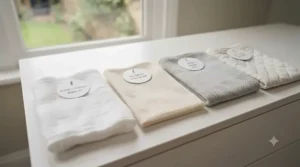
6. Silentnight Safe Nights 4 Tog Cot Bed Duvet & Pillow Set — for toddler beds, not cots
This is the point in the guide where the safety framing matters most, so let’s be direct: the Silentnight Safe Nights 4 Tog Cot Bed Duvet & Pillow Set is designed and marketed for toddlers in a cot bed or junior bed, not for babies under 12 months in a standard cot. Current NHS and Lullaby Trust guidance is clear that pillows and duvets should stay out of a baby’s sleep space entirely until at least their first birthday, due to suffocation risk.
With that context established, what the product itself offers is a genuinely well-reviewed anti-allergy junior bedding set at a moderate 4 tog rating — described by Silentnight as suited to typical UK bedroom temperatures across most of the year, similar to the “4-5 tog for summer use” band referenced in general UK duvet tog guidance. Reviewers consistently describe the fill as offering good warmth without excessive bulk, and the hypoallergenic filling is a sensible default for a toddler’s bedding given how frequently it needs washing.
This suits parents actively transitioning a child from cot to cot bed or toddler bed, generally from around 12 months onward, and specifically once a child can move freely, sit up, and reposition bedding themselves — the developmental markers the Lullaby Trust and NHS both reference before loose bedding becomes appropriate.
Pros:
- ✅ Anti-allergy filling suits sensitive skin
- ✅ Genuinely moderate 4 tog warmth, not overly bulky
- ✅ Machine washable and quick-drying for frequent laundering
Cons:
- ❌ Not appropriate for babies under 12 months in a cot
- ❌ Pillow included may be unnecessary for younger toddlers
Sitting in the £15-£30 range for the set, it’s competitively priced against comparable anti-allergy toddler bedding, and the brand recognition of Silentnight adds a layer of buying confidence over unbranded alternatives in the same category.
7. The Gro Company Grobag — the safer sleep alternative worth knowing about
No honest cot blanket tog rating guide is complete without mentioning the product the Lullaby Trust actually recommends over loose blankets for babies under 12 months: The Gro Company Grobag, a wearable baby sleeping bag available across multiple tog ratings (typically 0.5, 1.0, and 2.5 tog) to match different room temperature bands.
The Grobag deserves its place here because it solves the exact problem this whole guide is built around — matching thermal insulation to room temperature — while sidestepping the head-covering and kicking-off risks associated with loose cot blankets in young babies. It meets the British Safety Standard for baby sleeping bags (BS EN 16781:2018), and reviewers consistently highlight how much easier night checks become once you’re not repeatedly re-tucking a blanket that’s slipped or been kicked off.
This is genuinely the strongest recommendation on this list for anyone shopping specifically for a baby under 12 months, and it works alongside — not instead of — a nursery thermometer, since choosing the right tog Grobag still depends on knowing the room’s actual temperature.
Pros:
- ✅ Meets British Safety Standard BS EN 16781:2018
- ✅ Multiple tog options for different room temperatures
- ✅ Removes re-tucking and head-covering risks of loose blankets
Cons:
- ❌ Requires buying the correct tog for the season/room
- ❌ Sizing is by weight, not age, so needs checking carefully
At £15-£30 depending on tog and size, it represents strong value against the peace of mind it provides, and it’s frequently the first “proper” nursery purchase experienced parents recommend to those expecting their first child.
Full Product Comparison
| Product | Category | Approx. Tog | Age Suitability | Best For |
|---|---|---|---|---|
| Tommee Tippee GroEgg2 | Thermometer | N/A | All ages | Colour-coded night checks |
| PurFlo Starlight Thermometer | Thermometer | N/A | All ages | Budget, portable monitoring |
| Clair de Lune Cellular Cot Blanket | Blanket | Not officially rated | Per Lullaby Trust guidance | Breathable layering |
| Clair de Lune Star Fleece Wrap | Blanket | Not officially rated | 6-12 months (per product) | Best cot blanket for winter |
| aden + anais Muslin Dream Blanket | Blanket | Not officially rated | Per Lullaby Trust guidance | Light, multi-purpose layering |
| Silentnight Safe Nights 4 Tog Duvet Set | Cot bed duvet | 4 tog | 12 months+, cot bed/toddler bed | Toddler transition bedding |
| The Gro Company Grobag | Sleep bag | 0.5 / 1.0 / 2.5 tog | Under 12 months (by weight) | Safer sleep alternative |
The pattern across this table is genuinely important, not just a formatting exercise: loose blankets in this category mostly don’t carry an official, lab-tested tog figure the way sleep bags and duvets do, because they’re not sold with the same age-specific safety framework behind them. That’s precisely why current guidance steers younger babies toward tog-rated sleep bags like the Grobag, while blankets and cellular layers become more appropriate as a child gets older and more mobile, and duvets only enter the picture at the cot-bed stage.
✨ Don’t Miss These Exclusive Deals!
🔍 Take your nursery essentials shopping further with these genuinely researched picks. Click through to check current pricing and availability, and build a sleep setup that’s both cosy and properly matched to your baby’s room.
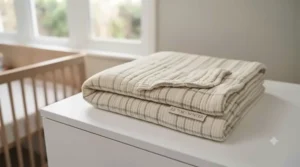
Benefits vs Traditional Bedding Approaches
| Approach | Overheating Risk | Ease of Use | Guidance Alignment |
|---|---|---|---|
| Tog-rated sleep bag | Low, when matched correctly | High — no re-tucking needed | Strongly aligned (Lullaby Trust recommended) |
| Loose cot blanket (under 12 months) | Higher — can cover face if displaced | Medium — needs regular re-tucking | Caution advised by NCT/Lullaby Trust |
| Multiple layered blankets | Higher still — hard to judge combined tog | Low — bulky, easily displaced | Not generally recommended |
| Room thermometer + any bedding | N/A (monitoring tool) | High — removes guesswork | Actively recommended alongside any option |
This comparison isn’t about scaremongering — plenty of generations of babies have slept under loosely tucked blankets — but it does reflect where current UK safer sleep evidence has settled. A tog-rated sleep bag paired with a nursery thermometer is the combination most consistently recommended by both the NCT and the Lullaby Trust for the first year, with loose blankets becoming a more straightforward option once a baby moves into a toddler or cot bed setup.
Practical Usage Guide: Setting Up Nursery Bedding Correctly
Getting the bedding side of a nursery right isn’t complicated, but a few small habits make a genuine difference to both safety and your own peace of mind.
First, place the nursery thermometer at cot height, not on a high shelf — room temperature can vary by a couple of degrees between floor and ceiling, and cot height gives the most representative reading for where your baby is actually sleeping.
Second, if you are using a loose blanket once your baby’s age and mobility make that appropriate, tuck it in firmly no higher than shoulder height, with your baby’s feet at the foot of the cot (the “feet to foot” position widely recommended by UK safer sleep guidance) — this stops them wriggling down under the blanket during the night.
Third, remember that a single blanket folded double effectively counts as two blankets for warmth purposes, which is an easy detail to overlook when you’re trying to add “just a bit more” warmth on a cold night. Adjust clothing layers instead of adding folded blankets where possible.
Finally, check your baby’s chest or the back of their neck (not their hands or feet, which are naturally cooler) to judge whether they’re too warm, and adjust bedding or clothing accordingly rather than relying purely on the tog number, since every baby runs slightly differently.
Real-World Scenario: Matching Bedding to Life Stage
Picture three different nurseries this winter, because the right bedding genuinely depends on where a baby is in their development.
First, there’s the newborn in a room that runs a little cool in January. For them, a correctly weight-matched Grobag at 2.5 tog, checked against a Tommee Tippee GroEgg2 or PurFlo Starlight thermometer, covers the situation safely without any loose bedding at all.
Second, there’s the 8-month-old who’s rolling confidently but not yet walking, in a warmer, well-insulated modern flat. Here, a lighter approach — perhaps the aden + anais Muslin Dream Blanket as a light single layer, still following current guidance around tucking and positioning — pairs with a lower-tog sleep bag option depending on room reading.
Third, there’s the 18-month-old who’s just transitioned into a proper cot bed. For them, the Silentnight Safe Nights 4 Tog Duvet Set becomes a genuinely appropriate, comfortable option, especially paired with the Clair de Lune Star Fleece Wrap as a lap blanket for pram trips through the coldest months.
Matching the product to the stage, rather than buying the “best-reviewed” item regardless of age suitability, is the single biggest factor in getting this category right.
How to Choose a Cot Blanket or Sleep Bag by Tog Rating
- Check your baby’s age and mobility first. This determines whether loose bedding is appropriate at all, ahead of any tog consideration.
- Measure your actual room temperature. Don’t estimate — a nursery thermometer removes the single biggest source of error in this whole process.
- Match tog to the seasonal chart, not the calendar month. A mild October evening and a genuinely cold one need different togs, regardless of what the date says.
- Consider fabric type alongside tog. Fleece and wool trap heat differently to woven cotton even at similar weights, so “warmer to the touch” isn’t always a reliable proxy for tog.
- Remember doubled blankets count twice. Factor this in before assuming you need a higher-tog single item.
- Check the manufacturer’s specific age guidance. Products like the Silentnight duvet set are explicitly for toddler/cot beds, not younger cots.
- Re-check as your baby grows. Weight-based sleep bag sizing and seasonal room temperature both change, so what worked in November may need revisiting by February.
Common Mistakes When Buying Cot Bedding
The most common mistake is treating “tog rating” as if every product in the category has one. As covered above, many cellular and muslin cot blankets simply don’t carry an official tog figure, while sleep bags and duvets generally do — buyers searching purely by tog number can accidentally overlook genuinely good blankets that are rated differently (or not at all) by design.
The second common mistake is buying based on age in months alone, ignoring the room’s actual temperature. A baby in a warm, modern new-build flat and one in a draughty Victorian terrace at the same age may need noticeably different togs to sit in the same comfortable range.
Third, people sometimes forget to reassess bedding seasonally. A 2.5 tog Grobag that was perfect in a chilly November nursery may be too warm once the central heating kicks in properly, or once spring arrives — this is exactly why a nursery thermometer earns its place as a genuine long-term purchase, not a one-off gadget.
Finally, it’s worth checking current pricing before committing, since baby bedding pricing on Amazon shifts around seasonal demand spikes, particularly heading into autumn and winter.

Seasonal Tog Rating Chart
| Room Temperature | Recommended Tog (sleep bags) | Typical UK Season |
|---|---|---|
| 24-27°C | 0.5 tog | Hot summer weather |
| 20-24°C | 1.0 tog | Warmer months / well-heated rooms |
| 16-20°C | 2.5 tog | Standard year-round recommended range |
| Below 16°C | Additional clothing layer + check heating | Rare in a well-set-up UK nursery |
This chart reflects the sleep bag tog guidance referenced by the NCT and drawn from NHS Start for Life recommendations, and it’s worth stressing that it applies specifically to tog-rated sleep bags rather than untested cellular or muslin blankets, which — as covered in the product reviews above — mostly don’t carry an equivalent official figure. For the most current and detailed version of this guidance, the NCT’s sleep safety and co-sleeping information is a genuinely thorough, regularly updated resource worth bookmarking.
Features That Actually Matter (And Those That Don’t)
An accurate, easy-to-read nursery thermometer matters enormously — arguably more than any single piece of bedding, since it’s the tool that tells you whether your current setup is even appropriate. Correct weight-based sizing on a sleep bag matters too, since a bag that’s too loose around the neck and shoulders defeats its own safety purpose.
What matters less than marketing suggests: elaborate character prints and colour schemes on cot blankets add nothing to thermal performance, however lovely they look in nursery photos. Similarly, “luxury” branding on basic cellular blankets doesn’t necessarily correlate with better breathability — the weave construction itself is the actual driver of performance, and several budget cellular blankets perform comparably to premium ones on that specific measure.
Long-Term Cost & Maintenance
A quality nursery thermometer is genuinely a buy-once item that serves a family through multiple children and years, provided it survives the inevitable knocks of nursery life — most rechargeable models cost pennies a year to run compared with disposable batteries. Sleep bags, by contrast, are an ongoing cost as your baby grows through weight bands roughly every few months in the first year, which is worth budgeting for rather than treating as a single purchase.
Blankets and duvets sit somewhere in between — a well-made cellular or fleece blanket from a reputable brand like Clair de Lune genuinely can last from newborn through toddlerhood with reasonable care, while cot bed duvets like the Silentnight Safe Nights set are typically a slightly later, one-off purchase once a child transitions beds. As the NHS’s information on Sudden Infant Death Syndrome makes clear, the ongoing “cost” that matters most in this category isn’t really financial — it’s the consistent, correct use of age-appropriate bedding throughout the early months.
What to Expect: Real-World Performance
On paper, the difference between a 1.0 tog and a 2.5 tog sleep bag might look marginal — one extra layer of insulation, a slightly thicker fill. In practice, what parents typically notice first isn’t a dramatic temperature swing, it’s how settled their baby seems overnight. A correctly tog-matched bag tends to mean fewer overnight wake-ups from being too hot or cold, and noticeably less need for repeated re-tucking checks compared with loose bedding.
For understanding exactly what “tog” measures technically, the underlying Wikipedia entry on the tog unit is a genuinely clear, well-sourced explanation of how the measurement was developed and how it’s calculated — useful background if you want to understand why, for instance, a doubled blanket effectively doubles its tog value rather than just feeling “a bit warmer.”
Safer Sleep Guidelines: What NCT and the Lullaby Trust Actually Recommend
This section deserves its own space because it’s the part of the guide that matters most. Current UK guidance, reflected consistently across NCT and Lullaby Trust materials, recommends keeping a baby’s room between 16-20°C, using a room thermometer for accuracy rather than relying on feel, and favouring a well-fitted, correctly tog-rated sleep bag over loose blankets, pillows, or duvets for babies under 12 months.
Where a blanket is used with a younger baby, guidance is specific: it should be tucked in no higher than shoulder height, with baby positioned feet-to-foot in the cot, and never doubled without accounting for the effective doubling of warmth that creates. Hats should be removed indoors, since babies lose a significant amount of heat through their heads, and overheating (rather than being too cold) is the factor most consistently linked to increased SIDS risk in current research.
None of this is intended to cause alarm — it’s simply the clearest, most current picture available, and it’s exactly why products like tog-rated sleep bags and reliable nursery thermometers earn a genuine place in this guide rather than being treated as optional extras. For the fullest and most current version of this guidance, always refer directly to the NCT’s sleep safety information rather than relying solely on product packaging.
FAQ
❓ What tog rating should a baby blanket be in winter?
❓ Are loose blankets safe for a newborn's cot?
❓ Do fleece cot blankets have an official tog rating?
❓ Why do I need a nursery room thermometer if I can feel the room?
❓ When can a baby start using a cot bed duvet?
Conclusion
A genuinely useful cot blanket tog rating guide has to do more than repeat a chart — it needs to be honest about which products actually carry a tested tog figure, and which don’t. Across the seven real products covered here, the clearest overall picture is this: for babies under 12 months, a correctly weight- and tog-matched Grobag paired with a reliable thermometer like the Tommee Tippee GroEgg2 or PurFlo Starlight aligns most closely with current NCT and Lullaby Trust guidance. Blankets like the Clair de Lune Cellular Cot Blanket, Clair de Lune Star Fleece Wrap, and aden + anais Muslin Dream Blanket all have a genuine place in a nursery, provided they’re used in line with that same safer sleep guidance around age, positioning, and tucking. Once a child transitions to a cot bed, typically from around 12 months, options like the Silentnight Safe Nights 4 Tog Duvet Set become straightforwardly appropriate.
As ever, check current pricing before buying, since seasonal demand shifts prices across this category, and always weigh manufacturer age guidance alongside the general advice in this piece — every baby, and every nursery, runs a little differently.
Recommended for You
- Best Cot Blanket 2026: 7 Safe, Cosy Picks & Buying Guide
- Personalised Nursery Blanket Guide 2026: 7 Real Favourites
- Breathable Baby Blanket: 7 Safer Picks for 2026 Nights
Disclaimer: This article contains affiliate links. As an Amazon Associate, I earn from qualifying purchases. If you purchase products through these links, we may earn a small commission at no additional cost to you.
✨ Found this helpful? Share it with your friends! 💬🤗
