

In This Article
There’s a very particular kind of 3am parenting panic that goes something like this: is my baby too hot, too cold, or just right? A cotton cellular blanket exists precisely to end that panic. Named after the open “cells” woven into the fabric, a cotton cellular blanket is a lightweight, breathable cover made from natural fibres, designed to trap a thin layer of air so baby stays warm without overheating — which is exactly why midwives and health visitors across the UK reach for one before almost anything else in the cot.
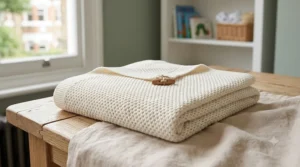
Not all cellular blankets are created equal, though. Some are chunky and coarse enough to double as an oven glove; others are so thin they’re basically decorative. Spend five minutes scrolling Amazon UK’s baby aisle and you’ll meet a wall of near-identical white rectangles, all claiming to be the softest, safest, most breathable option on the market. Somebody’s fibbing, and it’s rarely obvious who.
This guide cuts through that noise. We’ve dug into real product specifications and genuine aggregated customer feedback to work out which cotton cellular blanket actually earns its spot in the changing bag, and which is just a cotton square with a good marketing department behind it. Whether you’re after a GOTS certified organic pick for a newborn with sensitive skin, or a no-nonsense machine washable multipack you can throw in with the weekly wash, you’ll find honest, source-backed analysis here — not a rewritten Amazon listing.
We’ve covered seven real, currently available products spanning budget, mid-range and premium price points, alongside the safety context you actually need. Per NHS guidance on safer infant sleep, a cellular cotton blanket is specifically recommended over thicker bedding because its open weave allows airflow even if it ends up bunched near your baby’s face — a small design detail that does a lot of heavy lifting for peace of mind.
Quick Comparison Table
Before the deep dive, here’s the shorthand version for anyone reading this one-handed with a baby on the other arm.
| Product | Best For | Price Range | Key Certification |
|---|---|---|---|
| Bloomsbury Mill Cellular Blanket Pack of 2 | Premium organic pick | £20-£30 range | GOTS certified organic cotton |
| Silentnight Safe Nights Cellular Blanket 2-Pack | Trusted all-rounder | £14-£22 range | OEKO-TEX certified |
| Clair de Lune Pram & Travel Blanket (100x150cm) | Larger cot bed coverage | £12-£20 range | OEKO-TEX certified |
| Noble & Brite Cotton Cellular Twin Pack | Budget newborn pick | Under £15 | Standard 100% cotton |
| LAWKUL Knitted Cellular Blanket | Distinctive knit texture | Under £12 | Standard 100% cotton |
| DUDU N GIRLIE Cot Bed Blanket | Budget large-size option | Under £15 | Standard 100% cotton |
| Clair de Lune Cellular Shawl (70x90cm) | Newborn swaddling & travel | £10-£16 range | OEKO-TEX certified |
Looking at the spread, there’s a clear pattern: certification and pack size, not raw fabric weight, are what separate the £10 blankets from the £25 ones. The Bloomsbury Mill sits at the top on the strength of its GOTS paperwork rather than any dramatic difference in how it feels against the skin, while the Silentnight and Clair de Lune options earn their mid-table price through brand trust and OEKO-TEX assurance. Budget picks like Noble & Brite and LAWKUL aren’t inferior so much as unverified on the certification front — which matters more to some parents than others.
💬 Just one click — help others make better buying decisions too!😊
Top 7 Cotton Cellular Blankets: Expert Analysis
1. Bloomsbury Mill Cellular Blanket Pack of 2 — GOTS certified organic pick
Bloomsbury Mill’s pack of two goes further than almost anything else on this list by using fully GOTS certified organic cotton rather than standard cotton, which changes the calculus for parents worried about pesticide residue or chemical processing near a newborn’s skin. The 75x95cm size sits neatly between a Moses basket blanket and a full cot cover, and the cellular weave does the usual job of trapping air for temperature regulation without the bulk of a fleece throw. On paper, the organic certification means every stage from farming to dyeing has been independently audited, which is a meaningfully higher bar than the OEKO-TEX finished-product testing most competitors rely on.
This is the pick for parents who’ve already decided organic matters to them, or who have a family history of skin sensitivities and want one less variable to worry about. Based on the aggregated sentiment for this listing, buyers consistently describe the blankets as well-made and soft, with the fabric reportedly holding up through repeated washes rather than thinning out — a common failure point for cheaper knitted cellular blankets. The pack-of-two format also means there’s always a spare while one’s in the wash, which honestly matters more than most spec sheets let on.
Pros:
- ✅ Genuine GOTS certified organic cotton, audited farm to finish
- ✅ Reviewers report it stays soft and holds shape after washing
- ✅ Award-winning UK nursery specialist behind the brand
Cons:
- ❌ Sits at the premium end versus standard-cotton alternatives
- ❌ Limited to neutral cream colourway in the core listing
Expect to pay in the £20-£30 range for the pack, and at that price it’s arguably the strongest value case on this list once you factor in what organic certification actually costs to achieve.

2. Silentnight Safe Nights Cellular Blanket 2-Pack — trusted brand, award-winning range
Silentnight has been making UK bedding for over 75 years, and the Safe Nights range is where that experience shows up most clearly for new parents. This 100% cotton cellular blanket is produced in an OEKO-TEX certified factory, meaning the finished fabric has been independently tested against a long list of harmful substances rather than just marketed as “safe.” The open cell weave performs the standard trick of trapping warm air while letting excess heat escape, and the pack of two covers you for Moses basket, cot, pram and car seat use without buying four separate products.
What most buyers overlook about this model is that Silentnight’s decades of bedding manufacturing translate into more consistent stitching density than some newer entrants, which is part of why the blanket reportedly keeps its shape wash after wash rather than stretching out of true. Reviewers describe the cotton as gentle against the skin and the blanket as striking a good balance between warmth and breathability for everyday use in the crib, pram or Moses basket. It isn’t marketed as supersoft — and honestly, no cellular weave really is — but the aggregated sentiment suggests it delivers exactly what a traditional cellular blanket promises without any unpleasant surprises.
Pros:
- ✅ OEKO-TEX certified factory production
- ✅ Reviewers report the fabric holds its shape after washing
- ✅ Versatile across cot, pram, Moses basket and car seat use
Cons:
- ❌ Texture is traditional cellular knit, not plush or fleecy
- ❌ Standard cotton rather than organic-certified fibre
Typically priced in the £14-£22 range for the two-pack, this is the safe, sensible middle-ground pick for parents who want a name they recognise on the label.
3. Clair de Lune Pram & Travel Extra Soft Cotton Cellular Baby Blanket (100x150cm) — best for larger cot beds
Clair de Lune has been crafting nursery bedding in a Manchester factory for over 80 years, and this particular blanket stands out for its generous 100x150cm size — noticeably larger than most cellular blankets on the market, which tend to hover around 70x90cm. That extra fabric matters in practice: it’s big enough to snugly cover a cot or cot bed rather than just a Moses basket, and it gives you plenty of spare material to tuck firmly under the mattress, which the NHS specifically recommends to stop loose bedding working its way up towards a baby’s face during the night. It’s produced in OEKO-TEX certified factories, which covers the chemical safety side of things.
Based on the spec comparison with smaller cellular blankets, this is the better buy for parents planning to use one blanket from newborn well into the toddler years, rather than upgrading sizes every few months. Aggregated reviewer feedback is genuinely mixed on softness — some buyers find the knitted cotton exactly as soft as they’d expect, while others expected something closer to fleece and were disappointed. That’s less a manufacturing flaw and more a mismatch of expectations, since a true cellular weave is inherently a bit textured rather than plush. Reviewers do consistently rate it as breathable and appropriately lightweight so baby doesn’t overheat.
Pros:
- ✅ Generously sized at 100x150cm for cot bed coverage
- ✅ OEKO-TEX certified, UK-manufactured in Manchester
- ✅ Extra fabric for secure mattress tucking
Cons:
- ❌ Reviewer opinion is split on softness versus fleece alternatives
- ❌ Larger size less practical for a small Moses basket
Prices typically sit in the £12-£20 range depending on colour and pack size, and it’s worth the extra couple of pounds over the smaller shawl if you want one blanket to last the whole first year.
4. Noble & Brite Cotton Cellular Baby Blankets Twin Pack (90x60cm) — best budget newborn pick
Noble & Brite’s twin pack is aimed squarely at parents who want a genuine 100% cotton cellular blanket without paying premium-brand prices. At 90x60cm it’s sized for a Moses basket, pram or car seat rather than a full cot, which makes sense for the newborn stage this product is positioned for. The eco-friendly finish is quick-drying and can go through a standard wash cycle with a low tumble dry, and the brand is upfront that the fabric softens with repeated washing rather than arriving at peak softness out of the packet.
What the spec sheet won’t tell you, but reviewer feedback does, is that this blanket splits opinion on first impressions. Several buyers describe it as good value and genuinely lovely quality that “washes lovely,” while at least one review flags an initially abrasive texture reminiscent of over-washed towelling. Read together, the honest takeaway is that this is a decent budget cellular blanket that improves with use — reasonable if you’re stocking a hospital bag or nursery on a tight budget, less ideal if you want something that feels premium from the first wash.
Pros:
- ✅ Genuine budget price point for a twin pack
- ✅ Softens noticeably after a few washes, per reviewer feedback
- ✅ Compact size suits Moses basket and pram use
Cons:
- ❌ Some reviewers report an abrasive texture before washing
- ❌ Smaller size limits use once baby outgrows the Moses basket
Expect to pay under £15 for the pair, making it one of the most accessible entry points on this list for parents assembling a newborn essentials kit.
5. LAWKUL Cellular Blanket Baby 100% Cotton Knitted (100x80cm) — distinctive knit texture, budget price
The LAWKUL blanket takes a slightly different construction approach, using a knitted crochet-style cellular pattern rather than the tighter woven cell structure seen on brands like Clair de Lune. At 100x80cm it’s a reasonably generous size for the price point, and the visible knit pattern gives it a more textured, homespun look that some parents specifically seek out over the plainer waffle-style weave. It’s marketed simply as 100% cotton without a stated OEKO-TEX or GOTS certification, which is worth flagging honestly rather than glossing over.
Here’s what to weigh with this one: the knitted construction is genuinely eye-catching and the price is among the lowest on this list, but the open, looser stitch of a crochet-style cellular blanket can be more prone to snagging or loosening at the edges over time compared with a tighter woven cell. It’s a reasonable pick as a secondary or gift blanket rather than a daily-use item you’ll be laundering several times a week for a full year, simply because the construction hasn’t been stress-tested by a large volume of published reviews the way the bigger brands have.
Pros:
- ✅ Distinctive knitted cellular texture at a low price
- ✅ Reasonably generous 100x80cm size
- ✅ Lightweight and easy to pack for days out
Cons:
- ❌ No stated OEKO-TEX or GOTS certification
- ❌ Looser knit construction may snag more than woven alternatives
Typically available for under £12, this is best treated as a budget or backup blanket rather than your sole daily-use option.

6. DUDU N GIRLIE Cotton Cellular Blanket Cot Bed (100x150cm, Pink) — budget large-size alternative
DUDU N GIRLIE offers a lesser-known but genuinely useful alternative for parents who want the larger 100x150cm cot bed coverage without paying Clair de Lune’s price. It’s a straightforward 100% cotton cellular blanket available in gendered colourways including pink, aimed at nursery decor coordination as much as function. The core proposition here is size-for-price: matching the dimensions of a premium competitor at a noticeably lower cost.
Here’s what to weigh: as a smaller, less established brand, there’s a thinner published review history to draw honest conclusions from compared with household names like Silentnight or Clair de Lune, and the listing doesn’t detail independent certification such as OEKO-TEX. That’s not automatically a dealbreaker — plenty of smaller UK nursery brands manufacture to a similar standard without paying for the certification badge — but it does mean you’re taking slightly more on trust. For parents specifically prioritising a colour-matched, large-format blanket on a budget, it’s a reasonable option; for those who lean heavily on certification as a safety signal, one of the OEKO-TEX or GOTS-certified picks above will offer more documented reassurance.
Pros:
- ✅ Matches larger 100x150cm cot bed sizing at a lower price
- ✅ Colour-specific options for nursery coordination
- ✅ Genuine 100% cotton cellular construction
Cons:
- ❌ Thinner published review history than the bigger brands
- ❌ No stated independent safety certification on the listing
Priced under £15 in most cases, it’s worth considering if size and budget outrank certification on your personal priority list.
7. Clair de Lune Soft Cotton Cellular Shawl (70x90cm) — best for newborn swaddling and travel
The smaller sibling to Clair de Lune’s larger cot bed blanket, this 70x90cm shawl is sized specifically for Moses baskets, prams, cribs and car seats, which makes it a strong newborn-stage pick and a genuine hospital bag essential. It shares the same OEKO-TEX certified manufacturing as its larger counterpart, and the compact size makes it easy to use for swaddling in the early weeks when a full-size cot blanket would simply be too much fabric to manage.
Reviewer sentiment on this one is unusually detailed and, refreshingly, honest about its trade-offs. Many buyers say it’s a good size at a good price and specifically call out its usefulness for swaddling newborns and summer use. However, a meaningful share of reviews flag it as smaller and thinner than expected, with a few specifically noting it isn’t warm enough for colder nights without doubling up. Read together, the fair conclusion is that this shawl does its intended newborn-and-travel job well but isn’t designed to be a baby’s sole winter blanket as they grow — pair it with a second layer once the weather turns, exactly as NHS layering guidance recommends.
Pros:
- ✅ OEKO-TEX certified and ideally sized for newborn swaddling
- ✅ Reviewers specifically praise it for summer and hospital bag use
- ✅ Compact enough for car seat, Moses basket and pram
Cons:
- ❌ A notable share of reviewers find it too thin for colder nights
- ❌ Runs smaller than some buyers expect from photos alone
You’ll typically find it priced in the £10-£16 range, and it’s genuinely one of the best value newborn-specific picks here provided you treat it as a layering piece rather than a standalone winter blanket.
Practical Usage Guide: Getting the Most From Your Cotton Cellular Blanket
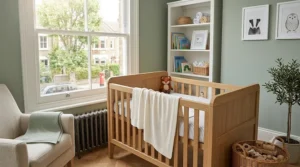
Buying the right blanket is only half the job; using it properly is where most of the actual safety value comes from. In the first 30 days, resist the urge to double or triple up blankets for extra warmth — a folded blanket counts as two layers, not one, and stacking several is one of the fastest routes to overheating, which NHS guidance identifies as a genuine risk factor for infants. Instead, use the “feet-to-foot” position: lie your baby with their feet at the base of the cot, then tuck the blanket in firmly no higher than shoulder height so it can’t work loose and ride up over the face.
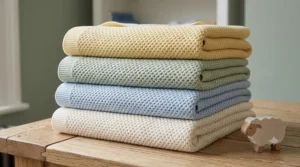
For first use, always wash a new cotton cellular blanket before it touches your baby’s skin, even if the packaging looks pristine — this removes any residual finishing chemicals from manufacturing and, as several reviewers noted above, genuinely improves softness. A gentle 30-40°C wash with a non-biological detergent is the standard advice for newborn fabrics, since biological detergents can be harsher on sensitive skin. Machine dry on low or air dry flat rather than high-heat tumble drying, which can shrink and stiffen cellular weaves over time.
A common mistake in the first month is buying only one blanket and washing it constantly, which accelerates wear and leaves you without cover mid-cycle. Two to three blankets in rotation is a realistic minimum, which is exactly why most of the products above come as multipacks. Finally, check the room temperature rather than relying on the blanket alone: a comfortable 16-20°C room paired with a single cellular blanket is generally all a healthy newborn needs.
Real-World Scenarios: Which Cotton Cellular Blanket Suits Your Family?
Picture a first-time parent packing a hospital bag six weeks before their due date. Budget is tight after nursery furniture costs, and they need something small enough for a Moses basket that won’t be wasted once baby’s home. The Noble & Brite twin pack or the Clair de Lune shawl both fit this brief neatly — compact, inexpensive, and specifically reviewed as reliable for newborn swaddling.
Now picture parents of twins, doing double the laundry with half the sleep. Durability and machine-washability under heavy rotation matter more here than softness scores, which points toward the Silentnight Safe Nights pack, given its reviewer-reported consistency through repeated washing and its brand-backed manufacturing standards.
Finally, consider a family with a history of eczema or skin sensitivity in the household, who’ve decided organic and hypoallergenic fabric is worth paying extra for. The Bloomsbury Mill GOTS certified pick is the clear match: it’s the only product on this list with full farm-to-finish organic certification, which materially reduces the chemical residue a sensitive newborn’s skin comes into contact with, according to how GOTS certification is structured.
Problem → Solution: Fixing Common Cellular Blanket Issues
Problem: the blanket feels scratchy straight out of the packet. Solution: wash it before first use and again after two or three uses; cotton cellular weaves consistently soften with washing, as reviewers of the Noble & Brite and Silentnight products both confirmed.
Problem: baby keeps kicking the blanket off. Solution: switch to the feet-to-foot tucking method described above, or consider a lightweight baby sleeping bag as an alternative for restless sleepers, since a well-fitted sleeping bag can’t be kicked loose the way a blanket can.
Problem: the blanket seems too thin for winter. Solution: layer two cellular blankets rather than switching to a thick single blanket or duvet — remember that stacking counts as multiple layers for warmth purposes, and check your baby’s chest or neck (not hands or feet) to confirm they’re not too hot.
Problem: colours fade or fabric thins after repeated washing. Solution: wash at lower temperatures (30-40°C) and avoid high-heat tumble drying, which was the specific cause reviewers linked to premature wear on budget knitted options like LAWKUL.
Problem: unsure which size to buy. Solution: match the blanket to the sleep space, not the baby’s current size — a 70x90cm shawl for Moses basket and car seat, a 100x150cm blanket for cot and cot bed use through to toddlerhood.
How to Choose a Cotton Cellular Blanket
- Check the certification first. Look for OEKO-TEX as a baseline for chemical safety, or GOTS if organic sourcing matters to your family — these badges tell you far more than marketing copy ever will.
- Match the size to the sleep space. A 70x90cm shawl suits Moses baskets and car seats; a 100x150cm blanket suits cot beds and will last into toddlerhood.
- Buy in multiples, not singles. Two or three blankets in rotation means you’re never caught out mid-wash-cycle.
- Read the aggregated review themes, not just the star rating. Softness complaints often reflect mismatched expectations about cellular weave texture rather than genuine defects.
- Prioritise breathability over thickness. A genuinely open cell weave matters more for safer sleep than a thicker, cosier-looking fabric.
- Factor in washing instructions. Machine washable at 30-40°C with low-heat drying is the standard you want; anything requiring special care adds friction to daily use.
- Consider your budget realistically. A £12 twin pack and a £25 organic pack both do the fundamental job well; the difference is certification depth and fabric sourcing, not safety.
Common Mistakes When Buying a Cotton Cellular Blanket
The most frequent mistake is judging softness from product photos or marketing copy alone. As the reviewer sentiment across several products above shows, genuine cellular weave cotton has a distinct, slightly textured hand-feel that’s simply different from fleece — expecting fleece-level plushness and being disappointed isn’t a product fault, it’s a mismatched expectation.
A second common error is buying based on price alone without checking certification. The cheapest blanket on the page isn’t necessarily unsafe, but an OEKO-TEX or GOTS badge gives you independently verified assurance that an uncertified budget listing simply can’t match.
Parents also frequently underestimate how quickly babies outgrow a small 70x90cm shawl for cot use, ending up buying a second, larger blanket within months. Buying the larger size from the outset, or budgeting for both a newborn shawl and a cot-sized blanket together, avoids that duplicate spend.
Cotton Cellular Blanket vs Muslin and Fleece Blankets
Muslin cloths are thinner, more loosely woven, and dry faster than cellular cotton, making them excellent for burping, light swaddling and hot weather, but they generally offer less structured warmth for cot use overnight. A cotton cellular blanket sits a notch warmer thanks to its trapped-air cell structure, without the density of a fleece throw.
Fleece and chenille blankets, meanwhile, feel plush and cosy but trap heat far more aggressively and don’t offer the same airflow if they end up over a baby’s face — which is exactly why cellular cotton, not fleece, is the material The Lullaby Trust recommends for a baby’s clear sleep space. In practice, most families end up owning all three: muslins for daytime mess and light cover, cellular cotton for actual cot sleep, and a fleece throw reserved for supervised pram walks in genuinely cold weather rather than unsupervised sleep.
Breathable Baby Blankets: What to Expect in Real-World Performance
On the spec sheet, “breathable” just means air can move through the fabric. In practice, that translates to a baby who doesn’t wake up damp with sweat at the back of the neck, and a room where you don’t need to fight over whether the heating stays on overnight. Reviewers across the Silentnight and Clair de Lune products above specifically describe their blankets as keeping babies comfortable without overheating, which lines up with what an open cellular weave is engineered to do.
What most parents don’t realise until they’ve lived with one is that breathability also means faster drying after the inevitable milk spit-up or leaked nappy — a cellular weave dries noticeably quicker on the line than a dense knit or fleece equivalent, which matters more than it sounds like on a wash-heavy newborn schedule.
Machine Washable Baby Blankets: Long-Term Cost & Maintenance
Every product on this list is machine washable, which is table stakes for newborn bedding rather than a differentiator — but how well each one survives repeated washing genuinely varies. Based on the aggregated review themes, the Silentnight and Bloomsbury Mill options both hold their shape and softness well over time, while some knitted budget alternatives show earlier signs of thinning if washed on higher heat settings.
In terms of total cost of ownership, a £14 twin pack washed weekly for a year works out to roughly 27 pence per wash cycle before factoring in detergent and energy — genuinely negligible against the cost of formula, nappies or childcare. The more relevant long-term cost consideration is replacement frequency: a well-made blanket that survives 100+ washes without thinning is better value than a cheaper one you replace twice in the same period, even before accounting for the extra plastic packaging and shipping that duplicate purchases generate.
GOTS Certified Cotton & Hypoallergenic Baby Fabric: Features That Actually Matter
GOTS certification is worth understanding properly rather than treating as a vague eco-buzzword. Per the Global Organic Textile Standard’s own criteria, a genuinely GOTS certified textile must use organically farmed fibre, prohibit harmful chemical inputs at every processing stage, and undergo independent third-party auditing across the entire supply chain — not just a single factory inspection. That’s a meaningfully higher bar than a generic “organic cotton” claim with no verifiable licence number attached.
Hypoallergenic, by contrast, isn’t a regulated or independently certified term in the same way — it simply signals that a fabric is less likely to trigger allergic reactions, typically because it avoids synthetic fibres, harsh dyes and chemical finishes. Pure, undyed or lightly dyed 100% cotton is naturally a safer bet for sensitive skin than synthetic blends, which is exactly why every product on this list is cotton-based rather than polyester chenille. If a family history of eczema or skin allergies is a specific concern, pairing genuine GOTS certification with a hypoallergenic claim, as the Bloomsbury Mill pick does, gives you the most independently verifiable reassurance available in this category.
Soft Cotton Cellular Blanket for Newborn: Safety, Regulations & Compliance
For a newborn specifically, size and weight matter as much as softness. A 70x90cm shawl-style cellular blanket is the right starting point, sized for a Moses basket or car seat rather than a full cot, and light enough that it can’t meaningfully restrict movement or trap excess heat. As covered above, the Clair de Lune shawl and the Noble & Brite twin pack are both purpose-built for this newborn stage.
On the regulatory side, UK nursery textiles sold to consumers must meet general product safety requirements, and certifications like OEKO-TEX and GOTS sit on top of that baseline as voluntary but independently verified assurance. Safer sleep practice matters just as much as the product itself: the NHS advises using the feet-to-foot position and tucking bedding in no higher than shoulder height, specifically because loose bedding — regardless of how breathable it is — poses a greater risk if it isn’t secured properly. No cotton cellular blanket, however well-made, replaces following that guidance every single time your baby sleeps.

FAQ
❓ Is a cotton cellular blanket safe for a newborn to sleep with?
❓ What size cotton cellular blanket do I need for a Moses basket?
❓ Can you wash a cotton cellular blanket at 40 degrees?
❓ What's the difference between GOTS certified and OEKO-TEX certified cotton?
❓ How many cotton cellular blankets does a newborn actually need?
Conclusion
A cotton cellular blanket is one of those newborn essentials that looks deceptively simple until you actually start comparing options, at which point certification, sizing and honest review sentiment turn out to matter far more than the price tag alone suggests. If organic sourcing and hypoallergenic assurance are non-negotiable for your family, the Bloomsbury Mill GOTS certified pack earns its premium price. If you want a trusted, all-purpose middle-ground option, the Silentnight Safe Nights pack delivers consistent quality without any surprises. And if budget is genuinely tight in those first expensive newborn months, the Noble & Brite twin pack or the Clair de Lune shawl both do the fundamental job well.
Whichever you choose, remember that the blanket is only ever one part of a safer sleep setup — pairing it with correct room temperature, the feet-to-foot position and firm tucking matters just as much as the fabric itself. Get those basics right, and a well-chosen cotton cellular blanket really can turn that 3am temperature panic into an easy, five-second check.
✨ Ready to Choose Your Cotton Cellular Blanket?
🔍 Compare today’s prices on any of the seven picks above before they change, and grab the one that matches your budget, your baby’s sleep space, and your certification priorities. A few minutes of comparing now saves a wasted purchase later!
Recommended for You
- Cellular Blanket vs Muslin Blanket 2026: 7 Safer Picks
- 7 Best Pram Blanket for Winter 2026: Honest Buying Guide
- Best Pram Blanket and Footmuff Set: 7 Top UK Picks (2026)
Disclaimer: This article contains affiliate links. As an Amazon Associate, I earn from qualifying purchases. If you purchase products through these links, we may earn a small commission at no additional cost to you.
✨ Found this helpful? Share it with your friends! 💬🤗
